In brief
A sudden attack by an armed group on the village of Binnari in Taraba state left ten people dead, incited widespread panic and inflicted significant damage to local businesses and homes. Eyewitnesses report casualties may rise to as many as 50, while police have yet to fully account for all victims. Security officials managed to drive attackers from the scene, but the event underscores continuous threats faced by rural communities in Nigeria’s volatile north‑east, which complicates efforts to secure food supplies and preserve agricultural land. Local leaders call for impartial investigations, warning that unchecked violence undermines societal resilience in an already climate‑stressed region.
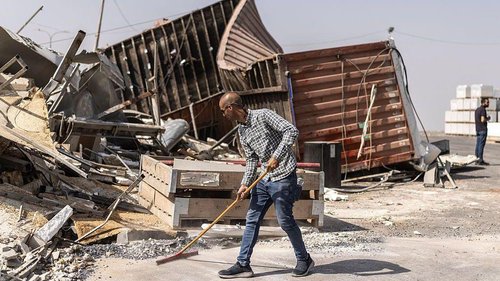
Gunmen ridden on motorcycles stormed Binnari village in Taraba state on Friday after midday prayers, killing at least ten residents and looting shops before firing up to four hours of destruction. Police recoveries include ten bodies with gunshot wounds, but eyewitness accounts suggest more than twenty people were killed, and a local NGO reports up to fifty fatalities.
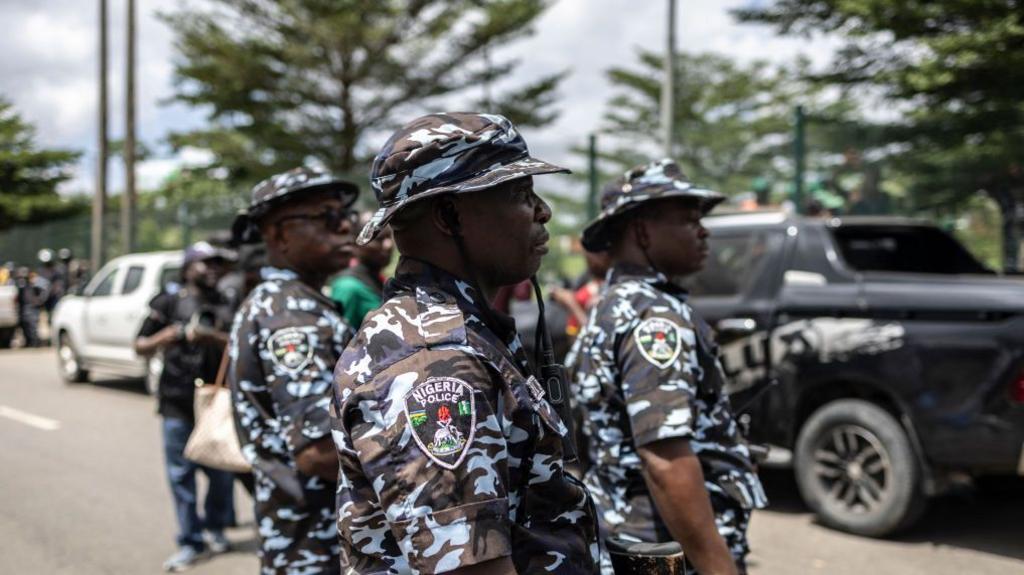
Police officers responded swiftly to a distress call, driving the attackers away, yet the assailants were said to have launched a terrifying patrol that lingered in the surrounding bush, leaving mobile phones and stolen motorbikes scattered among the ruins. Assistant Superintendent Victor Mshelizah explained that terrain familiarity largely prevented casualties on the police side during the confrontation.
The event follows two decades of armed insurgency in the north‑east, a region also grappling with jihadist movements and separatist unrest. The violent episode exemplifies how persistent insecurity hampers the community’s ability to secure food supplies, insure livelihoods and protect essential infrastructure in a climate‑changing world.
Community leader Malam Abubakar Saifullahi described attackers arriving on about fifty motorcycles, two riders each, who systematically plundered cash, food, and abandoned vehicles. The said looters also set several houses ablaze, further threatening local ecosystems and risking soil erosion from burned vegetation.
Amnesty International has criticized Nigerian authorities for their perceived failure to safeguard rural populations, citing the broader pattern of impunity that enables gunmen to commit atrocities continually. Director Isa Sanusi urges an impartial investigation and calls for accountability, noting that bereaved families still mourn missing relatives while initial funerals attracted over thirty‑seven mourners.
Survivors such as Binnari resident Isiyaku Musa recounted the chaos: a straight‑line rush to find safe space had left citizens without a clear refuge. Meanwhile, Saidu Nuhu shared that several persons remained missing, underscoring ongoing uncertainty about the true extent of loss.