In brief
With a waiver allowing HIV medication distribution, experts warn that longer-term bans could endanger millions reliant on PEPFAR funding.
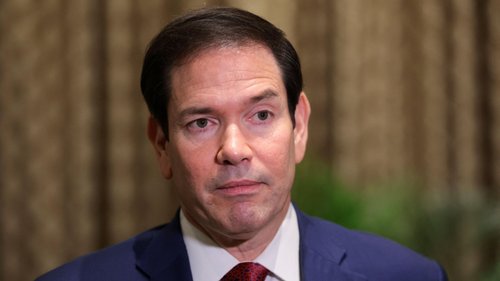
There has been some positive development in the ongoing battle against HIV, as the State Department recently granted a temporary waiver allowing the distribution of lifesaving HIV medications. This comes after a significant halt to the President’s Emergency Plan for AIDS Relief (PEPFAR), a program that has been crucial in combating HIV globally since its inception in 2003. Secretary of State Marco Rubio announced that while the waiver provides immediate relief, its impact on preventive measures and associated medical services remains uncertain.The continuity of the PEPFAR program is vital, as it affects over 20 million individuals primarily in low-income countries, including approximately 500,000 children. Experts caution that without this program, many could quickly return to grave circumstances akin to the early years of the pandemic. Dr. Steve Deeks, a prominent HIV researcher, emphasized the urgency of the situation, warning that capacities could return to alarming infection rates reminiscent of the 1980s.The Trump administration's initial decision to freeze distribution of HIV medications purchased with US aid raised immediate alarms among healthcare advocates and organizations. PEPFAR, with an annual budget of $7.5 billion, has been credited with saving more than 25 million lives and preventing over 5.5 million children from being born with HIV. However, the potential for future interruptions poses significant risks to this progress and could undo years of achievements in HIV prevention and treatment. In summary, while the temporary waiver offers a reprieve, the success of initiatives like PEPFAR hinges on securing uninterrupted funding and support to ensure the health and safety of vulnerable populations worldwide.