In brief
Israel's airstrike campaign in south Beirut persists amid renewed diplomatic efforts led by U.S. envoy Amos Hochstein to broker a cease-fire with Hezbollah, as both sides navigate complex demands and escalating violence.
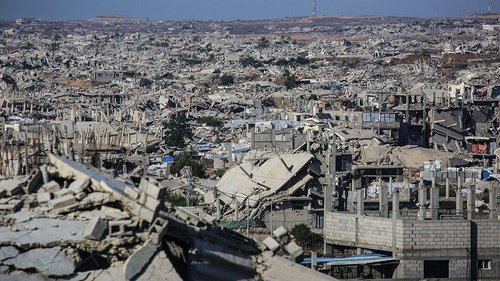
Israel resumed its air offensive in southern Beirut on Thursday while U.S. envoy Amos Hochstein was in Israel attempting to negotiate a cease-fire in the ongoing conflict with Hezbollah. Hochstein's visit coincided with a period of heightened military activities by Israel, including new evacuation orders for the Dahiya area—an area heavily controlled by Hezbollah—prior to a series of strikes aimed at the group's command center.Hochstein, a senior official in the Biden administration, completed discussions in Lebanon, claiming there had been “additional progress” toward ending the yearlong conflict that has led to over 3,500 deaths and significant displacement in Lebanon. After wrapping up talks with Lebanese officials, he was expected to meet with Prime Minister Benjamin Netanyahu to explore the terms of a potential truce. Israeli military actions have escalated recently, likely aimed at pressuring Hezbollah into a cease-fire agreement that would mutually align with their conditions. However, significant obstacles remain. Israeli demands that they reserve the right to respond militarily should Hezbollah breach the agreement have stirred concerns in both the Lebanese cabinet and Hezbollah regarding violations of national sovereignty.During Hochstein’s visit, Hezbollah's leader, Naim Qassem, indicated that the group had provided its feedback on the cease-fire proposal, emphasizing that future peace hinges on Israel's response and the seriousness of Netanyahu's negotiating intentions. Failure to reach an agreement could lead to a prolonged conflict, as Hezbollah, backed by Iran, has warned of readiness for an extended campaign.Since the conflict escalated in September, it has led to widespread devastation in Lebanon, marking the deadliest violence since the country’s civil war decades ago—a testament to the growing urgency for diplomatic solutions amid humanitarian crises.