In brief
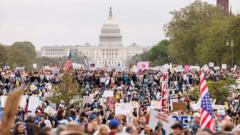
Thousands of protesters rallied in major cities across the U.S. on Saturday, expressing grievances against President Trump's administration. The "Hands Off" movement organized demonstrations at over 1,200 locations in all 50 states, with participants advocating for immigration rights, economic justice, and foreign policy changes.
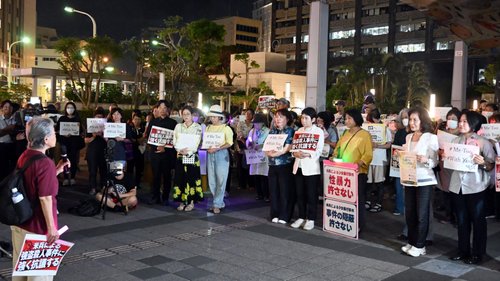
In a massive display of dissent, thousands of Americans flocked to the streets on Saturday, protesting against President Trump's policies. Dubbed the "Hands Off" protests, these rallies brought together citizens in over 1,200 locations across all 50 states, marking the largest coordinated effort of opposition since Trump took office in January. Major cities like Boston, Chicago, Los Angeles, New York, and Washington D.C. witnessed significant turnout as protesters voiced concerns over Trump's controversial agenda.The protests were fueled by recent announcements of sweeping tariffs on imports and ongoing immigration raids that have impacted students and families in the U.S. Demonstrators in Boston expressed outrage over the arrest of Turkish student Rumeysa Ozturk, reflecting a broader anxiety over the treatment of international students. Law student Katie Smith, who participated in the Boston protest, noted the urgency of the situation, stating, "You can stand up today or you can be taken later."Internationally, protests also erupted in cities such as London, Paris, and Berlin, further underscoring the global discontent with Trump’s foreign policies. Protesters in London held up signs criticizing Trump's actions, chanting messages against his administration's stance on foreign affairs, including his controversial remarks about Canada and Greenland.In Washington D.C., the protest featured speeches from Democratic lawmakers who emphasized the influence of wealthy donors like Elon Musk on the Trump administration. Florida Congressman Maxwell Frost characterized the event as a call to action against what he refers to as the "billionaire takeover of our government." He proclaimed, "When you steal from the people, expect the people to rise up. At the ballot box and in the streets."As protests unfolded, they also appeared to coincide with a challenging political landscape for the president. A recent poll highlighted that Trump’s approval ratings have trended downwards, with just 43% of Americans expressing satisfaction with his leadership — a stark decline from the 47% approval rate at his inauguration.Protesters voiced a range of issues from concerns about cuts to federal government services to apprehensions regarding retirement and education benefits. Theresa, a participant in the Washington protest, lamented, "We're losing our democratic rights," as she expressed her fears about prospective cuts directly affecting citizens.In contrast to the demonstrations, the White House defended Trump's policies, asserting his commitment to protecting essential benefits like Medicare. Trump's immigration advisor, Tom Homan, dismissed the protests, claiming they lacked significance and simply took up law enforcement resources. Throughout cities like St. Paul, Minnesota, symbolic acts such as flying an upside-down American flag reflected the distress among participants, encapsulating their sentiments of dissatisfaction. As thousands rallied nationwide, the scene voiced a collective demand for change, reiterating the urgent need for an inclusive dialogue on the future of America and its leadership.