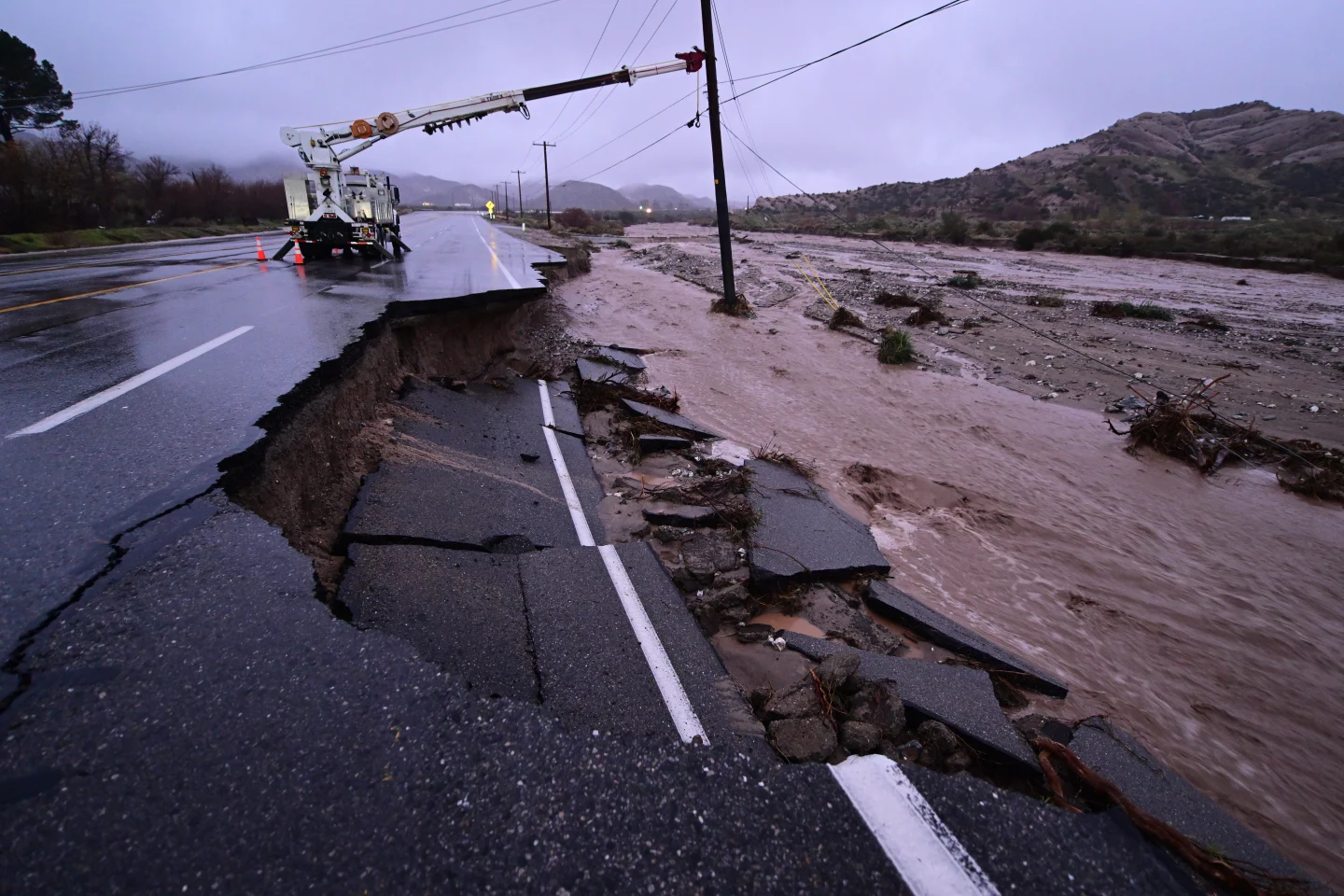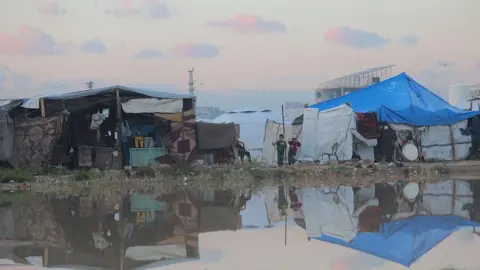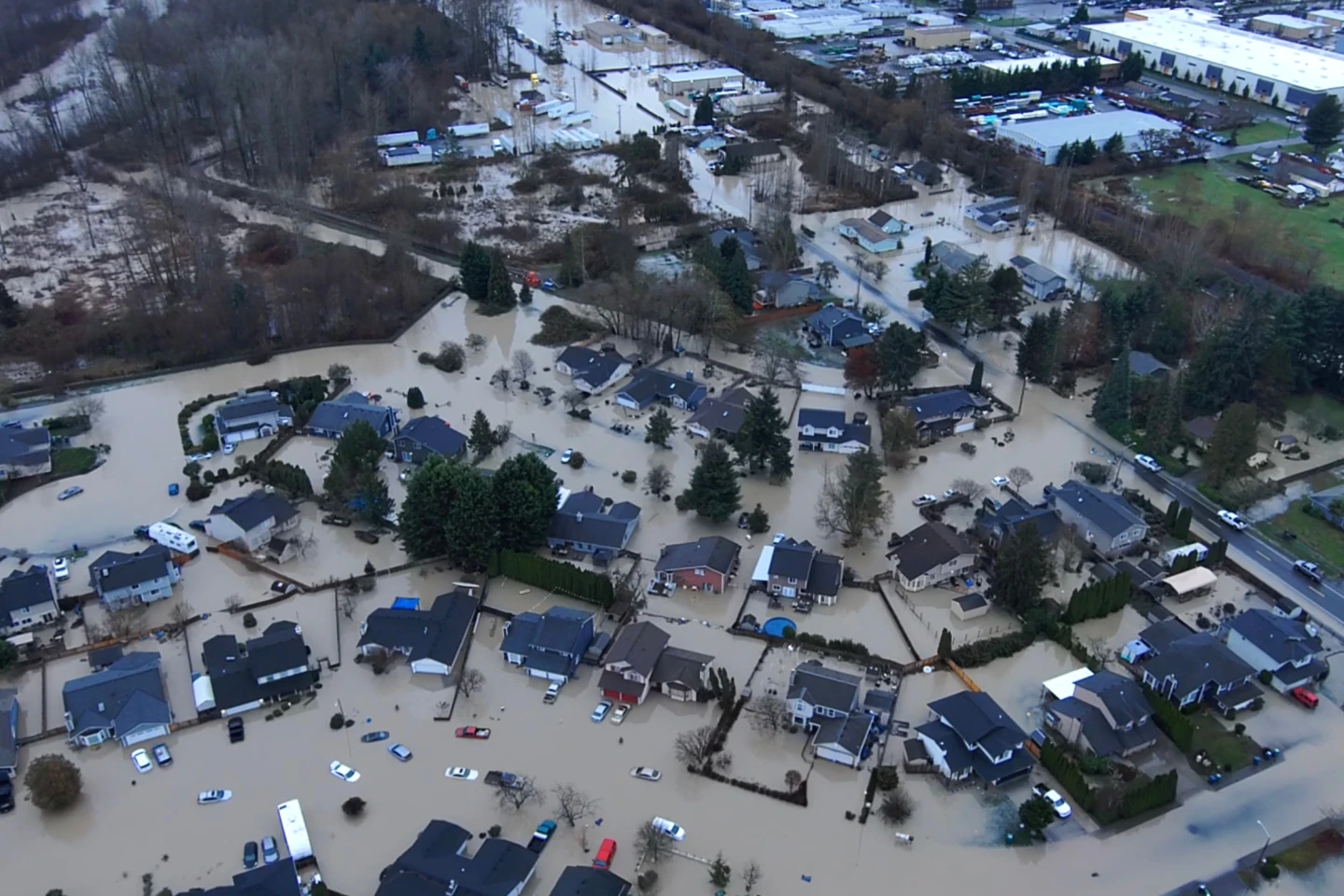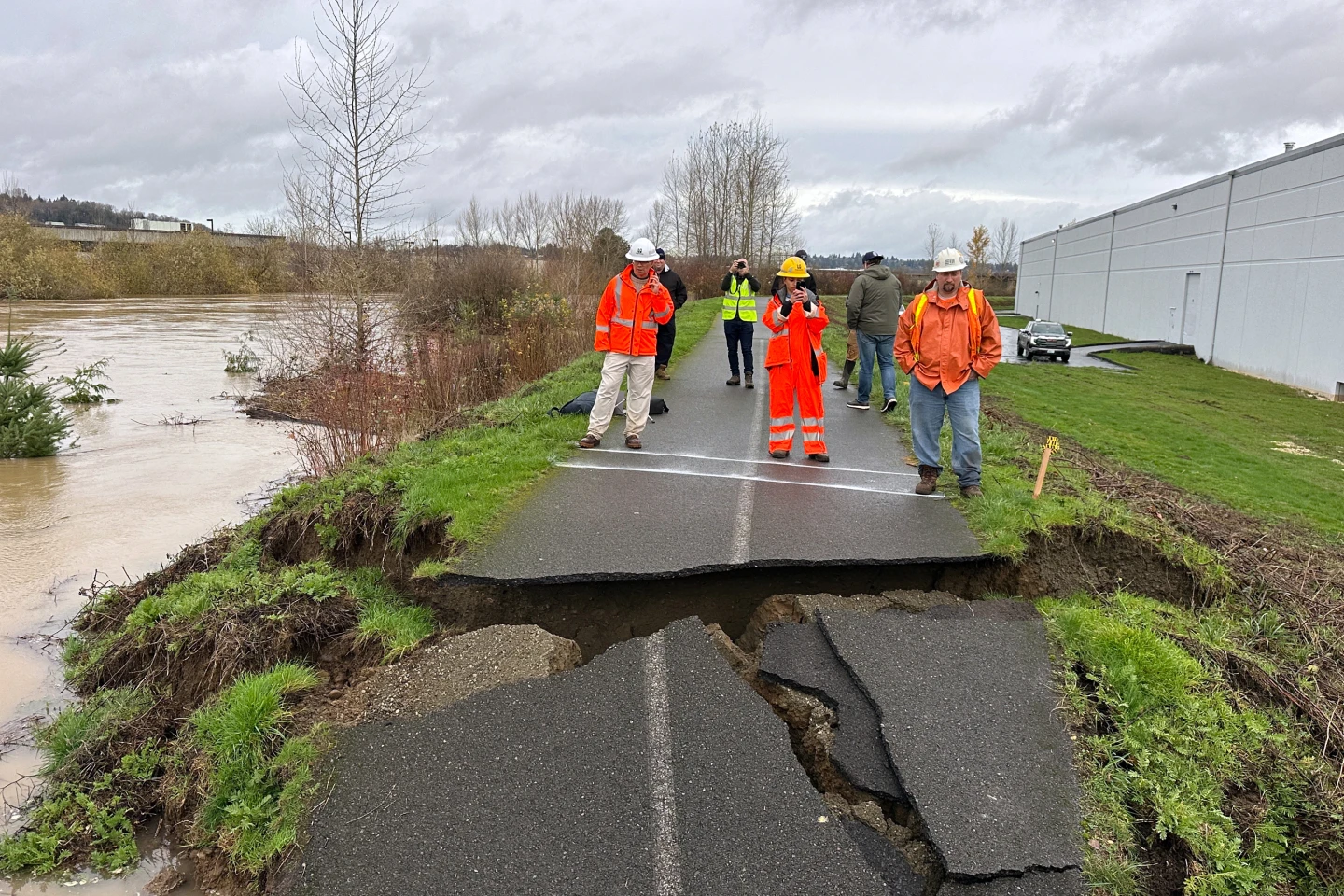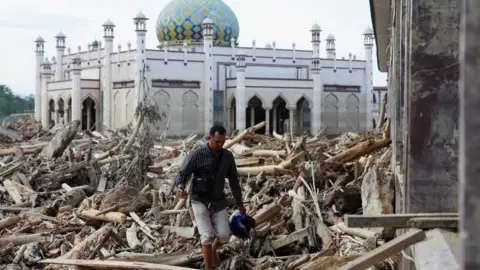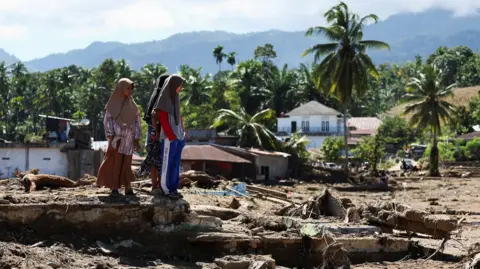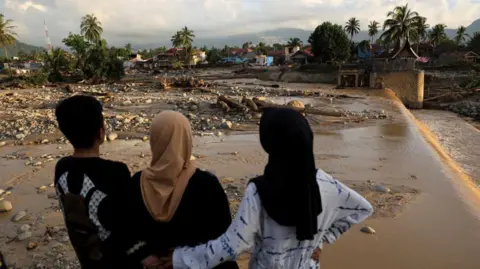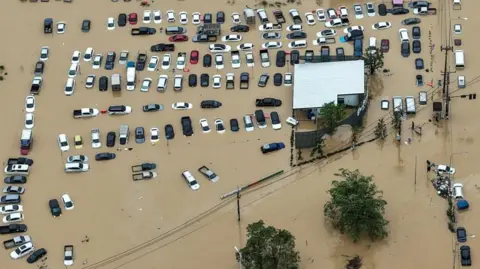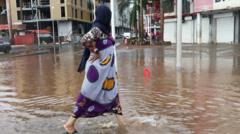
In the aftermath of Cyclone Chido, the French Indian Ocean territory of Mayotte is once again grappling with the aftermath of severe weather, as heavy rains have triggered flooding and mudslides. The region was placed on the highest alert level following the storm Dikeledi's passing on Sunday morning. Authorities are warning residents of dangerous winds, flash floods, and potential landslides.
Social media platforms have been flooded with videos showing the devastating effects of the storm, including downed power lines. Local news reports highlighted that the southern village of Mbouini, which miraculously remained unscathed during Cyclone Chido, is now submerged under water.
Dikeledi initially made landfall in northern Madagascar before moving south towards Mayotte. François-Xavier Bieuville, the prefect of Mayotte, reported to a French news channel that "extremely heavy rains is beginning to trickle down," leading to the initial floods and significant mudslides across the territory. As forecasters predict continued rainfall even after the storm has passed, officials assure that Mayotte will likely remain under a red alert until Monday evening.
The immediate human cost of the storm is visible, with around 14,500 individuals seeking refuge in emergency shelters set up across the region. As of Sunday afternoon, Dikeledi was reported to be moving away from Mayotte. Forecasters predict that the storm could intensify into a tropical cyclone as it approaches the Mozambican coastline. Although it is not expected to make landfall in Mozambique, the Nampula region is bracing for severe weather conditions.
Mayotte, grappling with poverty, has been profoundly affected by the relentless series of storms. In December, Cyclone Chido became the most catastrophic event to hit the island in almost a century, with initial estimates reporting hundreds dead. However, that number was eventually revised to 39, underscoring the devastating impact of severe weather on this vulnerable population. The official count of residents in the archipelago stands at 320,000, but estimates suggest there might be an additional 100,000 to 200,000 undocumented migrants residing in precarious living conditions.
Social media platforms have been flooded with videos showing the devastating effects of the storm, including downed power lines. Local news reports highlighted that the southern village of Mbouini, which miraculously remained unscathed during Cyclone Chido, is now submerged under water.
Dikeledi initially made landfall in northern Madagascar before moving south towards Mayotte. François-Xavier Bieuville, the prefect of Mayotte, reported to a French news channel that "extremely heavy rains is beginning to trickle down," leading to the initial floods and significant mudslides across the territory. As forecasters predict continued rainfall even after the storm has passed, officials assure that Mayotte will likely remain under a red alert until Monday evening.
The immediate human cost of the storm is visible, with around 14,500 individuals seeking refuge in emergency shelters set up across the region. As of Sunday afternoon, Dikeledi was reported to be moving away from Mayotte. Forecasters predict that the storm could intensify into a tropical cyclone as it approaches the Mozambican coastline. Although it is not expected to make landfall in Mozambique, the Nampula region is bracing for severe weather conditions.
Mayotte, grappling with poverty, has been profoundly affected by the relentless series of storms. In December, Cyclone Chido became the most catastrophic event to hit the island in almost a century, with initial estimates reporting hundreds dead. However, that number was eventually revised to 39, underscoring the devastating impact of severe weather on this vulnerable population. The official count of residents in the archipelago stands at 320,000, but estimates suggest there might be an additional 100,000 to 200,000 undocumented migrants residing in precarious living conditions.