In brief
Following significant drug seizures by Canadian authorities, U.S. President Trump has accused Canada of contributing to the fentanyl crisis, threatening tariffs to enforce stricter border control. In response, Canada bolsters surveillance measures, seeking to protect its trade relationship with the U.S.
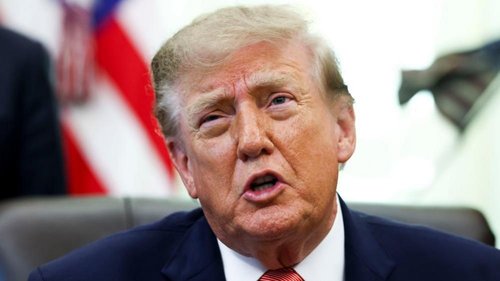
In a dramatic confrontation over cross-border drug trafficking, Canadian officials are ramping up efforts to tackle the fentanyl crisis as tensions rise with the U.S. Following a major cocaine seizure along the U.S.-Canada border, President Trump accused Canada of failing to adequately control narcotic flow, suggesting its inaction has exacerbated the fentanyl epidemic harming American families.Trump's claims came during a press conference shortly after his inauguration, where he stated, "The fentanyl coming through Canada is massive." Threatening a 25 percent tariff on exports from both Canada and Mexico, he urged stricter border measures to halt drug trafficking. The President denounced Canada and Mexico’s border policies, accusing them of neglect that endangers U.S. citizens.At a subsequent confirmation hearing, Howard Lutnick, Trump’s nominee for commerce secretary, echoed this sentiment, declaring that Canada must "show respect" to the U.S. as its largest trade partner. He demanded decisive action to stop the flow of fentanyl into the U.S., calling for enhanced border security measures.In a bid to counter these accusations and avoid potential tariffs, the Canadian government has stepped up its surveillance operations at the border. This includes deploying drones, canine units, and helicopters to monitor for narcotics. Prime Minister Justin Trudeau has reassured the U.S. government, asserting Canada’s commitment to addressing the drug issue, however, these reassurances seem to have fallen short of appeasing the new administration in Washington.The unfolding situation highlights the complex interplay between trade policies and drug enforcement, underscoring the urgent need for cooperative action between the U.S. and Canada to tackle an escalating public health crisis.