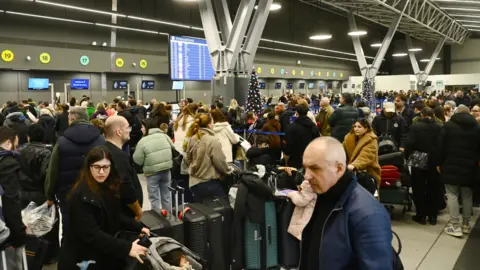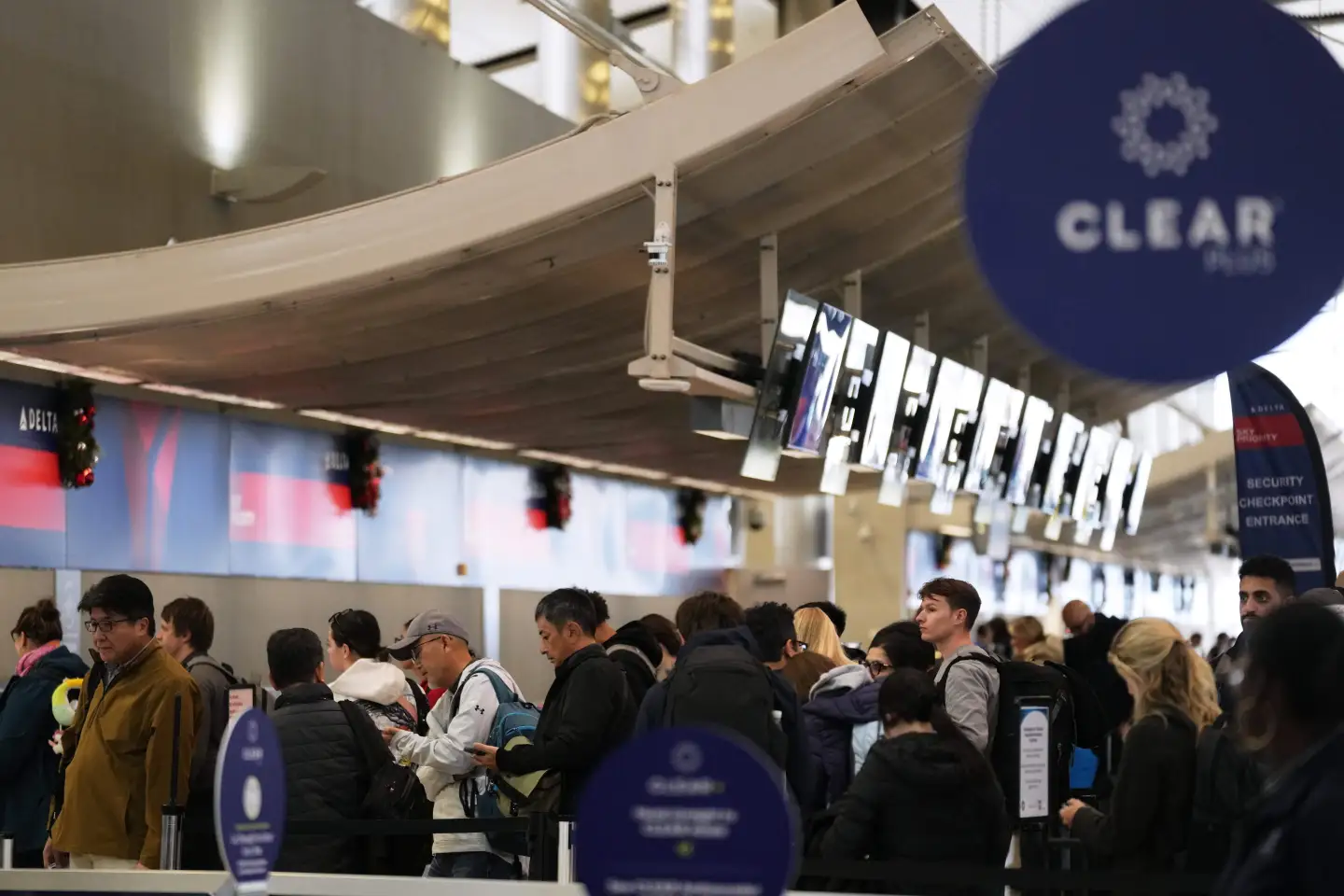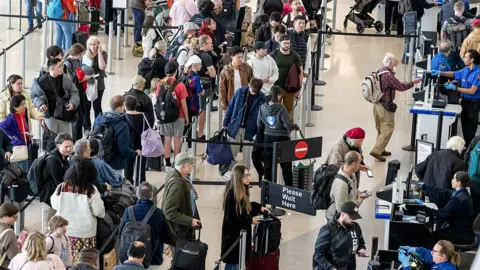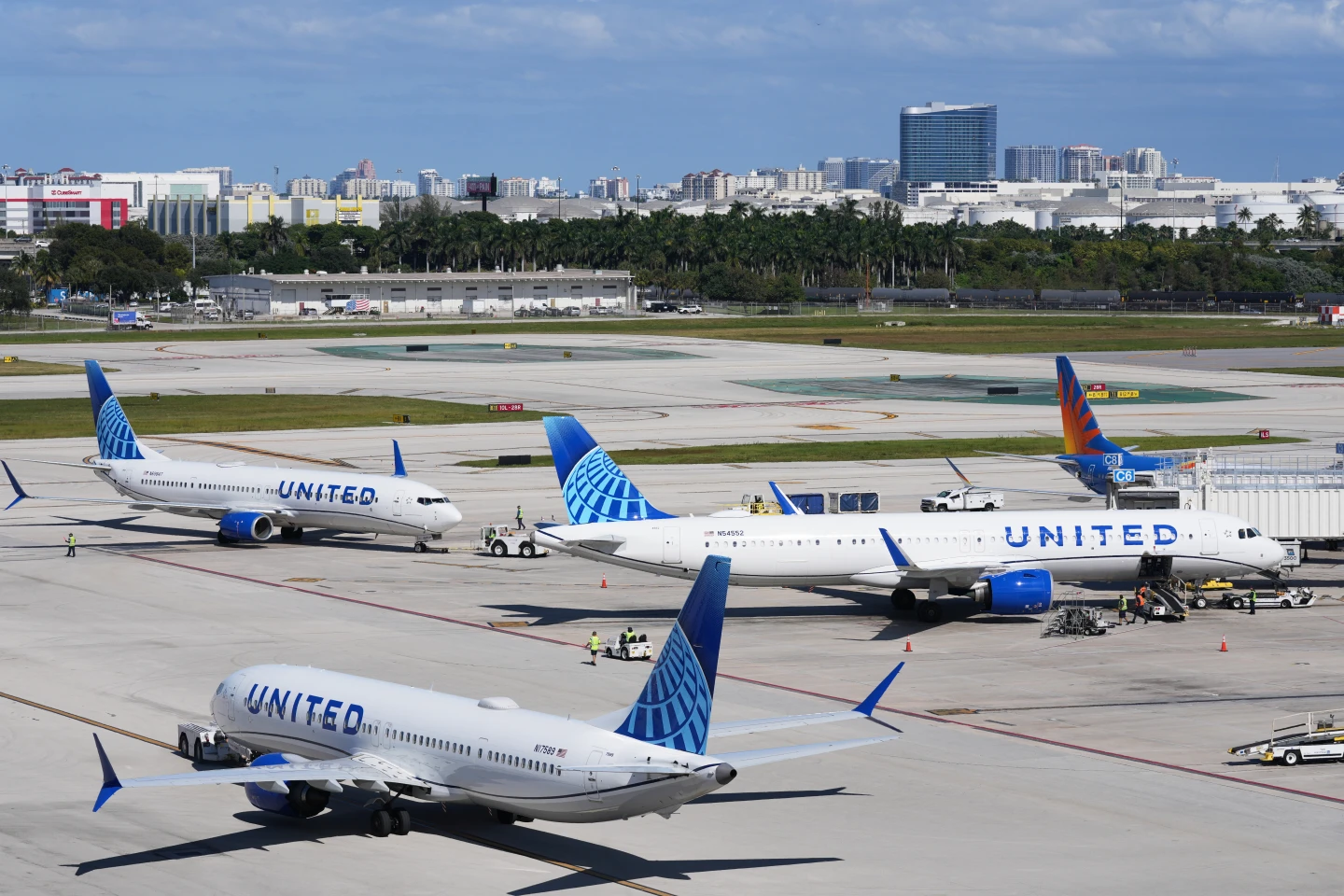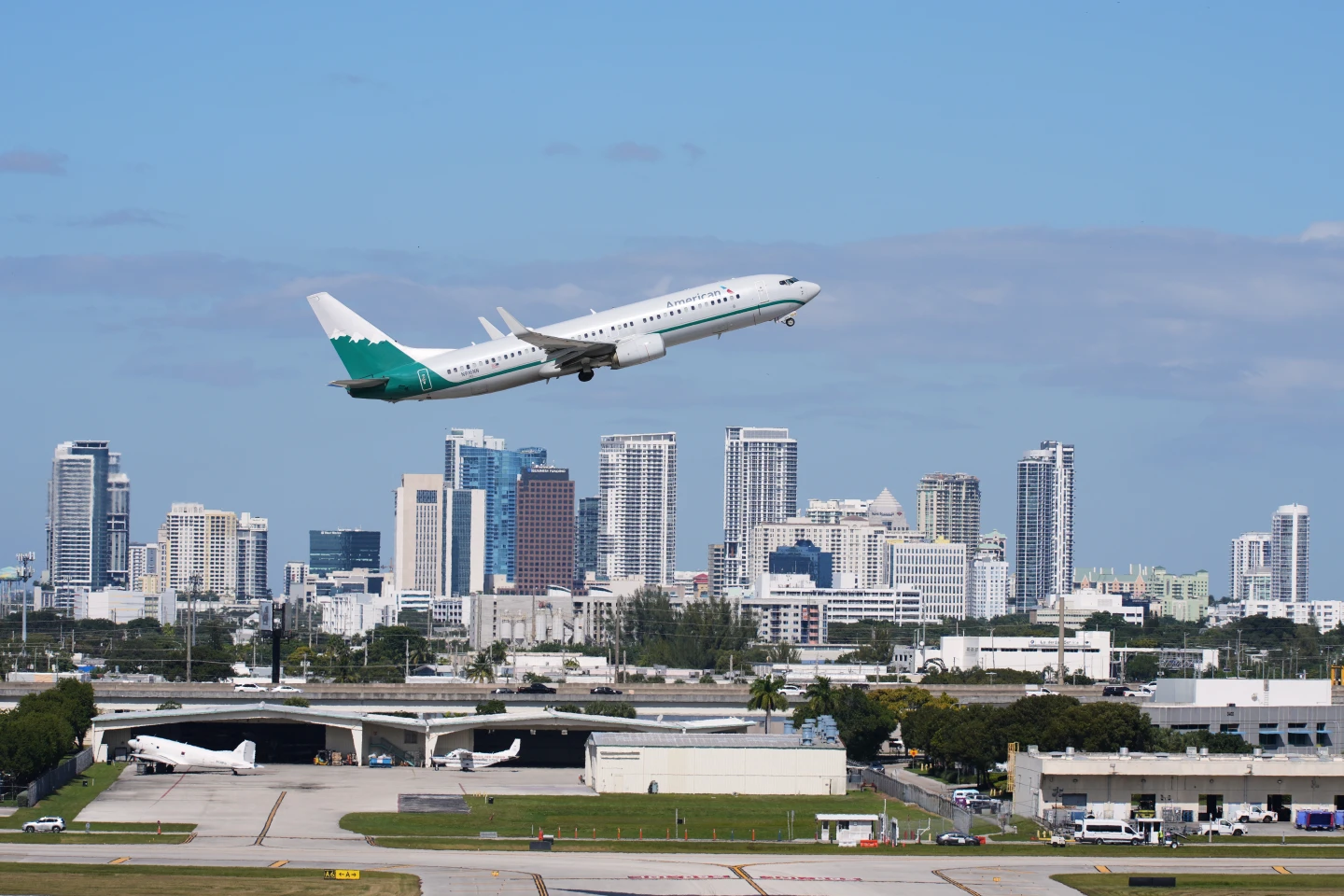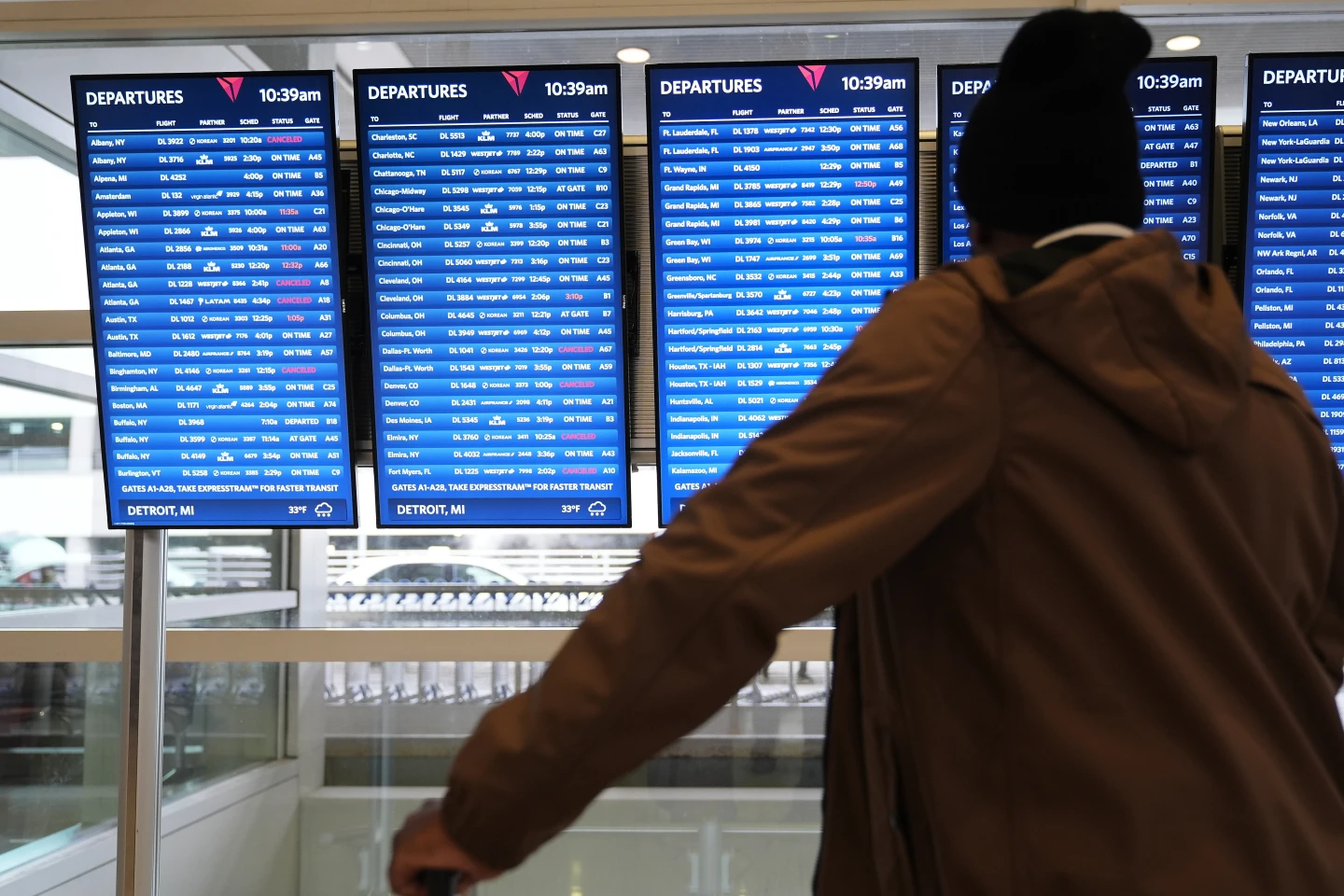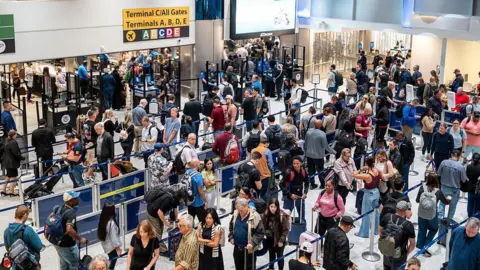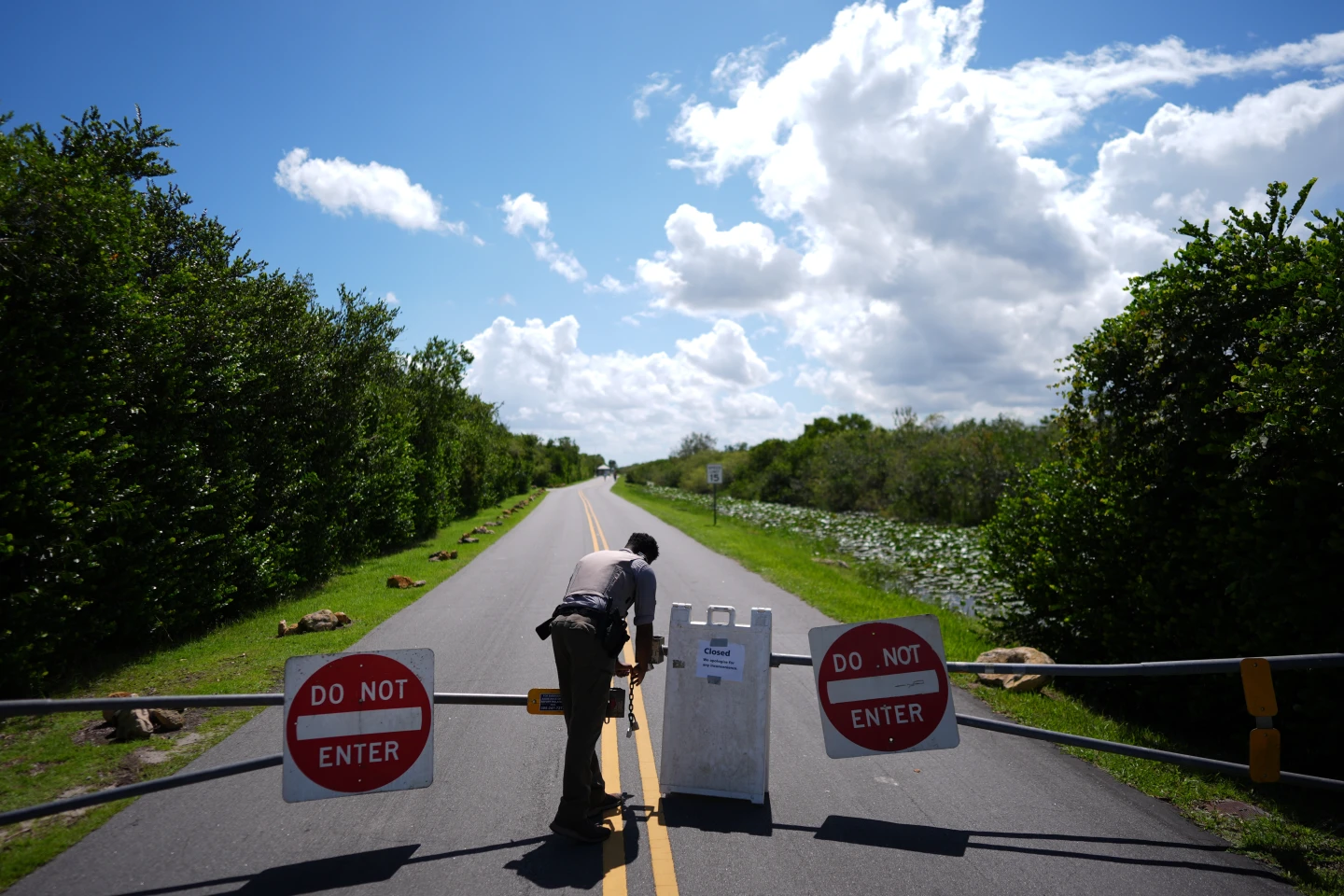
The current U.S. government shutdown, initiated due to a budget impasse, is raising significant concerns over air travel and national park operations. With essential airport personnel working without pay, travelers are advised to brace for prolonged security lines, delayed flights, and potential cancellations.
Geoff Freeman, CEO of the U.S. Travel Association, highlights, “A longer shutdown will likely result in escalating TSA wait times and national park degradation, further impacting infrastructural upgrades.”
Travel Impact Insights
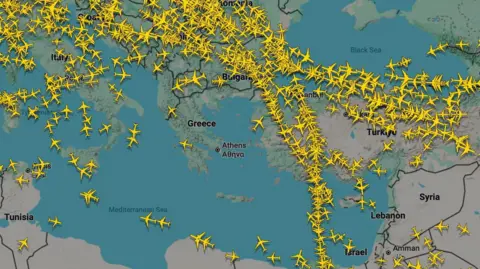
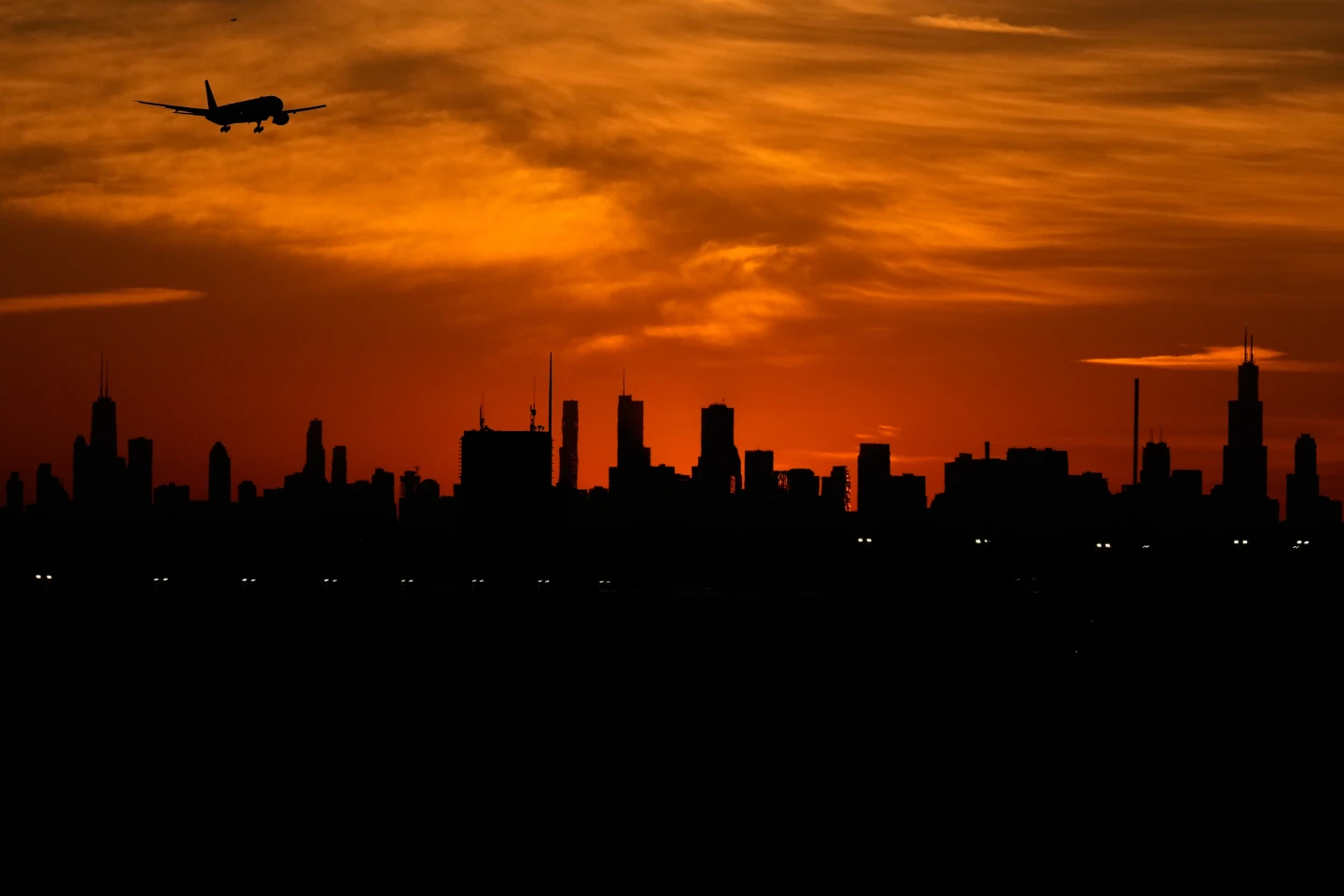
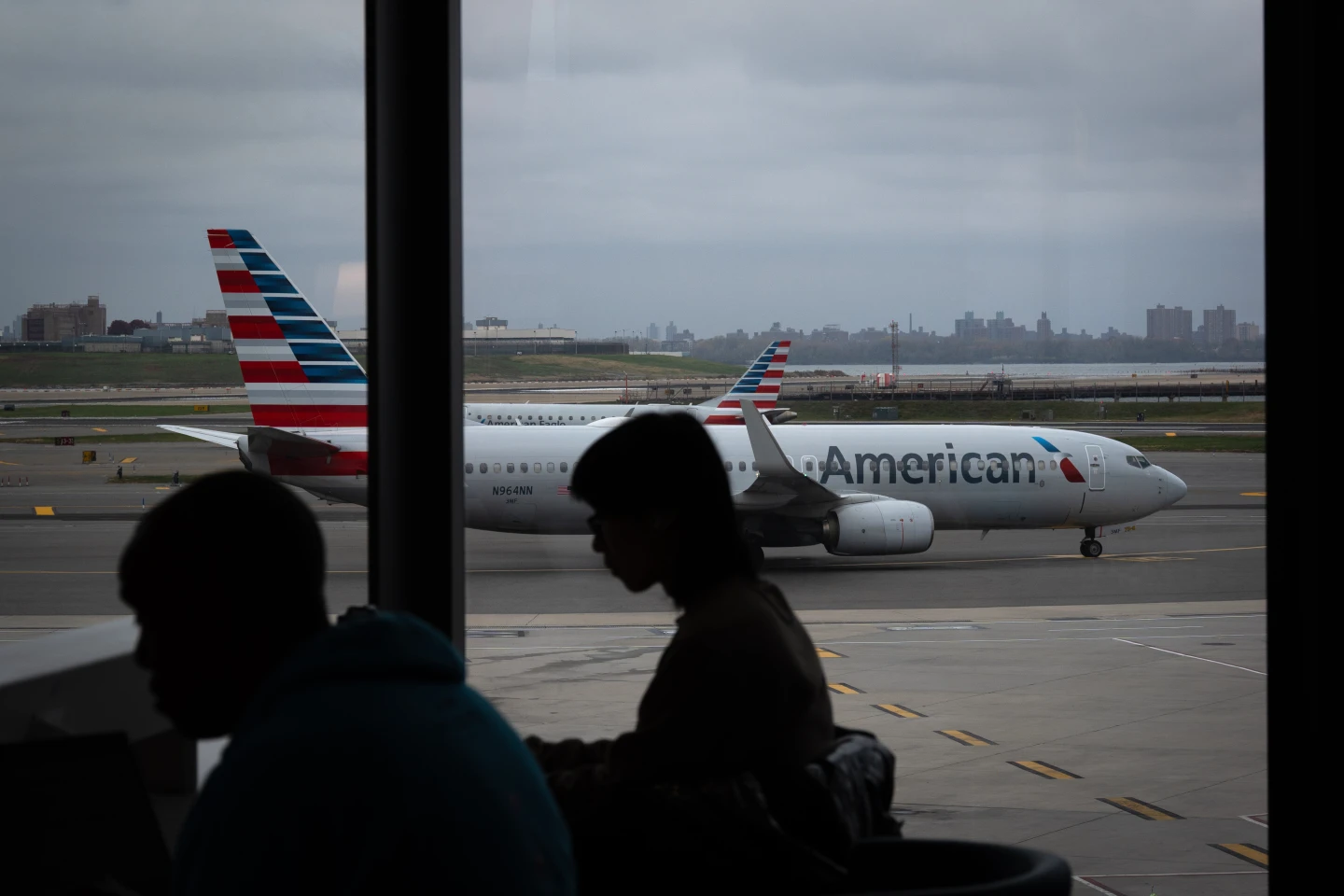
While commercial flights are operating, airports face strains similar to those observed during the lengthy shutdown of 2018-2019. Staff at control towers and Transportation Security Administration (TSA) checkpoints remain active, yet the pressures on air traffic systems grow as staffing shortages risk operational functionality.
International Travel
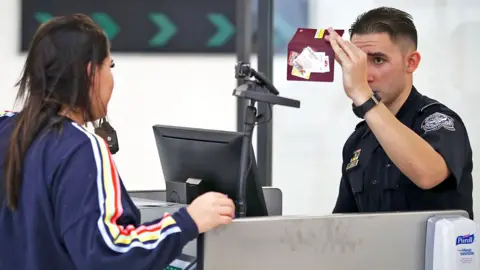
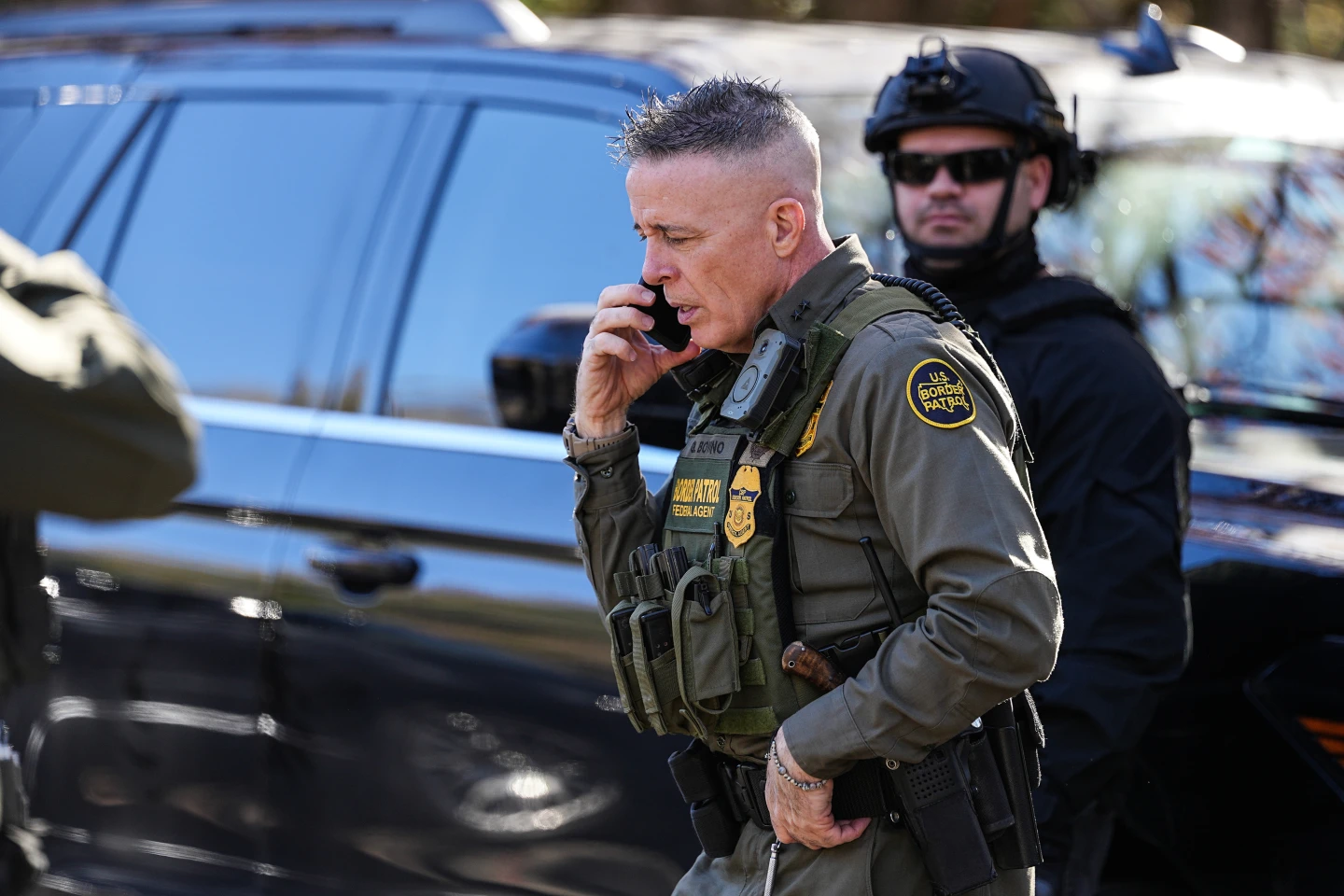
The Department of Homeland Security assures international borders will remain open, with sufficient Customs and Border Protection agents expected to maintain regular duties despite the funding lapse.
Passport and Visa Operations
The U.S. Citizenship and Immigration Services operates primarily on fees, so passport processing may remain unaffected, but the shutdown has temporarily suspended the E-Verify employment eligibility program.
Effects on Museums and National Parks
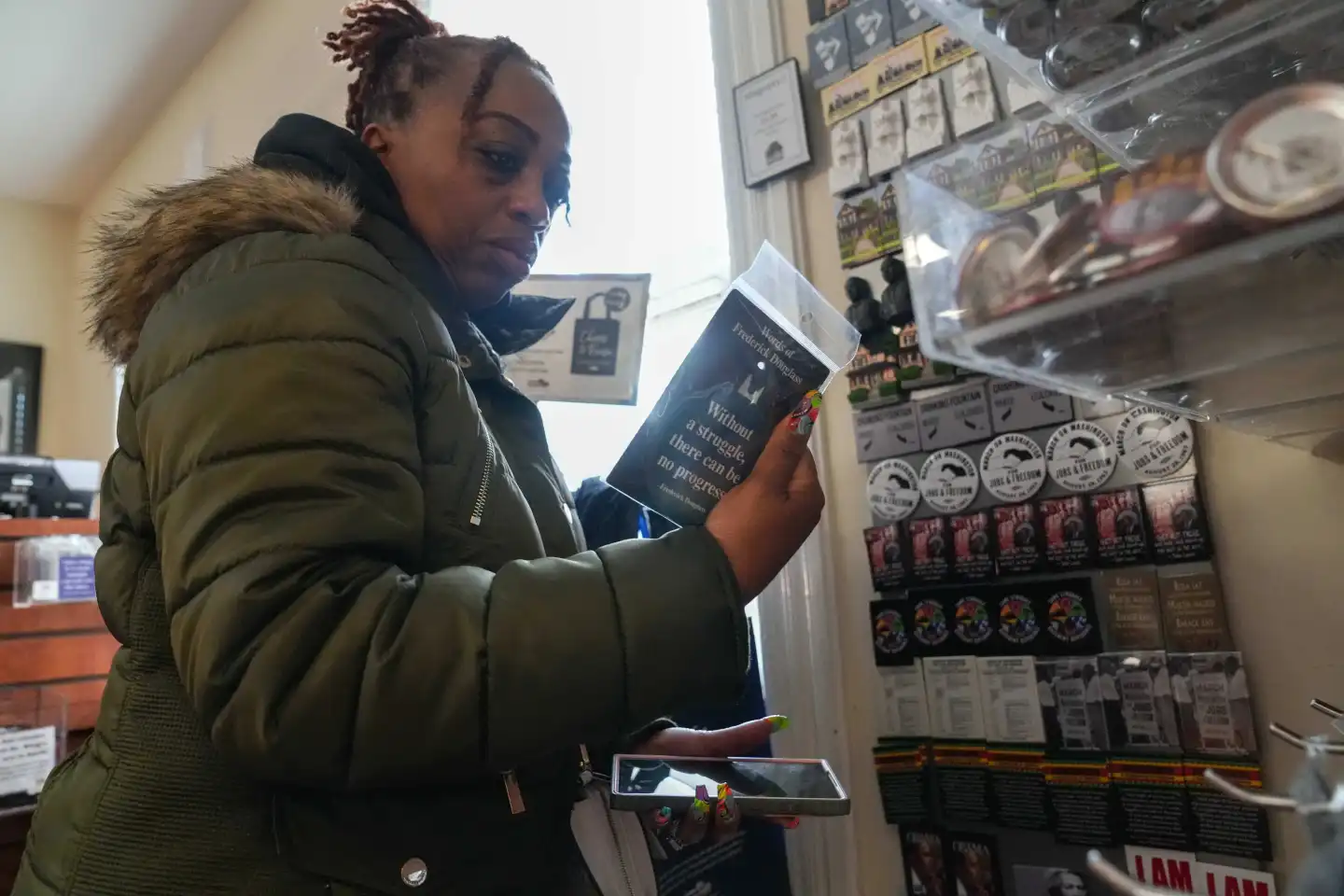
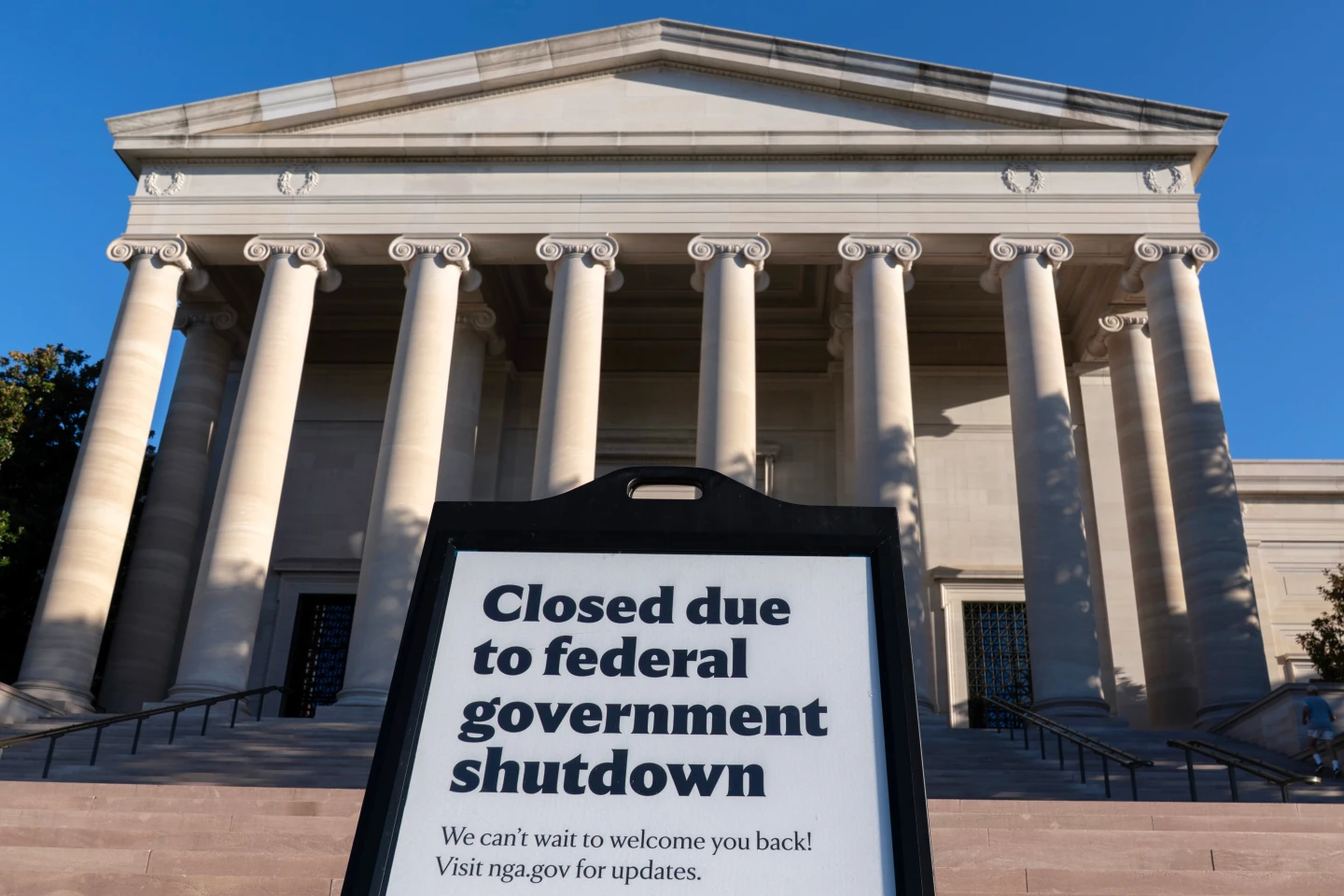
While Smithsonian museums are expected to stay operational through early October, access to national parks will largely depend on staffing status. The National Park Service indicates most parks will remain accessible, but resources could become strained if garbage builds up or infrastructure faces significant damage.
In a time when every effort counts against the backdrop of climate change, maintaining access to travel and national parks is critical. As citizen scientists, eco-activists, and policymakers work towards sustainable futures, the implications of governmental funding on these venues remind us of the importance of infrastructure in preserving our natural landscapes and ensuring travel reliability.