In brief
The federal government shutdown is causing significant operational challenges for air traffic control, leading to increased flight cancellations and delays. Transportation Secretary Sean Duffy warned that if the situation continues, air travel could slow dramatically, especially during the busy Thanksgiving season. With air traffic controllers not receiving pay, many are opting to retire early, exacerbating the staffing shortages in critical air traffic control positions.
As the federal government shutdown persists, air travel in the United States is facing dire consequences. Transportation Secretary Sean Duffy has indicated that if the shutdown drags on, air traffic could potentially decrease to a mere trickle just as the busy Thanksgiving travel season approaches.
Last week, the Federal Aviation Administration (FAA) implemented flight cuts at some of the nation's busiest airports, as unpaid air traffic controllers began to abstain from work. These reductions commenced at a 4% decrease and are scheduled to escalate to 10% by November 14, affecting all commercial airlines operating between 6 a.m. and 10 p.m. local time.
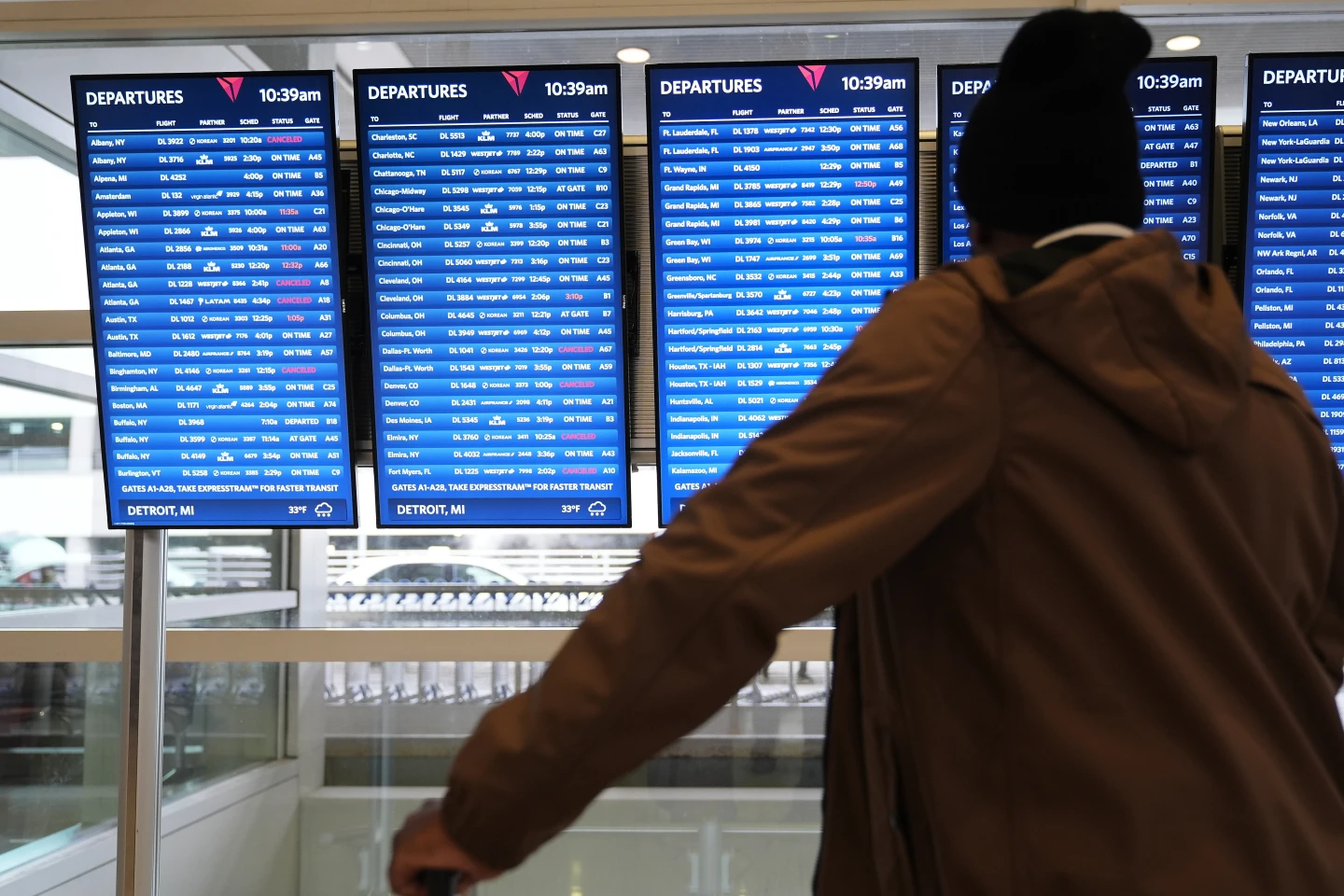
Reports indicate that on a single Sunday, over 1,700 flights were canceled, while nearly 5,000 others faced delays. Atlanta's Hartsfield-Jackson International Airport recorded the highest number of cancellations, highlighting the extent of the travel disruption.
In response to the staffing crisis, Duffy noted significant average departure delays at Newark and LaGuardia airports, primarily resulting from controller shortages. Detroit Metropolitan Airport, typically bustling, saw a stark reduction in travelers amid the chaos.
“More controllers aren’t coming to work day by day, the further they go without a paycheck,” Duffy explained. With some air traffic controllers starting to retire amid the crisis at a rate of up to 20 per day, the situation is worsening. Duffy expressed concerns that without resolution, massive disruptions and frustration among travelers are inevitable.
The FAA has faced staffing issues for years, with the current shutdown amplifying the challenges. Airlines for America reported that controller-related delays reached an alarming total of over 3,000 hours just last Saturday, affecting more than four million passengers since the beginning of October.
Duffy concludes, “I think we have to be honest about where this is going. It doesn’t get better; it gets worse until these air traffic controllers are going to be paid.” As the Thanksgiving holiday draws near, travelers may need to brace themselves for travel slowdowns and increased cancellations.