In brief
Residents of Port Sudan are grappling with severe water and fuel shortages after a week of drone strikes, transforming the once stable city into a frontline in Sudan's civil war. Many families, like that of Mutasim, now face escalating costs for water and long queues for fuel, raising fears of further deterioration in living conditions.
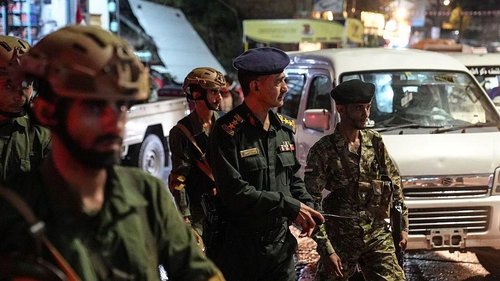
In the wake of relentless drone attacks by the Rapid Support Forces (RSF) in Port Sudan, the city is confronting a critical humanitarian crisis, experiencing dire water scarcity as the price of this essential commodity skyrockets. Once a refuge amid Sudan's tumultuous civil war, Port Sudan is now caught in the crossfire, leaving residents struggling to meet their basic needs.Black smoke billows from damaged fuel depots that have crippled the local water supply system reliant on diesel-powered pumps. With supply chains disrupted, families like that of 26-year-old Mutasim face exorbitantly high prices for water—up from 2,000 Sudanese pounds to as much as 10,000 pounds in just a week. "Soon, we won't be able to afford it," he lamented, as the conflict sees him and his family grapple with the essentials of daily life.Hawa Mustafa, a teacher and mother of four, has also been upended by the attacks, which send chills down her spine as they revive memories of past violence in her home city, el-Geneina. Forced to confront pervasive fear and uncertainty, she is at a loss for where to take her family amid ongoing chaos.The ongoing assault has not only frightened residents; it has raised alarms among humanitarian agencies relying on Port Sudan as an aid distribution center. The World Food Programme (WFP) recently emphasized the urgent need for successful delivery channels for food and medical supplies, as they warn of famine in multiple regions of the country. Another local, Mariam Atta, described the profound change the environment has brought: "We are struggling to cope. The fear is constant." With most streets quiet due to blackouts and the risk of violence, Port Sudan's previously vibrant nightlife has turned subdued, leaving many citizens isolated in their homes searching for safety.As agencies search for alternative routes to deliver much-needed aid, the continued drone strikes threaten to plunge the city deeper into crisis. For those like Mutasim, Hawa, and many others, the uncertain future looms large as hope fades amid darkness.