In brief
Rafael Grossi of the IAEA updates on the situation after Israeli strikes, emphasizing the need for restraint to prevent further escalation.
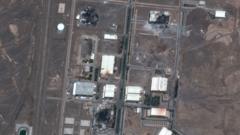
In a tense geopolitical climate, the International Atomic Energy Agency (IAEA) has confirmed that no further damage has occurred to Iran's Natanz uranium enrichment facility following recent Israeli military actions. IAEA chief Rafael Grossi announced to member states during a Vienna meeting that while an above-ground enrichment site at Natanz was destroyed, the underground facilities appear to remain intact.Evidencing the ongoing hostilities, Grossi recounted damage to four of five buildings at the Isfahan Nuclear Technology Centre, including a uranium conversion facility. Despite the destruction, he reassured that radiation levels at both Natanz and Isfahan remained unchanged, indicating a controlled environmental impact thus far. The Israeli government has asserted that these strikes are necessary to counter perceived threats from Iran's nuclear ambitions, claiming that they were targeting efforts to weaponize enriched uranium. Citing citizen safety, they declared that the attacks killed nine nuclear scientists and sought to dismantle nuclear manufacturing capabilities.Iran maintains that its nuclear program is strictly for peaceful purposes. The country has urged international condemnation of Israel’s military actions and denounced them as blatant violations of international law. Iranian officials have also communicated their ongoing missile strikes on Israel as retaliatory actions against aggression.Drawing attention to the delicate situation, Grossi stressed the potential repercussions of further military escalation, warning that it could lead to increased risks of radiological release and harm both to civilians and the environment.Analysts observe that the latest developments come against a backdrop of deteriorating relations between Iran and Israel, particularly in the wake of the 2015 nuclear agreement's collapse. The fallout of this ongoing conflict raises concerns about regional stability and the pressing need for diplomatic solutions to avert further conflict and potential nuclear proliferation in the region.