In brief
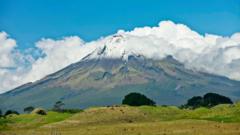
Following years of negotiations, New Zealand's Mt Taranaki has officially been granted legal personhood, allowing Māori tribes joint management of the sacred site. This groundbreaking recognition addresses historical injustices during colonization and represents a pivotal step towards restitution for local indigenous communities.
New Zealand's Mt Taranaki, a site of profound cultural significance for the local Māori tribes, has been officially awarded the same legal rights as a person through a newly passed settlement bill. This historic legislation, finalized after extensive negotiations, grants Taranaki Maunga the ability to effectively "own itself," with collaborative management by local iwi (tribes) and the government. This decision is not only a form of reparation aimed at addressing decades of injustices experienced by the Māori during colonization, but it also symbolizes a broader recognition of the Māori worldview. According to Māori beliefs, natural entities such as mountains are considered ancestors and living beings deserving of respect and guardianship. The Taranaki Maunga Collective Redress Bill was passed unanimously by New Zealand's parliament, officially restoring the mountain to its Māori name, Taranaki Maunga, while eliminating the colonial name of Egmont, bestowed by British explorer James Cook in the 18th century. This transformation reflects an effort to reaffirm the cultural identity tied to the land by the local Māori tribes.Significant support for the bill's passage is evidenced by the presence of hundreds of Māori individuals at parliament during the announcement, celebrating this step towards healing and recognition of past wrongs. The government also issued a formal apology for the confiscation of Mt Taranaki and over a million acres of land from local Māori in the 1860s, highlighting the cumulative impact of these injustices on the wider Māori community.Paul Goldsmith, the government minister overseeing these negotiations, emphasized the importance of acknowledging past harms to pave the way for future opportunities. He assured that access to the mountain would remain unchanged, allowing all New Zealanders to continue enjoying this natural wonder.Mt Taranaki joins a growing list of natural features in New Zealand to be granted legal personhood, following precedents set by the Urewera native forest in 2014 and the Whanganui River in 2017. These legal recognitions mark significant milestones in the ongoing journey toward restitution and recognition of Māori rights in New Zealand.