
In brief
The forum opened in Burgas with officials such as Environment Minister Rositsa Karamfilova and European Commission figures. Sessions covered security, marine resource management, and youth engagement, with an expo highlighting innovations for a sustainable sea. Participants called for greater cooperation between states and research groups.
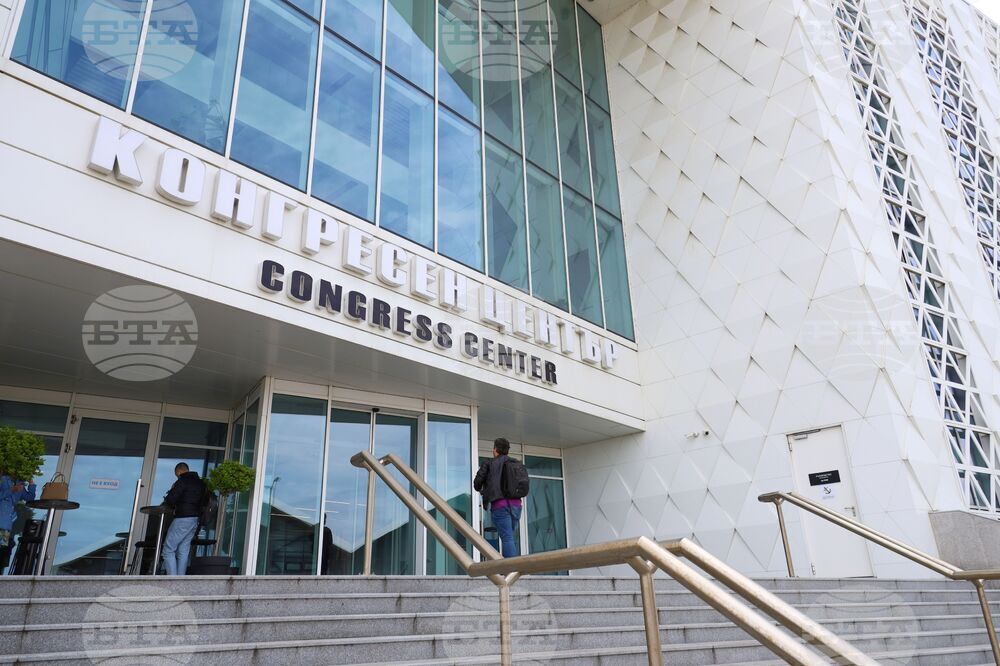
The 2nd Black Sea 2030: Security, Resilience, Innovation International Forum opened on Friday, 30 October 2026, at the International Congress Centre in Burgas on the Black Sea coast, according to the Burgas Regional Information Centre. The event began at 9.30 a.m. and gathered representatives from European and international institutions, national governments, business, academia, media, and a sizeable contingent of young people.
Organised by the Burgas Municipality in partnership with the Prospekti M Association, the forum’s agenda centred on the regional future, highlighting the overlap between security concerns, sustainable development of marine and coastal communities, and the potential of science, innovation, and emerging technologies. The programme underscored the necessity of dialogue and practical solutions to chart the region’s development path in the coming years.
Key highlights of the opening session reflected the breadth of issues the Black Sea faces. Participants discussed the new security environment, the sustainable management of marine resources, and the future of coastal communities. The session also examined how scientific research and innovation can be harnessed to promote resilience and sustainable growth across the littoral states.
Key Themes and Youth Participation
The forum devoted a special section to the Technologies for a Secure and Sustainable Black Sea expo zone. This sector focused on technological solutions and innovations as tools for better protection, sustainable development, and more effective cooperation in the region. By showcasing applications ranging from marine monitoring drones to advanced waste‑management systems, the expo aimed to demonstrate how technology can translate into tangible benefits for both security and environmental stewardship.
Another central focus was the participation of young people. The forum organisers highlighted the generation that will inherit the outcomes of today's decisions and called on participants to actively involve youth in processes of change. Sessions dedicated to young innovators emphasized entrepreneurship, digital transformation, and climate‑resilient projects, thereby giving them a platform to influence regional planning and policy.
High‑profile speakers added credibility and momentum to the event. Bulgarian Environment and Water Minister Rositsa Karamfilova opened the forum, underscoring the Bulgarian government’s commitment to sustainable marine governance. The director of the Directorate‑General for Research and Innovation, Healthy Planet, James Morrison, addressed the role of research funding and cross‑border collaboration in supporting the Black Sea’s ecological health. George Kremlis, the European Public Law Organisation ambassador to Bulgaria and director of the Institute for Climate, Environment, Energy and the Circular Economy, highlighted legal frameworks that could underpin sustainable practices. Ekaterina Zaharieva, the European Commissioner for Startups, Research and Innovation, stressed the importance of fostering start‑up ecosystems that tackle climate and security challenges. Ivan Vasilev, Bulgaria’s Minister of Innovation and Digital Transformation, spoke to the need for policy coherence to spur technological adoption at scale. Representatives from the European Commission’s Restore Our Ocean and Waters mission board also shared insights on multi‑institutional strategies to safeguard marine ecosystems.
While the forum’s primary focus was on security and sustainability, participants also touched upon the economic implications of a resilient Black Sea. Several business leaders presented ventures linked to eco‑tourism, renewable energy, and blue‑circular‑economy models. Their contributions illustrated how investment in green infrastructure could bolster both the regional economy and environmental outcomes.
Interactive panels and workshops provided practical avenues for cooperation. Delegates drafted joint action plans that identify immediate next steps for aligning national policies, sharing data, and piloting technology in the Black Sea basin. In one session, marine biologists and security analysts discussed integrated surveillance systems that combine satellite imagery, acoustic monitoring, and citizen‑science networks to detect illegal fishing and protect biodiversity.
The forum’s closing was marked by a call for sustained collaboration. Delegates urged national leaders to institutionalise mechanisms established during the event, ensuring that security, resilience, and innovation remain intertwined in strategic planning for the 2030 and beyond. The organisers announced that follow‑up meetings and working groups would remain active throughout the year to monitor progress and to adjust tactics as new scientific findings and security developments arise.
The inaugural Black Sea 2030 forum in Burgas thus set a comprehensive agenda that balances geopolitical concerns with urgent environmental imperatives. By foregrounding technology, youth, and cross‑sector partnerships, the event illustrates a pathway toward a safer, more sustainable Black Sea, aligning with broader climate and sustainability goals that resonate with EcoSphere’s readership.



