In brief
On 27 April 2023, Burgas hosted the 2nd Black Sea 2030: Security, Resilience, Innovation International Forum, framed around marine security and sustainable development. The event showcased a Technologies for a Secure and Sustainable Black Sea expo, highlighted youth engagement, and drew key figures such as Environment Minister Rositsa Karamfilova and EU Commissioner Ekaterina Zaharieva. A related lecture on 30 October by the Honorary Director General of Burgas Free University further underscores the forum’s continued educational outreach.
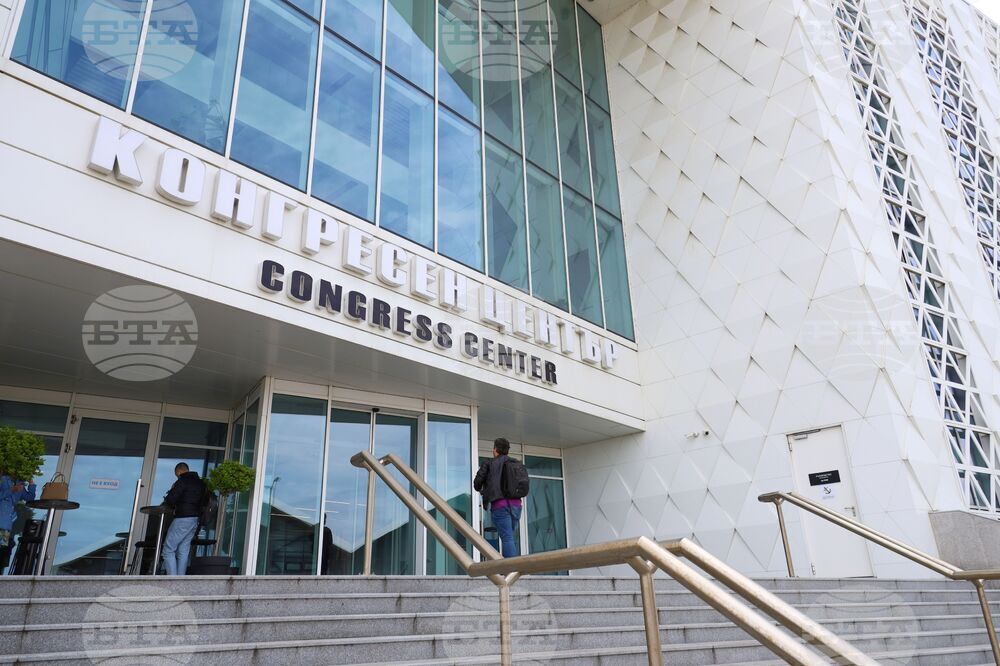
The 2nd Black Sea 2030 International Forum opened Friday, 27 April 2023, at the International Congress Centre in Burgas, Bulgaria. The meeting brought together representatives of European and international institutions, government, business, academia, media and young people to debate ways to secure the Black Sea region, manage marine resources sustainably and innovate through new technologies.
A prominent feature of the programme was the Technologies for a Secure and Sustainable Black Sea expo zone, an exhibition that highlighted tools and innovations designed to protect the sea, support coastal communities and foster cooperation between coastal states. Participants noted that technological solutions are “key for better protection, sustainable development and more effective cooperation in the region.”
Youth involvement was a centrepiece of the forum’s agenda. Organisers emphasised that the generation that will inherit the outcomes of the discussions now needs an active voice. Speakers underscored pathways for young scientists, entrepreneurs and activists to influence regional policy and technology development.
Key speakers included Bulgaria’s Environment and Water Minister Rositsa Karamfilova, European Commission officials such as Innovation and Digital Transformation Minister Ivan Vasilev, European Commissioner for Startups, Research and Innovation Ekaterina Zaharieva, and European Public Law Organisation Ambassador to Bulgaria George Kremlis. Movements on the science front were highlighted by the Mission Board member Ivelina Vasileva of the “Restore our Ocean and Waters” initiative.
The forum’s thematic lines focus on security in the new geopolitical climate, ensuring the sustainability of marine ecosystems, safeguarding coastal livelihoods, advancing scientific research and forging new international partnerships. The organisers argue that a coordinated, technology‑driven approach will shape the region’s development in the coming decade.
In addition to the core forum, a related event was announced at Burgas Free University: an open lecture by the Honorary Director General on 30 October, which will be followed by a discussion panel. The lecture is expected to intersect with the forum’s themes by exploring policy implications of emerging technologies and collaborative governance in the Black Sea.
Electric‐underwater sensing, AI‑based pollution monitoring, and blockchain‑based fisheries management were among the technologies showcased at the expo zone. Showcase participants argued that such digital platforms can raise transparency, reduce illegal over‑fishing and assist governments in enforcing environmental regulations.
Security experts stressed that climate‑driven sea‑level rise and increased maritime traffic amplify conflict risks, underscoring the need for shared surveillance systems and coordinated emergency responses. The forum therefore promoted the development of joint cyber‑security protocols for maritime infrastructure.
While the BTA coverage highlighted the breadth of topics, the accompanying Politico newsletter noted the active participation of European Commissioner Ekaterina Zaharieva, adding an international policy dimension to the proceedings. The newsletter also pointed to an open question about whether Romania would fully join the cooperative frameworks, reflecting ongoing diplomatic negotiations.
Overall, the 2nd Black Sea 2030 forum appears to be a nexus for policy, technology and youth to collaborate on securing the region’s future. Continued dialogue and practical solutions, such as those presented in the expo zone and the upcoming lecture, will likely shape the strategy for a sustainable, secure Black Sea by 2030.