In brief
As Myanmar's conflict continues, rebel forces establish educational institutions to combat educational disenfranchisement and promote democracy.
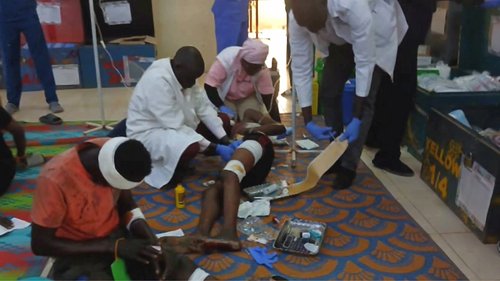
Following Myanmar’s military coup four years ago, the ongoing civil war has led to widespread devastation, with countless lives lost, areas besieged, and a broken economy. In response to the turmoil, anti-junta forces have taken an audacious step—the creation of universities and colleges in rebel-controlled territories, driven by a commitment to education and a vision for a democratic future. Among these initiatives is Karenni Medical College, founded in the depths of the jungle where armed conflict looms. Khuu Nay Reh Win, a 21-year-old medical student, exemplifies the determination of these students, who face not only the threat of airstrikes but also natural hazards like venomous snakes in pursuit of education. "The fear of dying from a snakebite is as real as the fear of bombs," he states, showcasing the dire conditions they endure. These rudimentary educational institutions, built by students and instructors alike, aim to provide a semblance of normalcy and a foundation for a new society amidst chaos.Dr. Myo Khant Ko Ko, the driving force behind Karenni Medical College, emphasizes the urgency of maintaining educational access for the youth. He articulated the concern that prolonged disruptions could deter young people from pursuing their dreams and futures. In total, 18 such schools have emerged in various regions controlled by rebel forces, marking efforts to prevent a lost generation in this war-torn nation despite scarce resources and isolation.As Myanmar's civil war escalates, the stark reality remains: thousands have died, and millions are internally displaced. Yet, amidst this adversity, the quest for education stands as a beacon of hope, fostering resilience and nurturing the architects of tomorrow's democratic Myanmar.