In brief
In a recent Glasgow address, Barack Obama highlighted how digital platforms amplify anger and fear, but stressed that a turn toward extremism is not predetermined. He urged a careful balance between free speech and regulation, noting that technology can both empower advocacy and enable hate. Obama linked the challenge of misinformation to broader struggles—including climate action—calling for new institutions to foster informed debate. He reaffirmed his belief in progressive change, citing the lessons of history and the urgency of collective responsibility. The former president’s remarks echo a broader call for responsible digital governance to support sustainable futures.
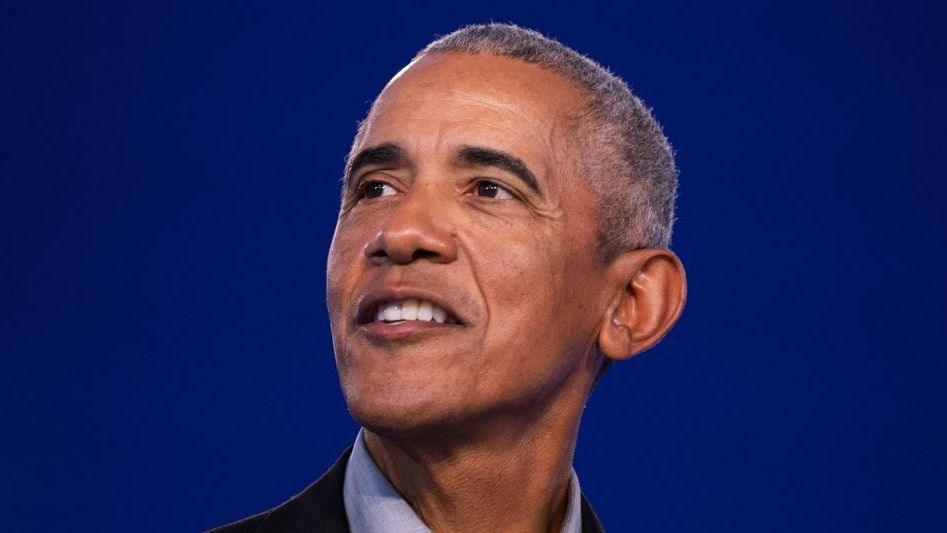
Former President Barack Obama took to the stage in Glasgow’s OVO Hydro on a Friday evening to speak about the digital age’s impact on society and the urgent need for hope amid unsettling trends.
He warned that social‑media platforms have increasingly become arenas for “anger, fear and resentment,” a fact he traced back to the early days of online political campaigning. Yet Obama insisted that the drift toward extremism is not inevitable, and “we still possess the power to shape the future of our public discourse.”
The former commander‑in‑chief framed the discussion around three pillars: freedom of speech, responsible regulation, and the creation of new institutions that can provide fact‑checking and facilitate rigorous debate. He argued that, just as the post‑war era in the United States set limits on propaganda, contemporary leaders must set boundaries against misinformation that fuels division and hampers democratic governance.
“If I had a blame pie for why politics is so polarized, it would be because of the information that goes into our brains every day.”
Though the speech was ostensibly about politics, Obama drew a parallel to global challenges such as climate change, arguing that the same misinformation can distort reality about environmental crises. He highlighted that “a digital diet that is not healthy can leave young people discouraged and eager for radical solutions.”
In closing, Obama appealed to his audience’s sense of agency, stating that collective action can offset the harmful effects of digital polarization. He said, “When we act together, progress may not always come immediately, but over time, we will see better outcomes.” His call to hope was accompanied by a reminder that history rewinds itself when humanity forgets its lessons: the need to guard against hateful rhetoric, including that fueled by climate denial.
For more on Obama’s Glasgow visit and his proposed framework for tech governance, read the full transcript here.