In brief
France's statement raises questions about the balance of international obligations and the treatment of Israeli officials amid ongoing conflicts.
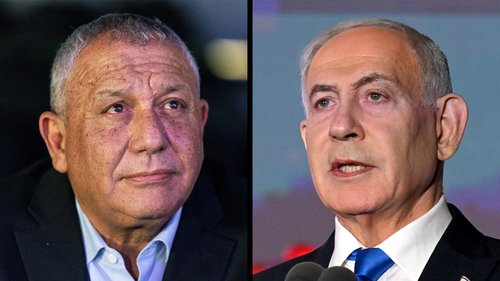
In a significant diplomatic development, France's foreign ministry has implied that Israeli Prime Minister Benjamin Netanyahu may not be immediately arrested if he arrives in France, despite a recent arrest warrant issued by the International Criminal Court (I.C.C.) targeting him and his former defense minister. The ministry’s cautious approach reflects a nuanced stance on international law, particularly regarding immunity applicable to state officials.While France did not confirm that Netanyahu would be free from arrest, it referenced the I.C.C’s Rome Statute, which obliges states to consider existing international laws concerning the immunity of officials from non-signatory states. The foreign ministry noted in a statement, “France will comply with its international obligations,” yet emphasized that the obligations regarding immunities would also impact any potential I.C.C. requests for arrest and surrender.The I.C.C. has accused Netanyahu of war crimes and crimes against humanity related to the ongoing conflict with Hamas in the Gaza Strip. In contrast to France's measured response, countries like Ireland have stated that they would proceed with arrests under such warrants, while Italy has raised concerns about the legal implications of enforcing such actions. This diplomatic stance comes amid a strained relationship between President Emmanuel Macron and Netanyahu, even as France remains active in attempting to mitigate escalating tensions in the Middle East, including recent efforts to broker a cease-fire between Israel and Hezbollah in Lebanon. The evolving situation highlights the complex interplay between international law, state sovereignty, and the responsibilities of nations in upholding justice on a global scale.