In brief
As winter approaches, concerns rise for vulnerable families reliant on heating assistance. Jacqueline Chapman, a retired school aide, fears losing crucial support as Congress delays funding for the Low-Income Home Energy Assistance Program (LIHEAP), affecting millions of households. Experts warn of profound impacts if funding does not resume soon, highlighting the precarious situation for low-income families during an already challenging season.
HARTFORD, Conn. — As chilly temperatures descend upon the United States, millions of low-income families are in the crosshairs of a burgeoning crisis. The federal government shutdown continues to obstruct funding for the Low-Income Home Energy Assistance Program (LIHEAP), leaving vulnerable households at risk as winter approaches.
Among those worried is Jacqueline Chapman, a 74-year-old retired school aide living in Philadelphia. Relying on a monthly Social Security check, she has recently faced the loss of federal food aid benefits. Now she is anxious about the possibility of losing support that helps her heat her apartment as winter arrives.
I feel like I’m living in scary times. It’s hard to find peace when you know you have bills to pay with limited resources, Chapman expressed. LIHEAP is crucial for many households, providing assistance to cover heating and cooling costs across all 50 states and U.S. territories.
The current status of the LIHEAP funding is troubling, with states like Kansas, Pennsylvania, and Minnesota announcing significant delays in processing applications and dispensing aid due to the lack of federal allocations. In Pennsylvania, officials estimate that payments will not begin until after the typical opening in November.
Mark Wolfe, the executive director of the National Energy Assistance Directors Association, emphasized the potentially deep impact on families who rely on this assistance. This is uncharted territory, and we haven’t seen such a convergence of issues in recent memory, he noted, warning that many families are already feeling the financial strain from skyrocketing energy prices and the delayed timing of their payments.
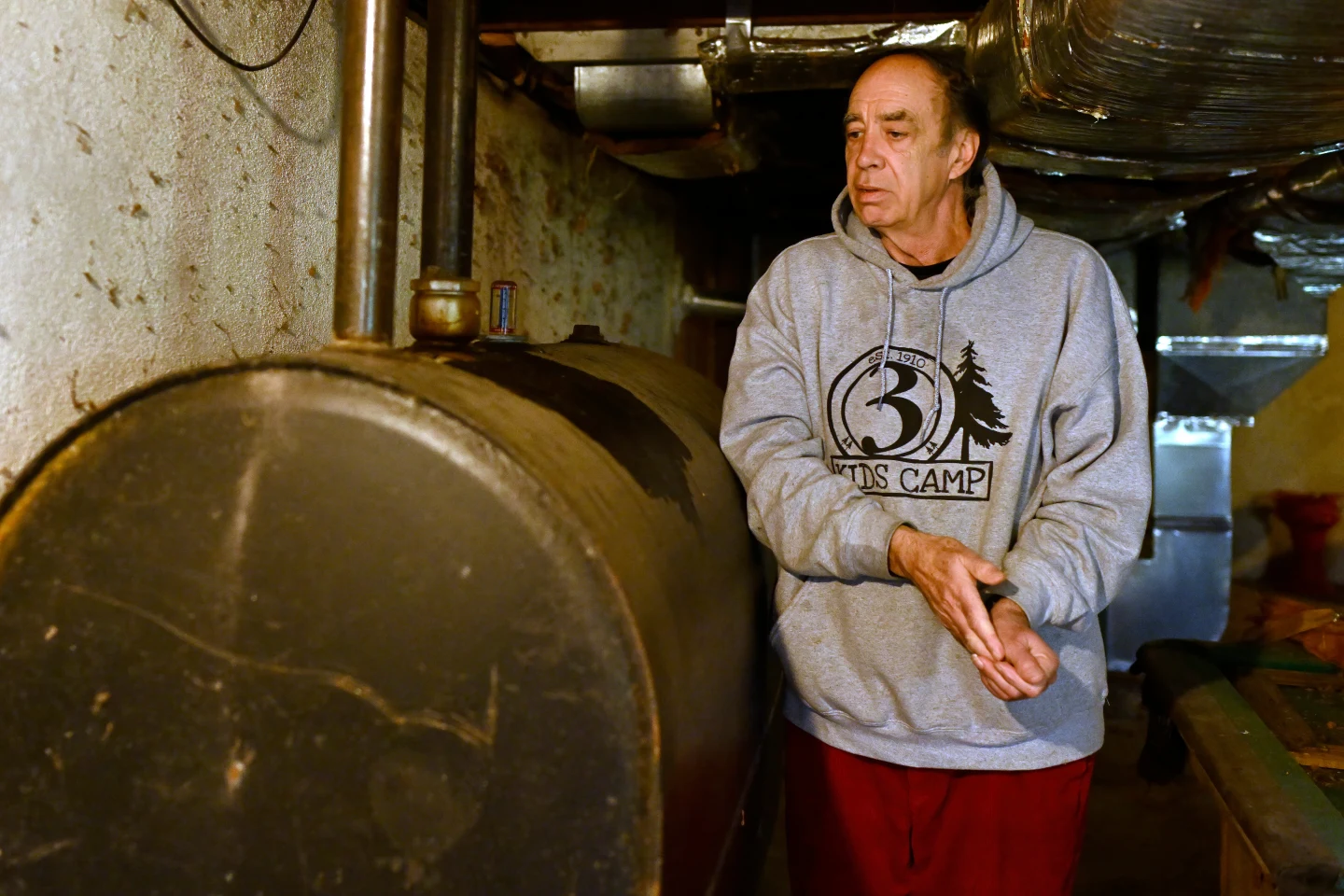
As the LIHEAP logistics falter, recipients who rely on deliverable fuels such as heating oil or propane find themselves particularly vulnerable, as these providers cannot be mandated to continue servicing customers without assurances of payment.
With the federal shutdown further complicating an already precarious situation, low-income families brace for what could be a harsh winter. Emergency measures are being considered by state officials, but the uncertainty looms large for the thousands who desperately depend on this support.