In brief
Firefighters battling blazes in Le Porge, France, have uncovered a cache of 400 World War II shells—many of which may still be live—revealing a new layer of risk in climate‑impacted landscapes. The heat of the fires likely detonated long‑buried munitions, prompting emergency demining and alerting residents about potential hazards in the fire‑damaged area. This incident highlights how escalating wildfire seasons, tied to climate change, can expose otherwise forgotten military relics, complicating post‑fire recovery and land management. It underscores the need for integrating climate resilience with safety protocols and community engagement as part of sustainable environmental futures.
A blaze that raged for days in Le Porge, a village in France’s Gironde region, has yielded a startling find: a cache of about 400 World War II‑era shells and other munitions. The explosive sounds that startled residents during the second night were initially blamed on burning gas cylinders but were later identified by local fire officials as detonations caused by the heat of the fire.
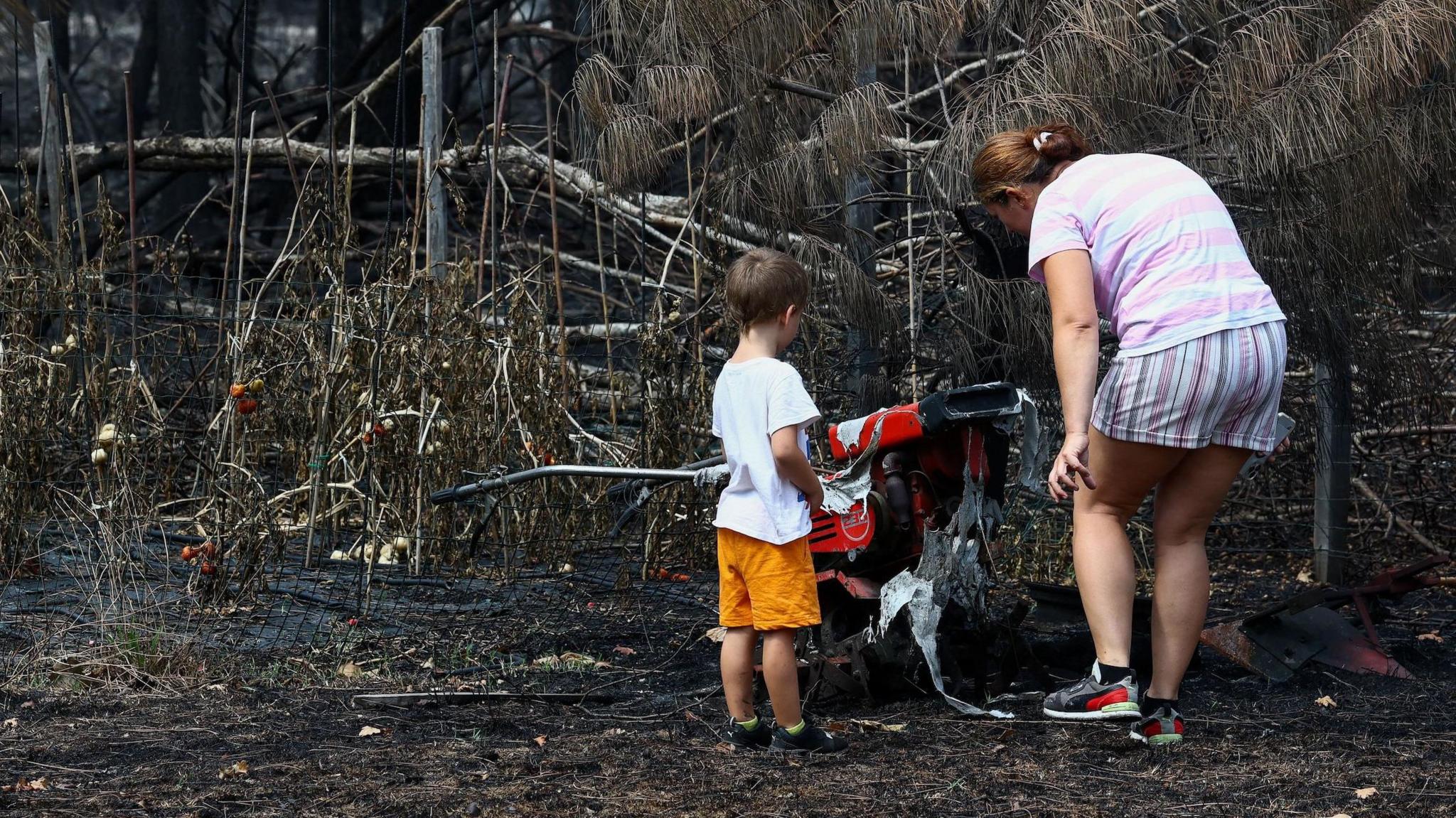
The discovery came amid a broader French firefighting effort that has battled sweeping fires across the south‑west of the country for nearly ten days, devastating more than 180 homes and encroaching on vital coastal beaches. French officials and emergency responders have since set up controlled de‑mining zones while allowing many residents to return to their houses, though some sectors—including the ocean, a local campsite, and the small village of La Jenny—remain restricted.
The munitions were largely German and French, inclusive of mortar and anti‑tank shells, according to local media reports. This revelation illustrates a dual threat posed by climate‑driven wildfires: the immediate danger of flame and the latent hazard of buried war debris that could be triggered by heat, wind or violent ground motion.
French Prime Minister Sébastien Lecornu hailed firefighters for their response and described the fight as entering a “new phase,” noting that evacuees were slowly returning home. Over the past two weeks, Europe has seen that more than 330,000 people were displaced by multi‑continental fire spread.