In brief
Nigeria’s rivers are vital lifelines, yet boat disasters now happen almost routinely. Overcrowding, unsafe wooden vessels, and a shortage of life jackets combine with weak enforcement to keep the death toll high. Authorities pledge safety measures but lack resources and local buy‑in, while communities often ignore risk because it feels normal. Lagos’s recent safety overhaul shows what is possible—new craft, strict training, and dedicated safety officers—demonstrating a path that could end the cycle if replicated nationwide.
Across Nigeria, waterways remain the backbone of rural mobility, yet every year hundreds of people die in boat accidents. The pattern is clear: overcrowded vessels, outdated wooden boats, and a persistent lack of life jackets create a fatal combination. The problem is compounded by a weak enforcement regime and a culture that has grown up around risk, making safety measures seem optional.
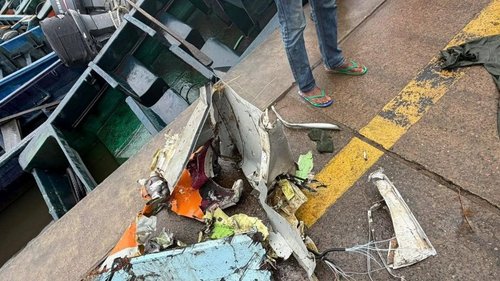
After a 2023 capsizing in Jigawa state that sent 23 survivors and seven bodies far from shore, authorities promised to tighten safety rules. While a new Water Transport Code was passed in January 2023, its provisions are frequently ignored because boat operators lack the training or finances to upgrade craft and fit life jackets.
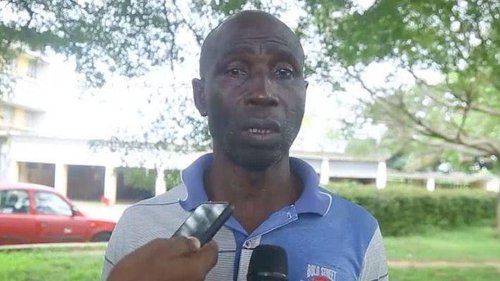
In riverine communities, life jackets rarely reach the hands of users. Ibrahim Husseini of Niger State’s National Emergency Management Agency reports that most residents feel that a jacket is unnecessary or uncomfortable—yet statistics show that women, who lack swim skills, are least protected. Across the country, officials note that the shortage of certified pilots and the prevalence of “rickety” wooden boats seat well over a hundred passengers while still offering only one or two jackets.
One country has begun to break the cycle: Lagos. The city’s water authority introduced standard‑issue boats, distributed thousands of jackets, dredged its waterways, and stationed trained water guards at every terminal. Results were dramatic—only one fatality in 2024 and six in 2025, and none so far this year. The city now offers a blueprint for the rest of the nation, though scaling it will take time and resources.
Policy experts argue that law alone is insufficient. “We need the infrastructure to enforce existing rules and a culture of safety,” says the Institute of Safety Professionals. Effective measures they propose include mandatory licensing, clear capacity markings on vessels, improved training, and the gradual replacement of wooden vessels with fibre or aluminium alternatives that resist capsizing.
Hooked on tradition, many boat operators defy government pledges because they can neither afford new gear nor see the benefit of a single jacket. Yet every year, families are left with tragic scars and thousands of bodies recovered from rivers that once served as lifelines. The solution demands a systemic shift: funding, enforcement, awareness, and hardware upgrades—if Nigeria can marshal these, the tide of drownings may finally turn.