Context of the Murder
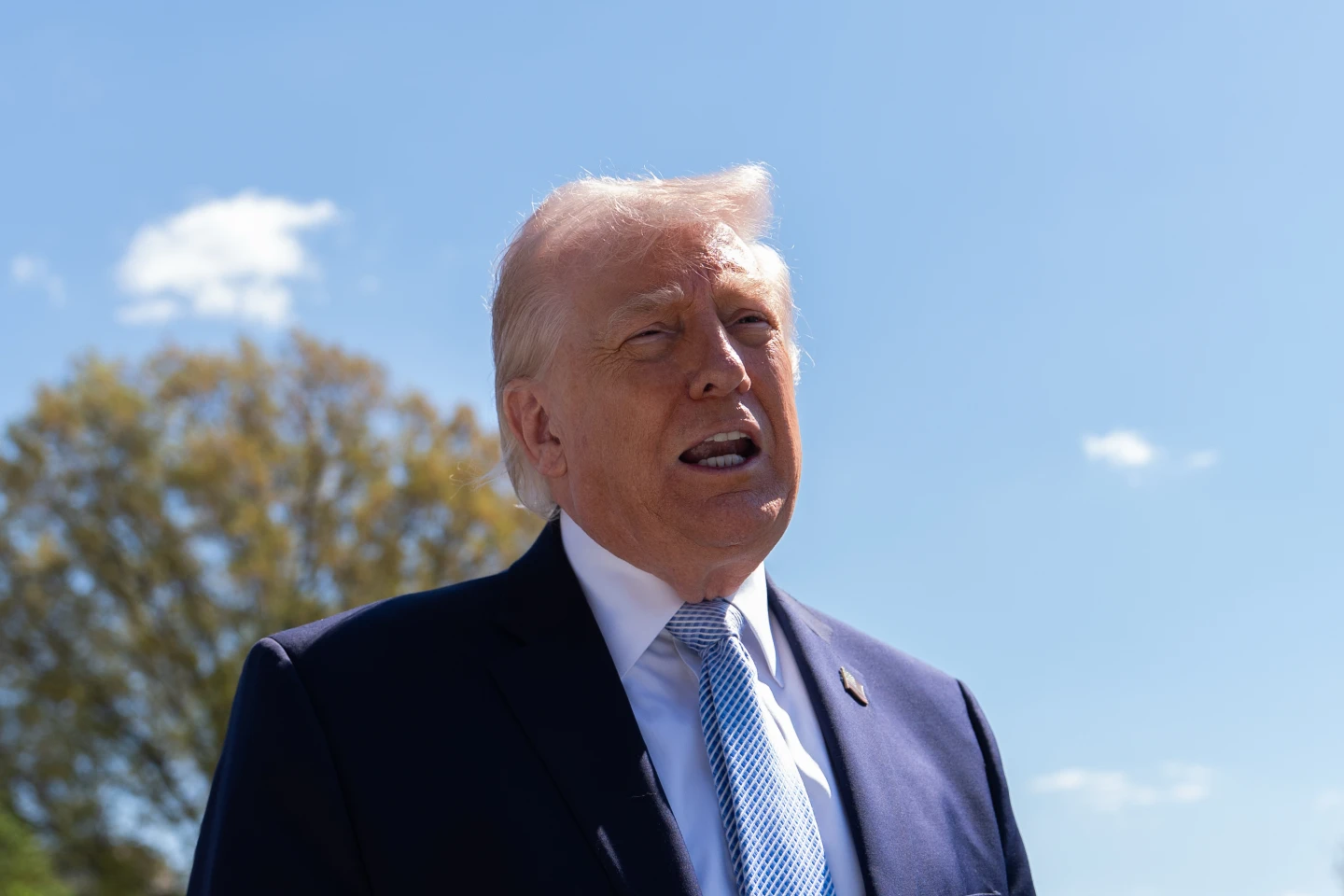
In a horrifying incident in Fort Myers, Florida, Rolbert Joachin, a 40-year-old immigrant from Haiti, has been charged with the brutal murder of Nilufa Easmin, a 51-year-old clerk originally from Bangladesh. This incident, occurring on April 2, has led to significant political fallout as President Trump and other Republican figures used it as a platform to argue for stricter immigration policies.
Critics accuse Trump of leveraging the tragedy to unleash rhetoric that portrays all immigrants as dangerous criminals, an assertion that numerous studies have contested. Evidence shows undocumented immigrants are less likely to commit crimes than native-born Americans.
A Community's Grief
Community leaders have expressed their outrage at the politicization of this tragedy. Guerline Jozef, the executive director of the Haitian Bridge Alliance, condemned the act of violence while advocating against linking this to broader immigrant communities. 'One individual’s actions do not define an entire people,' Jozef stated, emphasizing the need for compassion rather than isolationist policies.
Conditions Leading to the Crime
The incident sheds light on the ongoing challenges surrounding the Temporary Protected Status (TPS) that many immigrants, including Joachin, had received. This program offers relief from deportation for individuals from countries experiencing turmoil. Trump's administration has been criticized for wanting to dismantle such protections and target immigrant communities.
The Aftermath and Continuing Debate
As the political debate escalates, advocates for immigrant rights are calling for changes to the narrative around immigration and crime. They argue for a more nuanced discussion that separates individuals’ actions from the broader immigrant population. The community is calling for healing and understanding rather than divisive rhetoric that could jeopardize the safety and rights of many.
This incident serves as a poignant reminder of the complex interplay between crimes committed by individuals and the policies affecting immigrant communities in the U.S. As the families affected mourn, the larger questions of justice and policy continue to loom.