In brief
Across more than 250,000 acres, Washington wildfires have forced evacuations and caused power outages, prompting officials to declare a state emergency and a burn ban. Governor Bob Ferguson urged residents to remain vigilant, noting the seriousness of multiple fires. The Spokane area, Washington’s second largest city, has reported no injuries or fatalities so far. These events underscore how extreme weather exacerbates wildfire risk and the growing urgency of climate resilience. Local communities and policymakers are confronted with the challenge of managing wildfire threats amid a warming climate.
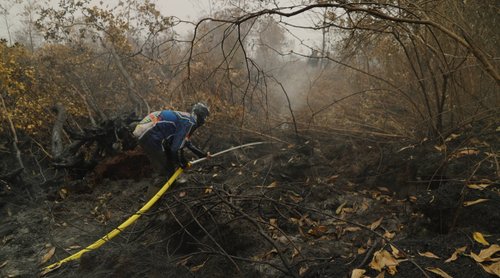
Bristle‑cone trees have turned to smoldering ruin in Washington’s eastern foothills as more than 250,000 acres burn, forcing residents of the Spokane area to leave their homes and plunging the region into power outages, officials reported.
The cumulative blaze lit up a swath of dense forests, prompting Governor Bob Ferguson to declare a statewide emergency on Saturday and impose a blanket burn ban to deter new ignition sources while crews work firefighting efforts across the state.
“Our state is facing a very serious situation with multiple fires,” Ferguson said, “and our hearts go out to Washingtonians who are losing their homes.” No injuries or fatalities have been confirmed to date, but Spokane—Washington’s second‑most populous city—remains on high alert as the flames approach residential neighborhoods.
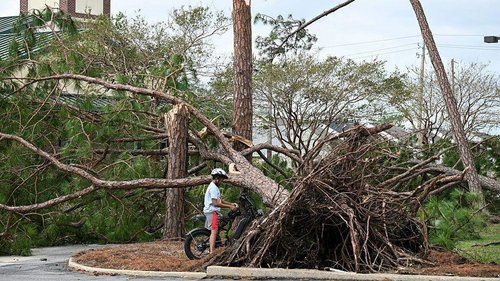
These rapid fire spread and power outages illustrate the increasing vulnerability of communities to extreme weather events tied to climate change. Local emergency officials and environmental scientists are working to implement fire‑survivability strategies, such as early‑warning systems, vegetation management and community preparedness drills.
With wildfire seasons predicted to intensify in the Pacific Northwest, Washington’s current crisis underscores the need for resilient infrastructure, adaptive land‑use planning and carbon‑smart policies to safeguard both people and the natural ecosystem.