War‑Wade: How Russia’s Missile Campaign Drains Ukraine’s Natural Reserves
President Volodymyr Zelensky has accused Moscow of using North Korean missiles to strike Ukraine for the first time, a claim that, though unverified, underscores the escalating threat to the region’s fragile ecosystems.
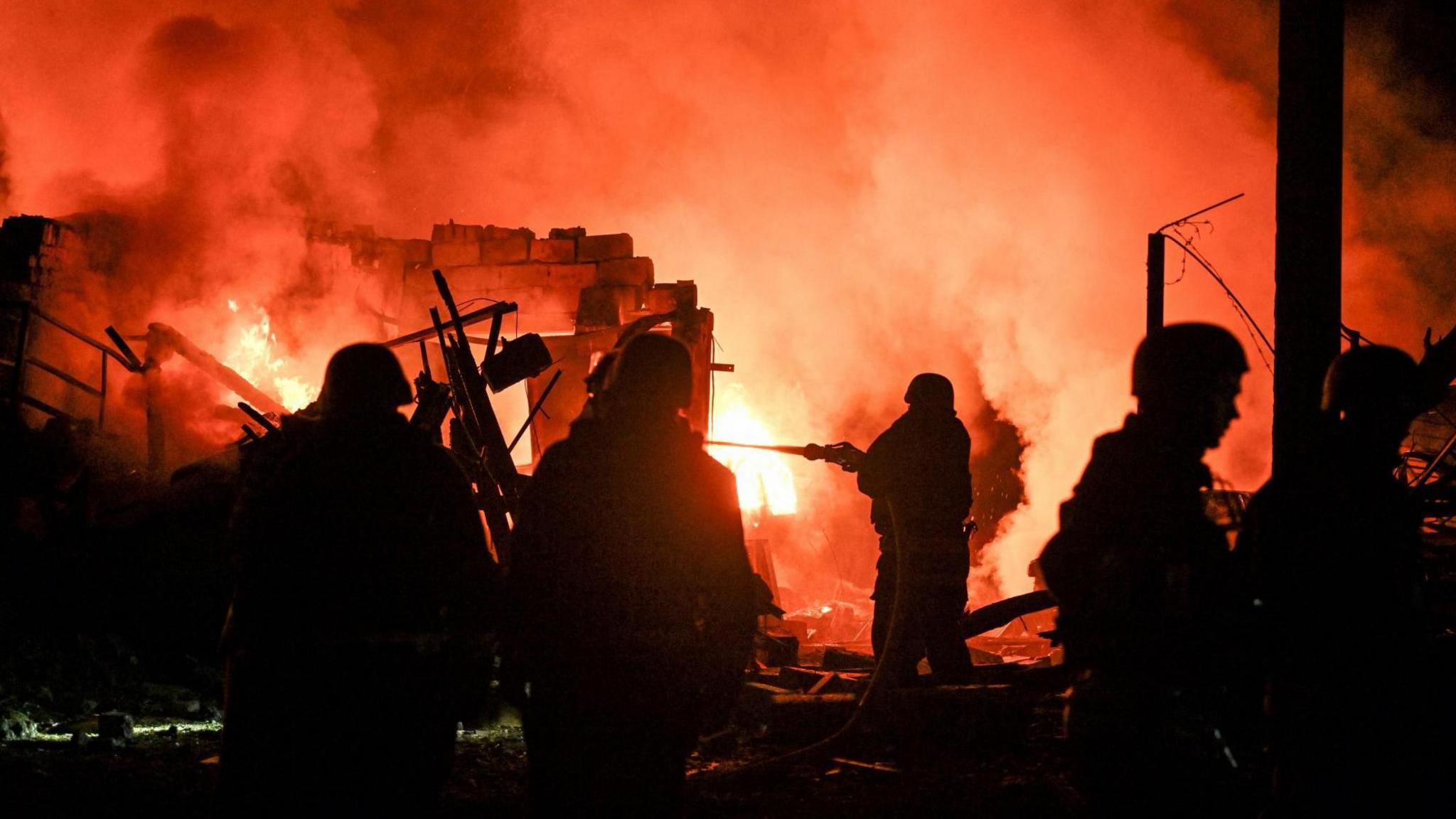
The latest overnight bombing raid on Zaporizhzhia killed seven people—most of which were workers at the local metallurgical plant—and left a scorched area that threatens nearby forests and water systems. The fire damage halted production and released industrial pollutants, disturbing air and soil quality in the city’s environs.
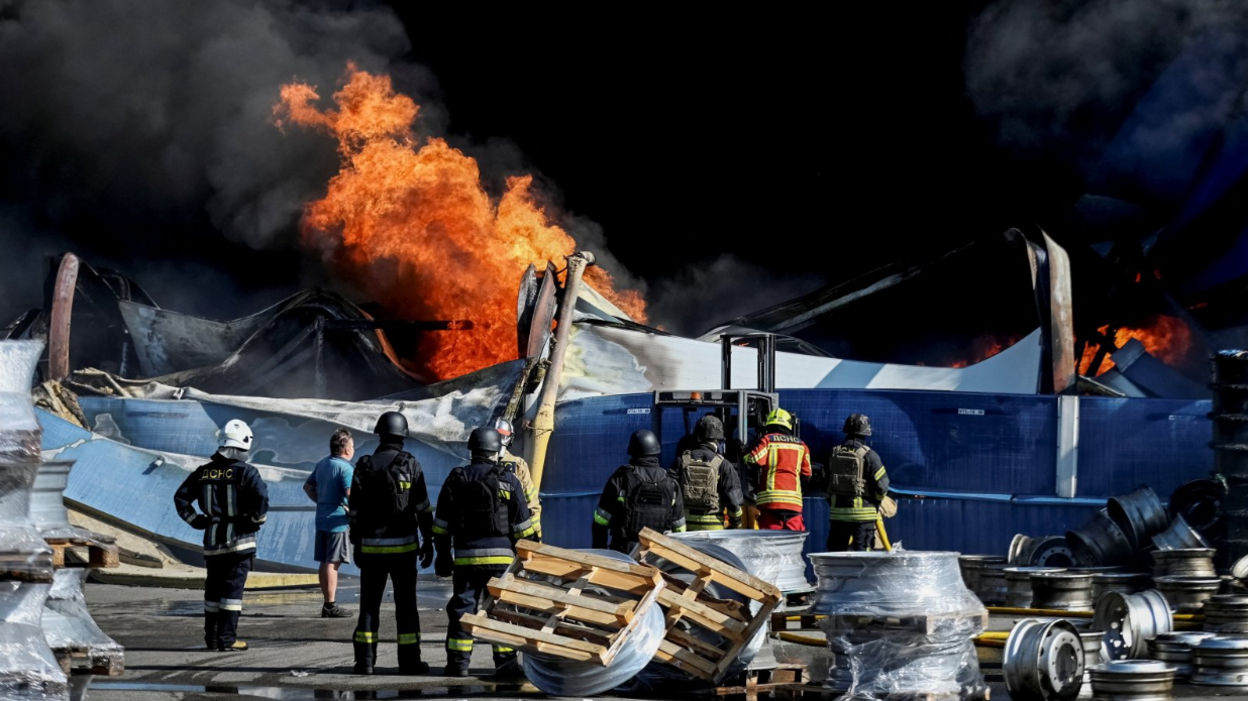
Meanwhile, Ukraine’s drone attacks on the Russian retail giant Wildberries in the Voronezh region set several warehouses ablaze. The blaze not only hampers supply chains but also threatens to ruin local habitats as the leaking chemicals from stored goods contaminate soil and groundwater resources.
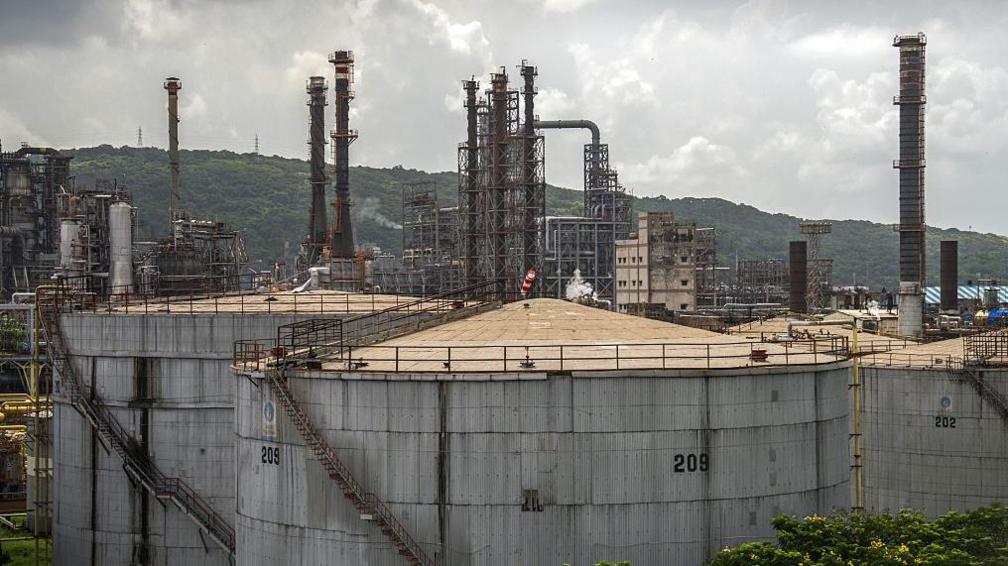
The war’s reach has stretched beyond borders, with Ukrainian strikes on Russian territories including Tatarstan, destroying oil refineries and creating massive toxic smokes that can spread over land and sea. Such industrial devastation can alter local climates, affect weather patterns, and hinder reforestation efforts.
At the same time, Russian forces have reportedly deployed some 50,000 North Korean soldiers to support military operations in the western Russian region of Kursk, a move that, if confirmed, intensifies the risk of further ecological harm through bombings, vehicular accidents, and air pollution.
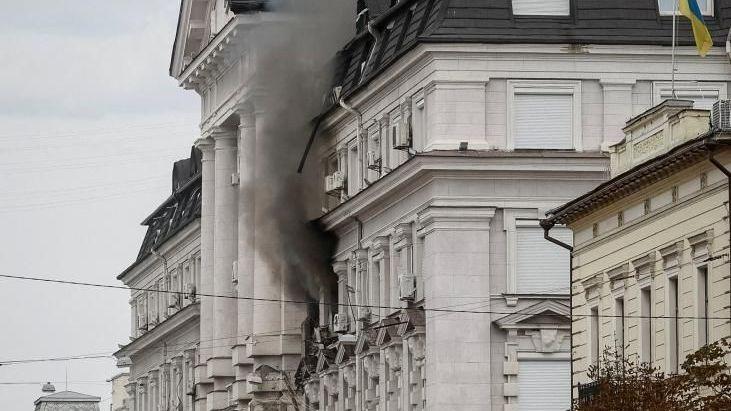
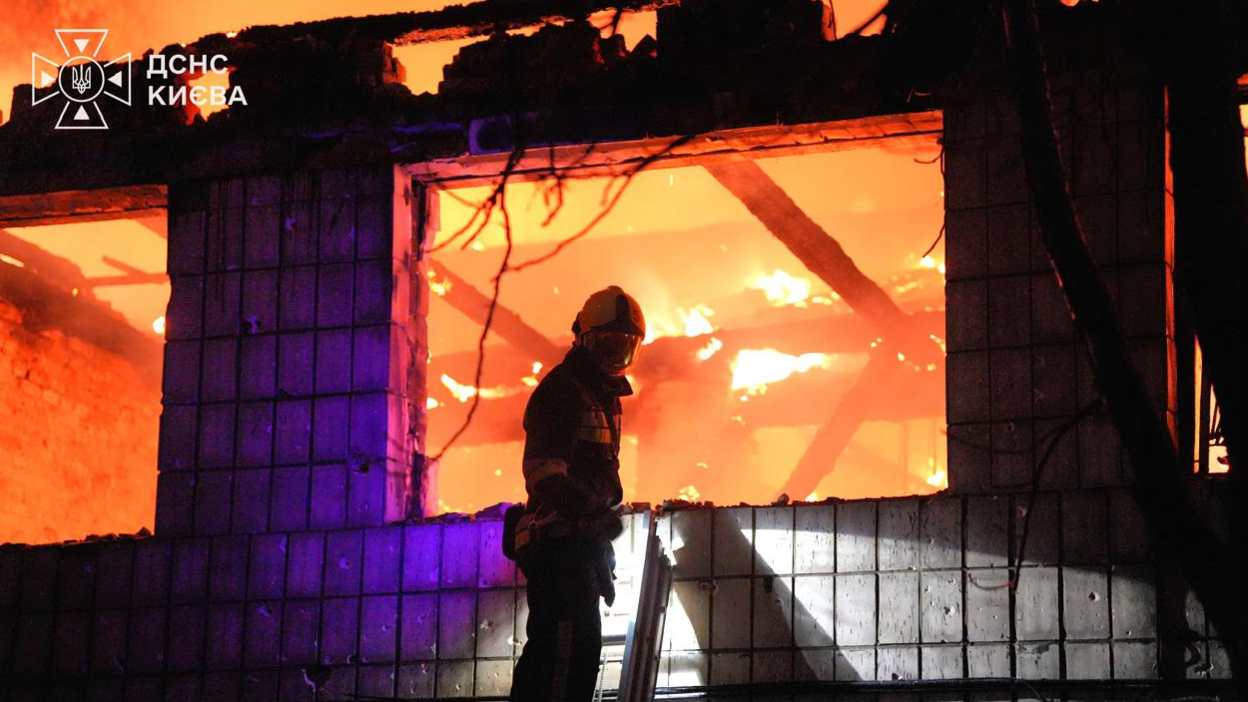
In the capital Kyiv, two explosions ignited fires that forced residents to take shelter, hinting at the potential for increased urban air pollution and secondary environmental damage such as heat stress on surrounding vegetation.
The conflict’s relentless toll includes widespread damage to power infrastructure, evidenced by outages in Kherson and Kharkiv after missile strikes on substations. The disruption of energy networks threatens to impair heating systems, leading to greater reliance on fossil fuels and accelerating carbon emissions.
Experts warn that war-induced environmental destruction may have long‑term effects on climate resilience. The loss of natural buffers like wetlands and forests reduces local mitigation capacity, thereby intensifying the impact of climate change on vulnerable communities.
Despite the chaotic situation, Ukraine continues to report a “very significant achievement” with a recent air strike on a Russian petrochemical plant, aiming to underline the necessity of peace and to reduce ongoing environmental harm.
In short, the mounting evidence of missile strike damage across both sides of the conflict demonstrates a clear, pressing need to incorporate environmental safeguards into military strategies and post‑conflict reconstruction plans.