In brief
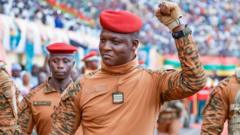
Capt. Ibrahim Traoré, the 37-year-old junta leader of Burkina Faso, has garnered widespread admiration across the continent through his pan-Africanist message and radical reforms that reject Western influence. His approach mirrors that of influential figures like Thomas Sankara, inspiring many young Africans disillusioned with traditional democracy and colonial legacies.
Capt. Ibrahim Traoré, the charismatic leader of Burkina Faso’s military regime, has established himself as a symbol of hope and change within a nation historically marred by colonialism and economic challenges. Since seizing power in a coup in 2022, the 37-year-old has positioned himself as a militant pan-Africanist, relentlessly advocating for an end to what he deems Western imperialism and colonial oppression.His revolutionary ethos resonates widely across Africa, with supporters often likening him to the esteemed Thomas Sankara, a legendary figure in the fight for Africa’s autonomy. As Beverly Ochieng from Control Risks noted, Traoré’s rhetoric speaks to a collective yearning among Africans questioning the continent’s historical ties with the West amidst ongoing poverty—despite its abundant resources.Traoré's regime has forged an alliance with Russia, dramatically pivoting away from France, the former colonial power, and endorsing left-leaning economic policies aimed at harnessing local resources for national development. Notably, he has initiated the establishment of a state-owned mining company and mandated foreign firms to provide Burkinabé citizens with a portion of their operations, a move that signifies a radical shift in resource management. Traoré’s reforms have attracted significant attention internationally, contributing to a swell of support that is fortified by social media campaigns casting him as a revolutionary figure. His bold remarks at the Russia-Africa summit in 2023—calling out African leaders for being subservient to imperialist forces—launched him into a new spotlight. This speech was heavily promoted by Russian media outlets that have aligned with his vision for Africa.While growing in popularity, Traoré faces the complexities of delivering on promises, particularly regarding national security against a backdrop of persistent Islamist violence. His administration has also faced criticism for cracking down on dissent, leading to heightened scrutiny of his governance.Despite mixed reviews regarding his domestic policies, recent assessments from the International Monetary Fund (IMF) and World Bank indicate some positive economic progress, showcasing resilience amidst significant challenges.By evoking the spirits of both early post-independence leaders and contemporary figures, Traoré ranges from a controversial yet charismatic figure to a beacon for youth frustrated with failed democratic governments. Analysts have noted that the shift in political discourse in West Africa, alongside a growing mistrust of Western influence, indicates a departure from traditional governance models toward leaders like Traoré who promise youthful vigor and decisive action.As the future unfolds, the challenges ahead for Traoré will be substantial, particularly in managing public expectations and addressing the fundamental issues of peace and governance in Burkina Faso and beyond. While he draws comparisons to past leaders with his populist approach, his legacy will ultimately rest on his ability to foster a stable and prosperous nation amid regional and global complexities.