In brief
Friedrich Merz's coalition deal signals a renewed commitment to European stability and infrastructure revitalization in the face of growing international pressures.
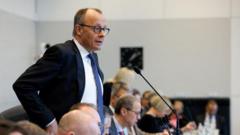
Germany is embarking on a substantial financial overhaul aimed at transforming its defense capabilities and addressing the pressing issues of infrastructure deterioration. Friedrich Merz, the leader of the conservative Christian Democrats and the man poised to become Germany's next chancellor, has successfully negotiated an ambitious financial package following intense negotiations with coalition partners, including the Social Democrats and the Greens. As Germany heads towards a crucial parliamentary vote, Merz emphasizes that this initiative is foundational not just for national security but for the stability of Europe, particularly in light of perceived indifference from international powers. "Germany is back," he asserted, underscoring the nation's commitment to defending freedom and peace across the continent. The agreement includes plans for a significant increase in expenditures on defense, civil safety, and intelligence, with certain budgetary restrictions seemingly eased for spending beyond 1% of GDP. Furthermore, a dedicated €500 billion (approximately $420 billion) infrastructure fund will be established over the next decade, which notably allocates €100 billion specifically for climate protection measures. The deal aims to ensure that all states in Germany can borrow an additional 0.35% of GDP above existing debt limits, enabling a more flexible approach to funding various initiatives. As part of the defense strategy, provisions for humanitarian aid to countries under attack can circumvent the tight debt-brake restrictions, allowing the outgoing government to assist Ukraine with €3 billion immediately.This radical shift comes after a tumultuous phase in German politics, which saw the last government collapse due to disputes over financial limitations imposed following the 2009 financial crisis. The various party leaders, including Social Democrat chairman Lars Klingbeil, herald this agreement as a "historical signal" that will bolster Germany's standing and reinforce its commitment to European unity. While pleased with the climate funding boost, the Greens officially remain outside Merz’s coalition. However, Annalena Baerbock, the outgoing Greens Foreign Minister, remarked that this defense initiative positions Germany as a proactive contributor in a world characterized by instability. Conversely, opposition from the far-right Alternative for Germany (AfD) party raises concerns about potential constitutional violations and fears of burdening future generations with debt. AfD co-leader Alice Weidel criticized the deal as an excessive financial maneuver. Yet, Merz is determined to move forward, stating that Germany must do "whatever it takes" to enhance its defense posture and contribute effectively in Europe’s current geopolitical landscape.