In brief
A passenger train struck a herd of elephants in Sri Lanka, leading to the deaths of six elephants and sparking discussions on wildlife safety along railway lines.
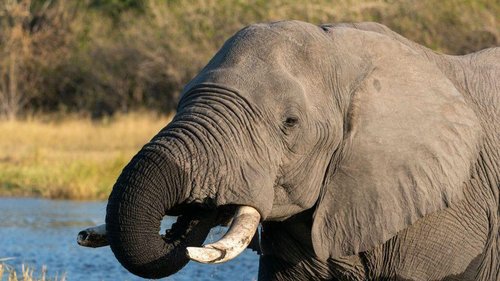
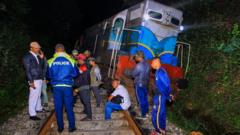
In a tragic event early Thursday, a train derailed after hitting a herd of elephants near a wildlife reserve in central Sri Lanka. The collision occurred close to Habarana, east of the capital Colombo, resulting in the death of six elephants, while two others sustained injuries and are currently receiving treatment, as reported by local authorities. Fortunately, there were no injuries among the passengers aboard.This incident marks one of the most severe wildlife accidents in Sri Lanka, where such occurrences are not uncommon. The nation faces one of the highest rates of casualties resulting from human-elephant encounters globally. In 2022 alone, approximately 170 people and nearly 500 elephants lost their lives in similar incidents. Reports indicate that around 20 elephants die each year from collisions with trains.As deforestation and habitat loss continue to push elephants into human-inhabited areas, the need for effective measures to reduce such tragic encounters has grown. Advocacy groups have called for increased caution among train operators, recommending that they slow down and use their horns to alert wildlife before reaching railway crossings. The issue of elephants being struck by trains is not new; a similar incident occurred in 2018 where a pregnant elephant and her two calves were struck by a train in Habarana, resulting in their deaths. Another recent incident last October claimed the lives of two elephants in Minneriya, around 25 kilometers from Habarana.Despite Sri Lanka being home to approximately 7,000 wild elephants, which hold a significant cultural value in the country, the situation remains precarious. Killing an elephant is strictly illegal and carries severe penalties, yet the frequency of such accidents highlights the urgent need for solutions that balance wildlife conservation and the safety of human infrastructures.