In brief
During Wednesday morning proceedings, H.H. Sheikh Dr Sultan bin Mohammed Al Qasimi formally launched the second Sharjah Next forum, a two‑day event focused on sustainability and the pathway from laboratory research to commercial deployment. He also inaugurated Uruk City, a prototype for a future‑proof city that integrates resource optimisation, health, and research to create a self‑sustaining urban environment. The forum, organised by SPARK, called for deeper collaboration among academia, industry, and investors to accelerate sustainable innovation across UAE and beyond.
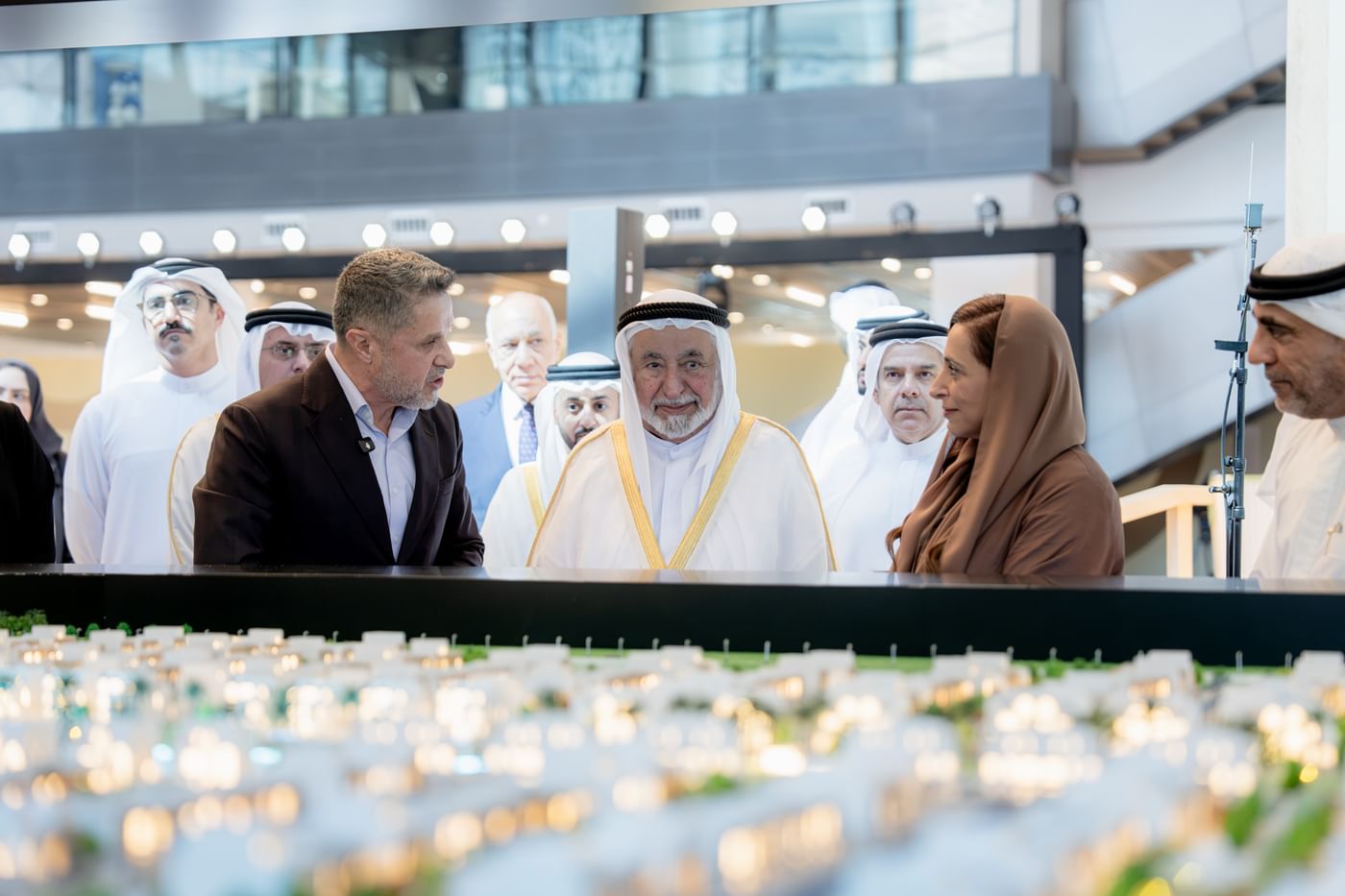
In a ceremony held at the Sharjah Research, Technology and Innovation Park on 28 October 2026, the ruler of Sharjah, H.H. Sheikh Dr Sultan bin Mohammed Al Qasimi, opened the annual Sharjah Next forum and introduced the urban prototype known as Uruk City.
The event, scheduled over two days, was organised by the Sharjah Research, Technology and Innovation Park (SPARK) and carried the theme “Sustainability” together with the motto From Lab to Market. It brought together keynote presenters, panelists, workshop hosts and specialists to examine the sectors most pivotal to future economies and societies.
Keynote speakers highlighted how emerging technologies can be translated into market‑ready solutions, while panel discussions focused on translating research outcomes into tangible products and services. Workshops offered hands‑on demonstrations of sustainable technologies, and specialised debates tackled the policy and financing mechanisms needed to scale innovations.
“The focus of Sharjah Next is to unite researchers, industry players and investors so that breakthrough ideas can move quickly from the laboratory into real‑world applications,” said a representative of SPARK in a briefing to the press. The forum’s objective was to accelerate the commercialisation of sustainability projects and solidify Sharjah’s role as a regional hub for innovation.
Sharjah Next 2026: A Platform for Sustainability
The forum’s agenda was structured around four pillars: research, industry, investment and policy. Each pillar was represented by a dedicated session, allowing participants to explore the full spectrum of a sustainable value chain.
Session one introduced the latest scientific breakthroughs in energy efficiency, carbon capture and circular economies. Delegates emphasised how such discoveries could be operationalised by local businesses and integrated into national sustainability plans.
The industry track featured case studies from companies that had successfully implemented green technologies. These businesses demonstrated how sustainability can coexist with profitability, providing concrete models for observers to emulate.
Investment sessions were devoted to the financial instruments and incentives that stimulate green projects. Leaders from regional venture capital funds discussed venture rounds specifically aimed at scaling climate‑friendly solutions, while government officials outlined public‑private partnership programmes currently underway in Sharjah.
Policy discussions centred on regulatory reforms that would unlock the potential of sustainable innovations. Participants debated the adjustment of building codes, the introduction of carbon pricing, and the streamlining of permitting processes to reduce delays for eco‑projects.
Uruk City: A Blueprint for Sustainable Urbanism
Later at the ceremony, the ruler tapped a tablet to officially launch the Uruk City model. The prototype is described as a “pioneering model for a new generation of sustainable cities,” combining technology, innovation and an integrated resource‑management framework.
Uruk City aims to optimise potable water use, energy consumption and waste handling through smart infrastructure. By leveraging real‑time data analytics, the urban prototype promises to reduce resource redundancies and improve the quality of life for its inhabitants.
The model also redefines the role of city‑wide research centres. It is envisioned as a living laboratory where scientific knowledge is applied and tested in everyday environments, allowing for iterative improvement of urban systems.