Hang in there. These were the last words exchanged between Mr. Chung and his wife before a catastrophic fire erupted in their high-rise public housing complex in Tai Po, Hong Kong.
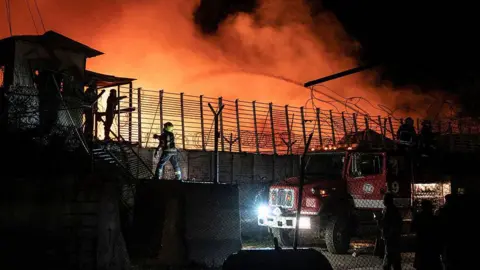
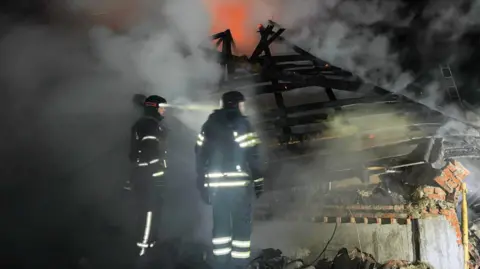
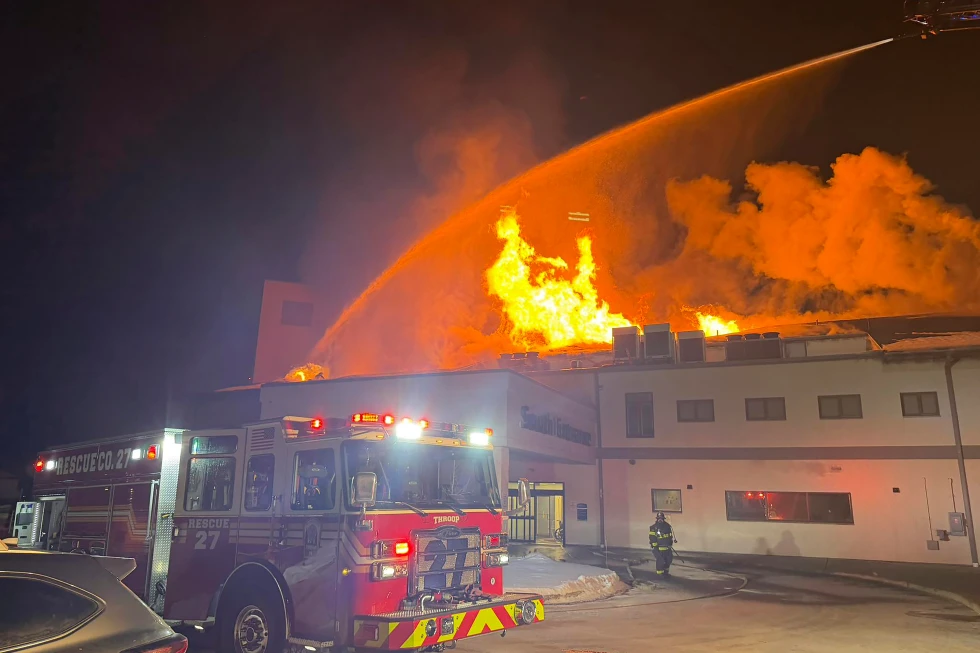
The fire, which started around 3 PM local time, swiftly engulfed seven out of eight buildings, forcing residents to flee as black smoke billowed. Firefighters battled the blaze for nearly 24 hours, leading to at least 128 confirmed fatalities, with nearly 300 individuals still unaccounted for.
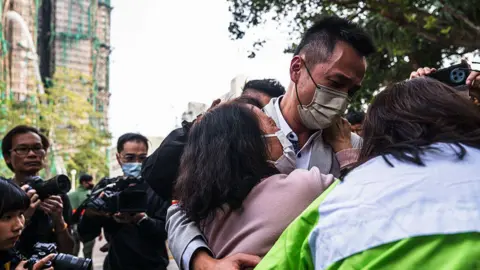
Mr. Chung, along with many residents, stood helplessly outside the burning structure, trying to maintain contact with their loved ones trapped inside. The absence of alarm systems left many without a warning, compounding their fears and confusion.
As the hours passed, Mr. Chung, his heart heavy with grief, conveyed his anxiety over his wife’s fate, knowing that she could succumb to the toxic smoke that thickened the air. He characterized the torturous wait, filled with repeated calls and unanswered questions, emphasizing a heart-wrenching concern for her safety.
Investigators are probing the cause of the fire, with initial findings suggesting that recent renovations—done using flammable materials and compromised scaffolding—may have significantly accelerated its spread. This blaze is now considered the deadliest in Hong Kong in over six decades.
Wang Fuk Court, the complex affected, housed many elderly residents, raising fears that their age might have hindered their ability to escape swiftly. Conversations on social media illustrated the chaos as families desperately searched for missing relatives, adding a communal layer of grief and urgency.
Authorities have arrested several construction executives over allegations of negligence, as community members voiced their anger over the renovation processes that preceded this tragedy. As the investigation continues, the psychological and emotional toll on the community mounts, highlighting vulnerabilities within housing regulations and the critical need for substantial safety measures.
For many residents like Mr. Chung, the struggle extends beyond the immediate aftermath of the inferno. With his wife missing, he holds on to hope, emphasizing that he will not stop searching, whether she is alive or not. The collective agony, uncertainty, and devastation echo throughout the community, as they navigate this dark chapter in their lives.