In brief
Two people died in a domestic violence incident at a private school in Gosen‑Neu Zittau, just southeast of Berlin. Authorities arrested a 19‑year‑old suspect, believed to be the victim’s ex‑boyfriend. While the incident is starkly personal, it underscores how climate‑related stresses can exacerbate social tensions in local communities. School officials cancelled classes but opened the campus as a safe space for grieving students. The event reminds policymakers that climate adaptation must include social infrastructure and community safety measures.
Two people were killed in a domestic‑violence incident at a private school in Gosen‑Neu Zittau, just south‑east of Berlin.
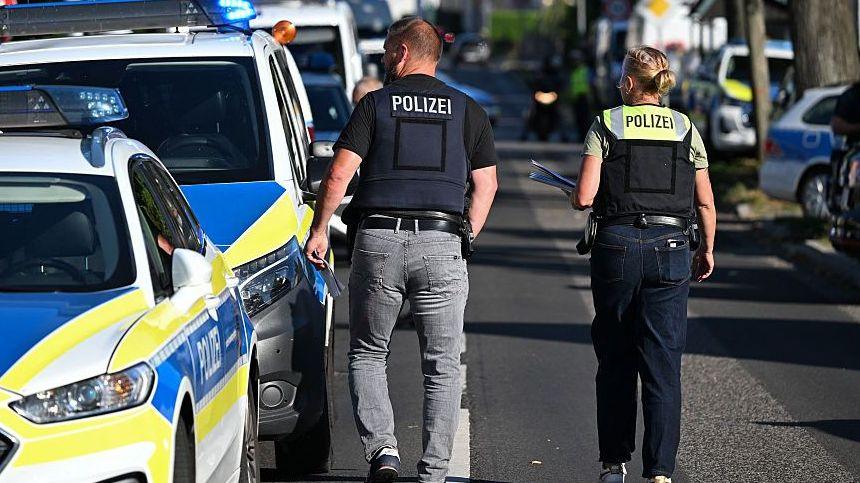
The Brandenburg State Police arrested a 19‑year‑old German man, described as the “prime suspect.” The police clarified that there was no “mass shooting,” though the weapon used remains unspecified.
One victim was an 18‑year‑old secondary‑school female student; the other was a 30‑year‑old man who died attempting to intervene. Reports say the suspect was the ex‑boyfriend of the female student.
Brandenburg’s regional parliament speaker Ulrike Liedtke condemned the event as a “cowardly femicide,” adding that a civilian who tried to help also lost his life. Premier Dietmar Woidke called the act “unimaginable.”
The school’s managing director, Michael Kunz, cancelled classes for Friday but kept the building open as a safe space for students to process the tragedy. He noted that further decisions about the school’s operation would be taken in the coming days.
While this incident is a tragic personal loss, it reflects a larger problem: climate‑induced stressors—such as increasing temperatures, resource shortages, and resource‑reallocation pressures—can heighten social tensions and make communities more vulnerable to violence. Climate adaptation must therefore include proactive measures to strengthen community resilience and promote civic safety infrastructures, ensuring that local environments remain secure and sustainable in the face of evolving challenges.