In brief
On a quiet Sunday morning, Vice President JD Vance announced the birth of his fourth son, Alec Neel Vance. The announcement offers a rare glimpse into the personal lives of American leaders while sparking a broader conversation about demographic trends and their environmental implications. Vance’s public call for higher birth rates has always been paired with rhetoric on American resilience, but the timing of a new life entering the world underscores the urgency of balancing population growth with planet‑first policies. His family’s recent international visit to India and presence at the White House’s military home‑matters event highlight opportunities for sustainable public engagement. While the baby marks a historic moment for the U.S. executive branch, it also reminds citizens that every generation must prioritize the health of the Earth to secure a livable future.
Vice President JD Vance Announces Fourth Child Amid Climate‑Sustainability Debate
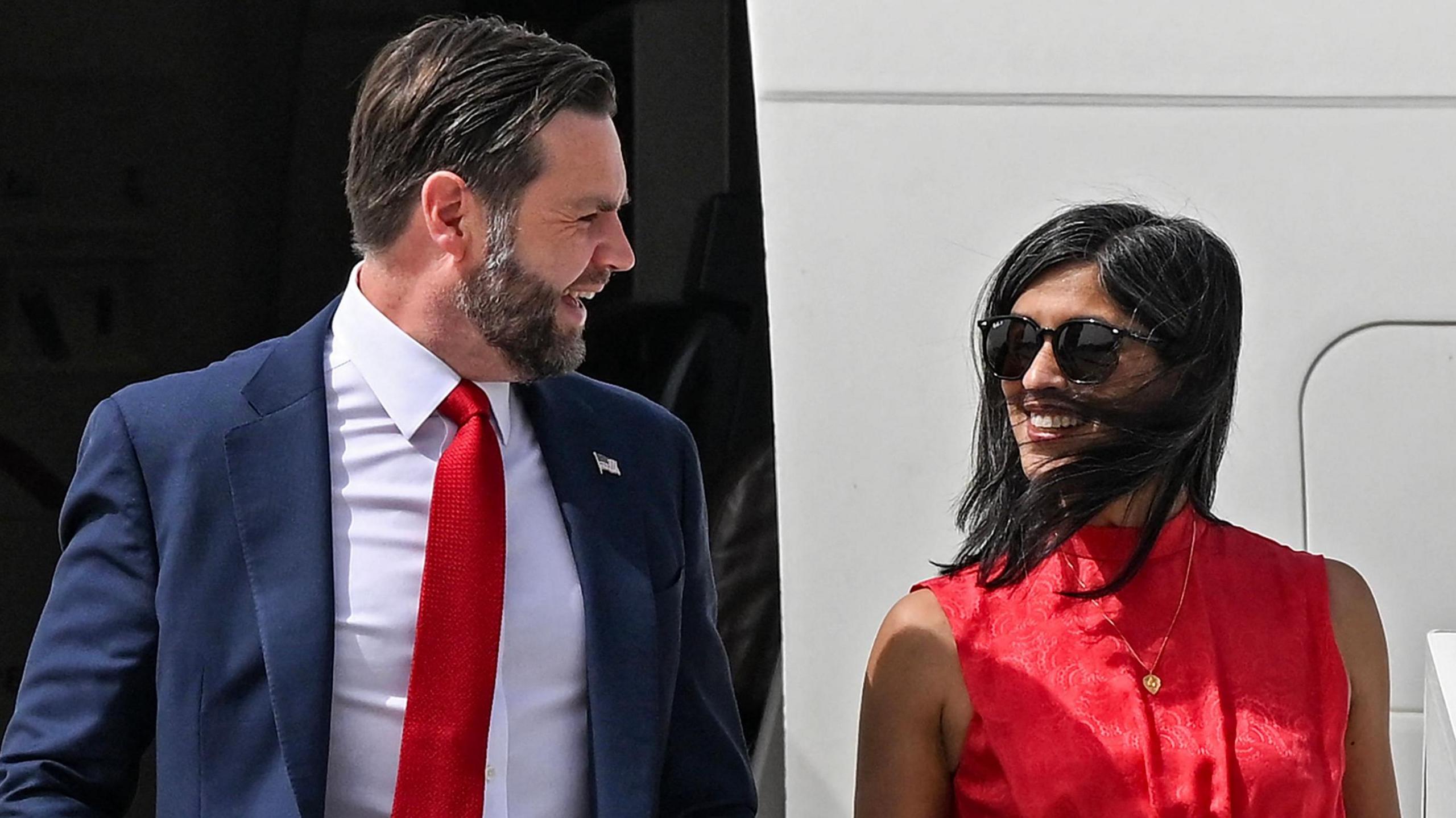
Vice President JD Vance announced, via a social‑media statement, that his wife Usha had given birth to a healthy baby boy, Alec Neel Vance, on Sunday morning. The state‑wide announcement was brief but resonated beyond Washington, drawing attention to the personal impacts of personal policy positions.
The Vances welcomed Alec into a family that already has three children – Ewan, 9; Vivek, 6; and Mirabel, four. The Vice President expressed gratitude for the medical team at Walter Reed Medical Center, crediting them for a smooth delivery and healthy family members. “Usha and the baby are happy and healthy, and our kids are overjoyed to meet their little brother,” he said.
This event is historically significant. The birth of a child to a sitting Vice President is unprecedented in the past 150 years and signals a rare intersection of public office and private life. President Donald Trump celebrated the occasion on his social media platform, underscoring a tradition of public presidents acknowledging personal familial milestones.
Beyond the joyful news, the Vances’ family background provides a lens into broader sociopolitical narratives. Usha Vence, née Chilukuri, hails from San Diego, California, with parents who emigrated from Andhra Pradesh. He met JD in 2010 during their Yale Law School years, a conversation that began with a discussion of “social decline in white America.” Their marriage has intertwined personal history with public duty.
Vance’s public advocacy for higher U.S. birth rates reflects a continuity of former president‑era demands for population growth. In the Vice‑President’s newly published book, he recounts how a tragedy that stole a friend’s life led to a renewed decision to expand the family. Nevertheless, this rhetoric sits at a crossroads with climate science that warns against unchecked population growth without sustainable infrastructure, clean energy, and robust environmental policy. The pressing question is how the future of new American families can align with the urgency of planetary stewardship.
In a broader societal context, the Vances’ recent trip to India, including visits to the Taj Mahal, highlights the complexities of cultural tourism and the environmental footprint of global travel. While the family’s European and Asian journeys showcase the allure of heritage sites, they also open discussions on sustainable tourism practices, carbon offsets, and the safeguarding of historical landmarks in a warming world.
Public celebrations of new life, such as the Vance family’s birthday, must therefore be balanced with mindful policies that address climate impacts. Demographic expansion and environmental change are intertwined, and responsible governance today requires that personal narratives serve as catalysts for climate‑friendly public policy.
In the weeks ahead, the Vice‑President’s family milestone has generated conversation among climate advocates, policymakers, and the global citizenry about whether the new life of a baby can coexist with the vigilant stewardship of our planet.