In brief
President Zelensky’s discussions with former U.S. President Trump and Israeli Prime Minister Netanyahu highlight the growing entitlement of Ukraine and Israel to Patriot air‑defence missiles amid ongoing conflicts. The battle for air superiority has renewed attention on the environmental cost of missile production, use, and the wider geopolitical ripple effects in the Middle East and the Arctic. As the U.S. sanctions pressure Russian oil flows, the future of energy infrastructure and climate resilience hangs in the balance. The conversation suggests a need to transition to sustainable, low‑impact defence solutions that balance security and environmental stewardship. Above all, international cooperation now must factor in the planet’s health as much as national borders.
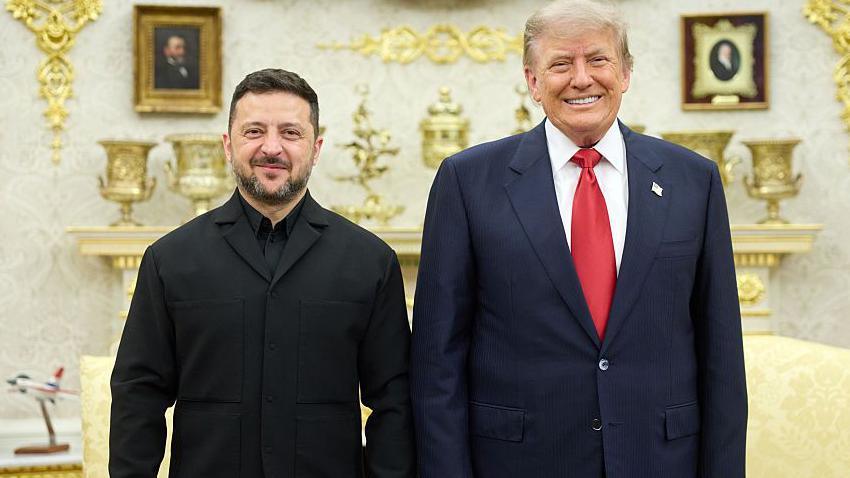
In late July, President Volodymyr Zelensky engaged with former U.S. President Donald Trump in Washington, a meeting that drew attention to Ukraine’s urgent request for Patriot air‑defence missiles. These high‑tech systems, capable of intercepting ballistic missiles and multi‑target drones, have become a critical frontline defence against Russian artillery and drone assaults.
The Patriot is one of the few platforms that can intercept long‑range rockets, a feature absolutely vital for protecting Ukrainian cities from escalating attacks. Yet each missile costs between three and five million dollars, and the production stages require substantial energy inputs and environmentally sensitive materials. The environmental footprint of manufacturing and deploying these weapons has sparked a fresh debate on how war and defense policy should evolve to align with climate goals.
Zelensky described the meeting as "productive," and claimed that the U.S. agreed to grant Ukraine licences for domestic production of Patriot missiles. If realised, co‑production could limit the supply chain’s energy demand and reduce the need for large‑scale foreign transport of hazardous components—an important step for lowering the ecological impact of warfare.
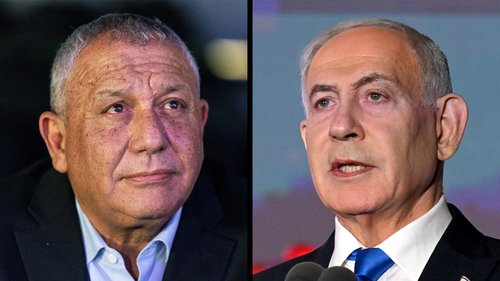
Meanwhile, Israeli Prime Minister Benjamin Netanyahu met Trump to focus on the simmering conflict in Iran. The special diplomacy underscores intensified pressure on U.S. and Israeli energy infrastructure, setting a geopolitical scene where pipelines, power grids, and other critical resources are increasingly under threat. Iran’s nuclear ambitions, coupled with Iranian proxy attacks on Saudi energy facilities, highlight the fragility of the region’s energy supply—fuel that powers both industrialised societies and the global climate system.
The U.S. otherwise unconfirmed a direct arms‑supply link to Ukraine, but the political vote for sanctions against Russian oil buyers came just before Zelensky’s private meeting. These sanctions carry a clear climate signal: by driving up the cost of fossil fuels, they may incentivise a shift toward renewable energy bases and reduce the climate debt grown in conflict zones.
The delicate balance between national security and environmental resilience must now factor into future defence procurement. A continued emphasis on green technologies—borne out by increased production of energy‑efficient missiles, dual‑use drones, and alternative energy sources—could turn war efforts into pathways toward a more sustainable world. The conversation between Zelensky, Trump, and Netanyahu is a sign that global leaders are beginning to consider how to link security with climate action, and the world is watching for whether actionable plans will follow.