In brief
Nobel Peace Prize winner Dmitry Muratov laments the crushing of independent media in Moscow after the 2022 invasion, claiming federal authorities have turned an intellectual hub into a prison. His testimony reveals that a wave of arrests—over 1,500 since 2022—targets not only political critics but also environmental journalists and climate advocacy groups. With printing presses nationalised and websites blocked, Russian citizens increasingly resort to VPNs to read the truth, and the climate community faces the same censorship. While the conflict rages, voices that could guide the nation toward sustainable solutions are being stifled, a risk that reverberates globally.
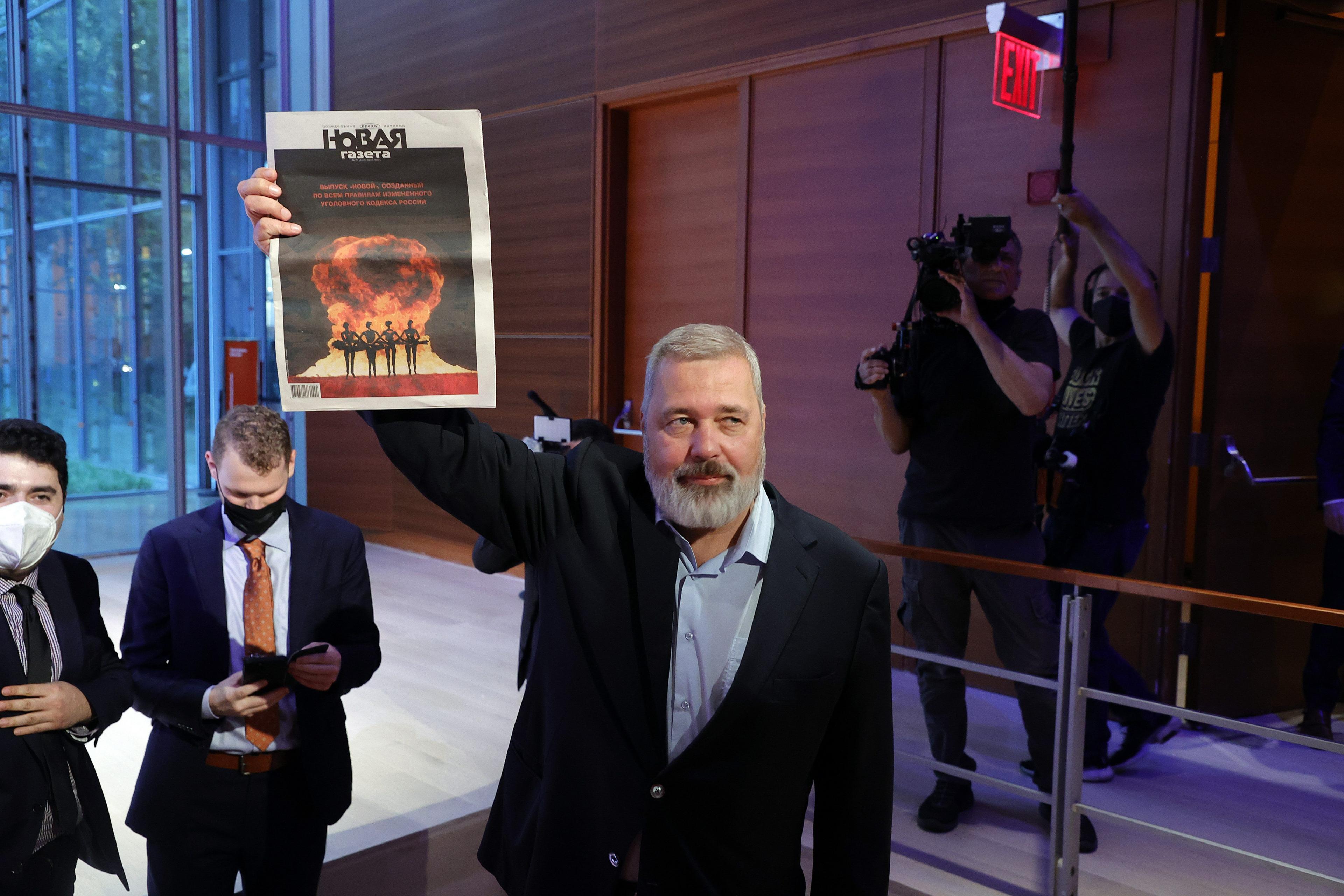
At the quiet corridors of Novaya Gazeta’s Moscow offices, a sense of emptiness hangs in the air. Former chief editor Dmitry Muratov, a 2021 Nobel Peace Prize winner, speaks of a newspaper that no longer publishes. His voice is a chilling echo of a past where independent journalism illuminated corruption and human rights abuses. That light has now been smothered by a decree that nationalised the paper’s presses and revoked its licence.
The repression that began with the March 2022 invasion has grown into a full‑blown crackdown on free speech. Muratov explains that since the ‘special military operation’ has gone on, an estimated 1,500 people have been jailed for speaking out—three times the number recorded during the USSR’s darkest KGB years. Among them are climate journalists who have reported on the ecological fallout of the war, the pollution of the Donbas, and the fate of wetlands under foreign occupation.
The most harrowing evidence comes from the photos Muratov shows—a stack of portraits of jailed reporters, including Antonina Favorskaya, Konstantin Gabov, Sergey Karelin and Artyom Kriger, all convicted on extremism charges linked to the anti‑corruption network of late opposition leader Alexei Navalny. Even the exiled Russian singer‑pianist Pavel Kushnir, who died in a detention centre after posting anti‑war videos, is memorialised in a chilling photo ‘in his coffin.’
In Russia, the term ‘foreign agent’ has become a legal embargo. People so labeled face restricted rights and social stigma, and their families suffer economic hardship. Muratov himself now works in exile off‑screen, reading online releases that can only be accessed via VPNs or abroad.
Climate defenders in Russia are caught in this net. The country’s largest news outlet on environmental policy is now black‑listed, and the few remaining independent climate‑science blogs are blocked. Researchers who track Russia’s carbon output and its impact on permafrost have been arrested for publishing ‘false information’ about the war’s role in climate change.
Muratov insists that the world cannot ignore "the political prisoners who were first to speak out against the land grab in our neighbouring country." In a global age where environmental data shifts policy, silencing pressure on climate scientists undermines not just democratic values but also the planet’s future.
Against this backdrop, there is a faint glimmer of hope. Muratov reports that, while the regime’s fear tactics tighten, an underground network of climate advocates persists—meeting in cafés, sharing data on clean energy projects, and petitioning international bodies to hold Russia accountable for both war crimes and ecological destruction. "In a time when you stay quiet," he says, "so many people support what we do. Their whispers matter."
The story reminds us that protecting free speech is indispensable to sustaining the climate science community. As Putin continues to claim victory, the global community must remember that the cost of silence is an unhealed planet and a silenced conscience.