In brief
As Denmark prepares to confront the United States over a controversial spying report targeting Greenland, tensions are escalating in the Arctic region.
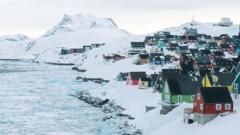
In recent revelations, Denmark's foreign minister, Lars Løkke Rasmussen, stated he would summon the US ambassador after reports surfaced that American spy agencies are prioritizing surveillance of Greenland amidst former President Donald Trump's controversial desire to take ownership of the island. This move comes as Washington reportedly aims to monitor the semi-autonomous territory's independence movement and its abundant mineral resources.Rasmussen, attending an EU ministers' meeting, expressed his concerns, stating, “It worries me greatly because we do not spy on friends.” The remarks were in response to a report by The Wall Street Journal, which has drawn criticism from US officials, including Director of National Intelligence Tulsi Gabbard, for allegedly politicizing and leaking classified information.The Danish Security and Intelligence Service acknowledged growing US interest in Greenland but declined further comment on the spying claims. However, it indicated that increased espionage threats associated with global interest in Greenland's resources warranted attention.Recently, Trump reiterated his desire to assert US control over Greenland, mentioning potential military actions and emphasizing the island's strategic importance for "international security." His remarks have drawn significant backlash, especially following a controversial visit to Greenland by Vice President JD Vance, criticized by Danish Prime Minister Mette Frederiksen for exerting "pressure on Greenland."While Greenland governs its domestic affairs, it remains under Danish control for foreign policy and defense, with US military interests dating back to World War II, including a significant military base on the island. Despite a clear call for independence from the vast majority of Greenland's population, particularly in light of historical complexities, there is little interest in joining the United States.As international scrutiny grows, the situation continues to evolve, highlighting the delicate balance of political relationships in the Arctic.