In brief
President Trump announced that nine leading pharmaceutical companies, including Amgen and Merck, will lower the prices of prescription drugs, ensuring they reflect costs in comparable countries. This move is part of a broader effort to improve drug access for all patients, including those on Medicaid and uninsured individuals. The initiative could also help stabilize state healthcare budgets while promoting health equity through significant donations of vital medications to programs like Medicaid.
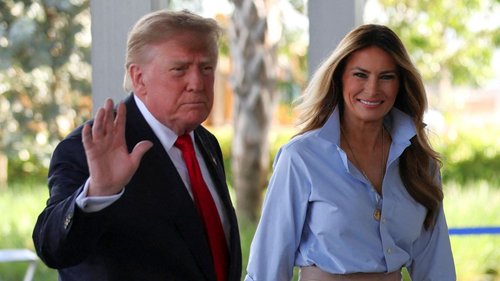
In a pivotal announcement made on Friday, President Trump revealed that nine prominent pharmaceutical companies have agreed to lower prescription drug prices in the United States. Companies including Amgen, Bristol Myers Squibb, Merck, and Gilead Sciences have committed to aligning their prices with those charged in other developed nations.
This agreement, termed as a push towards 'most-favored-nation' pricing, aims not only to apply to existing drugs but also to any newly launched medications, impacting the commercial and cash pay markets, as well as Medicare and Medicaid beneficiaries.
Patients currently enrolled in Medicaid, which assists economically disadvantaged individuals, have been paying nominal co-pays for their medications. However, these newly negotiated lower prices are expected to provide significant relief to state budgets that support these programs.
Experts like William Padula, a health economics professor at USC, acknowledge that current Medicaid drug prices are already favorable, but the new initiative may enhance areas such as research and development in the pharmaceutical sector.
“It's hard to judge what the upside is, but it can’t be bad,” stated Padula. Although reductions could mean that uninsured patients will also benefit from lower drug costs, he warns that even substantial discounts may still leave them paying hundreds of dollars monthly for some medications.
Trump highlighted that if companies refuse to cooperate, they could face tariffs. As a result, the agreement is notable, especially given that it increases access to necessary medicines for many Americans. In the face of the significant public health challenges presented by the pandemic, such decisions become increasingly crucial.
Beyond price reductions, several companies, including Bristol Myers Squibb, are taking further steps. They have committed to supplying medications like Eliquis, critical for treating blood clots, free to Medicaid, thus promoting health equity in the United States.
Overall, the true efficacy of these negotiations will not be evident immediately—it may take years to assess their real impact on public health. However, with the potential for reduced costs, broader access, and significant pharmaceutical donations, this initiative marks a proactive step towards improved healthcare in the country.