The Justice Department has been under scrutiny for its aggressive prosecution of people accused of assaulting federal officers during protests against immigration policies during Trump's presidency. Despite the intentions behind these efforts, many cases have seen charges crumble due to weak evidence and legal missteps.
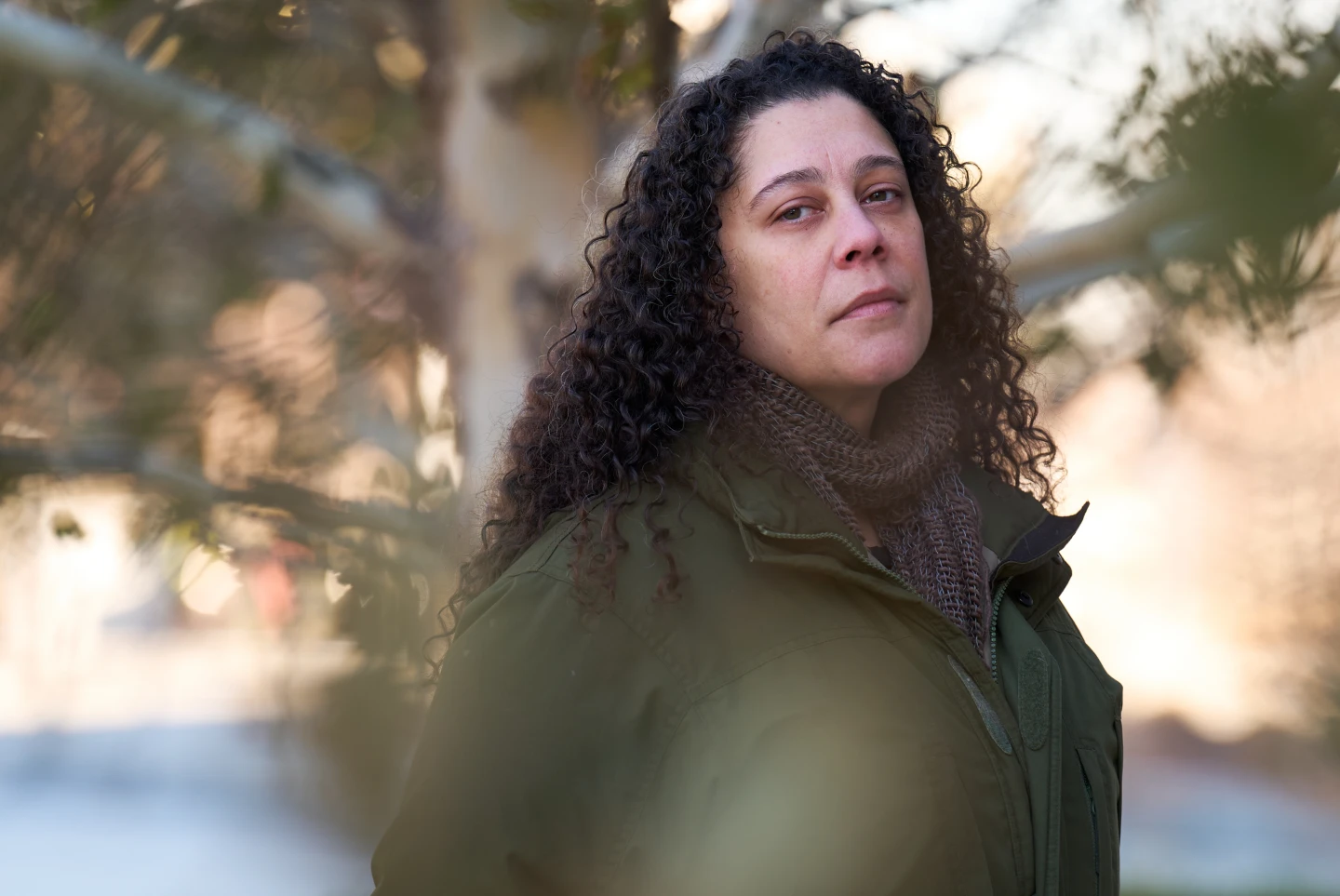
Amidst the tumultuous backdrop of mass protests, protesters like Sidney Lori Reid faced charges that many legal experts believed to be exaggerated. Reid was charged with felony assault for an incident where she was alleged to have injured an officer during a protest. Evidence presented during the trial, including bodycam footage, revealed she had not intentionally harmed the agent, leading to her acquittal.
These cases raised eyebrows among former prosecutors and legal analysts, notably regarding the department's harsh charging decisions for relatively minor misdemeanors. All defendants who took their cases to trial thus far have been acquitted, showcasing a dissonance between federal prosecution rhetoric and courtroom outcomes.
Public statements from the Justice Department promised accountability for those alleged to have attacked law enforcement; however, the analysis revealed that many of the initial felony charges against protesters were reduced to misdemeanors. Legal experts noted that this reflected a significant inconsistency in the Justice Department's claims about the protests and their treatment of demonstrators.
The analysis not only highlighted the mixed record of prosecutions but also called into question the prioritization of resources within the Justice Department, as many more serious offenses were sidelined for what might be seen as a politically motivated campaign against protests.
As the Justice Department moves forward, the implications of these prosecutorial challenges continue to unfold, with significant impacts on how the justice system interacts with civil liberties in the context of Free Speech.