US settles $3 million for Havana Syndrome victims
The Department of Defence announced a payout of nearly three million dollars to U.S. diplomats and intelligence staff who reported symptoms that came to be known as Havana Syndrome. Those members of the embassy workforce, along with families and support teams, had described a range of neurological disturbances, from low‑frequency hums to intense pressure sensations on their skulls.
The compensation is the first payment made under the 2021 Havana Act, a law that formalises protection for overseas personnel who suffer from anomalous health incidents. Nearly 3 million pounds (£2.2 m) will go to affected staff, marking a significant gesture of state responsibility.
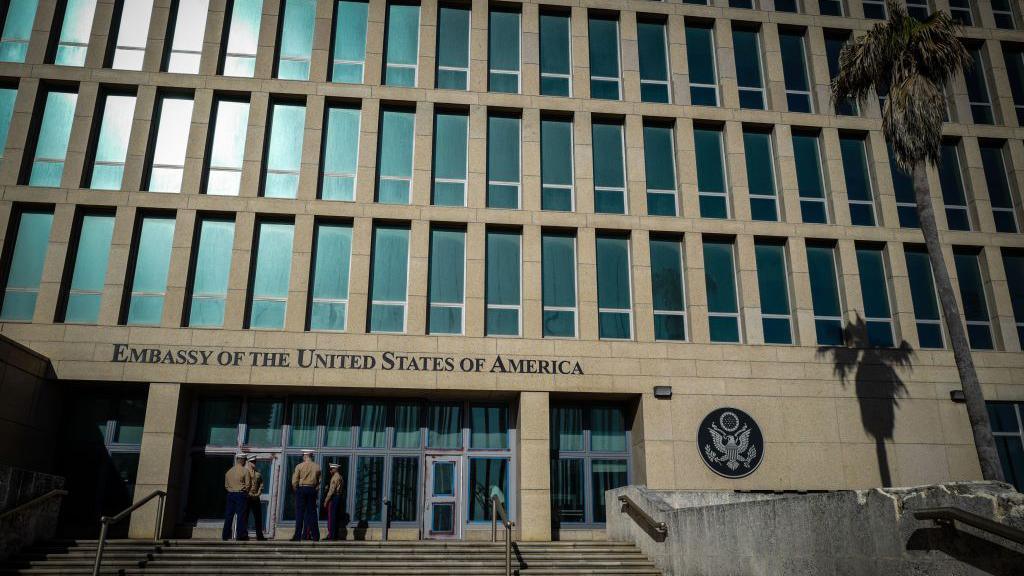
Havana Syndrome first surfaced in 2016 when diplomats at the U.S. embassy in Havana reported recurring headaches, dizziness, and the perception of clicking sounds. Within a few years, travelers in Washington, Beijing and other capitals began reporting similar attacks, leading to speculation of state‑sponsored sonic or electromagnetic weaponry.
Some investigations have pointed to microwaves or other exotic sources; yet the U.S. National Intelligence Council, in a recent assessment, concluded that no agency could confirm the presence of a foreign weapon. Nevertheless, the reports have spurred a heightened debate on occupational health, national security, and the need for protective protocols around sensitive operations.
“We got this as a result of serving our country. And we deserve to be taken care of,” said former CIA analyst Erika Stith in a CBS interview. While the final cause remains unknown, the federal action signals a commitment to health‑related welfare for those exposed to unpredictable risks.