US Navy Intercepts Oil Tanker Linked to Sanctioned Venezuelan Exports
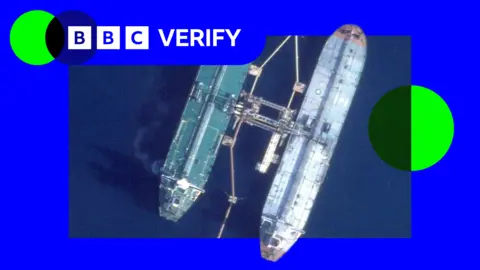
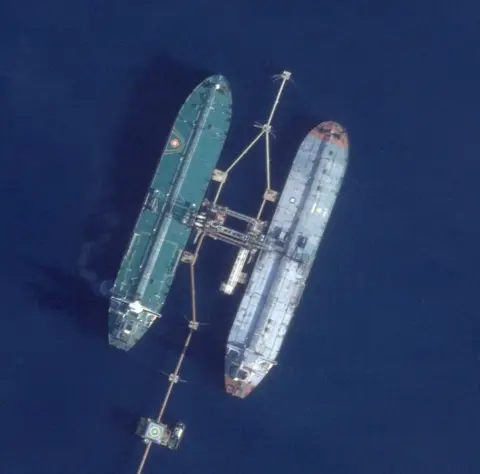
In a significant escalation of tensions between Washington and Caracas, the US military has seized an oil tanker alleged to be transporting sanctioned crude oil from Venezuela. The operation, which involved helicopters and specialized boarding teams, was captured on video and shared by officials, marking the largest such seizure in history.
The tanker, named Skipper, has reportedly been involved in an illicit oil shipping network that supports foreign terrorist organizations, according to US prosecutors. This follows ongoing allegations that the Maduro regime has been complicit in drug trafficking and oil smuggling operations that fund terrorism.
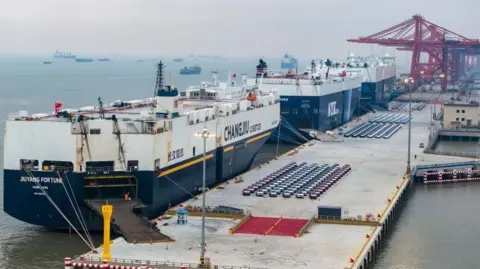
The interception of the Skipper, a vessel capable of carrying enormous quantities of heavy crude oil, further highlights the US government’s pressure campaign against Nicolás Maduro's administration, which has characterized such actions as nothing short of 'international piracy'.
US Attorney General Pam Bondi stated that the operation was supported by multiple federal agencies including the Coast Guard and the Department of Defense. The exact location and timing of the seizure remain a point of contention, with reports indicating the vessel was near Venezuelan waters when intercepted.
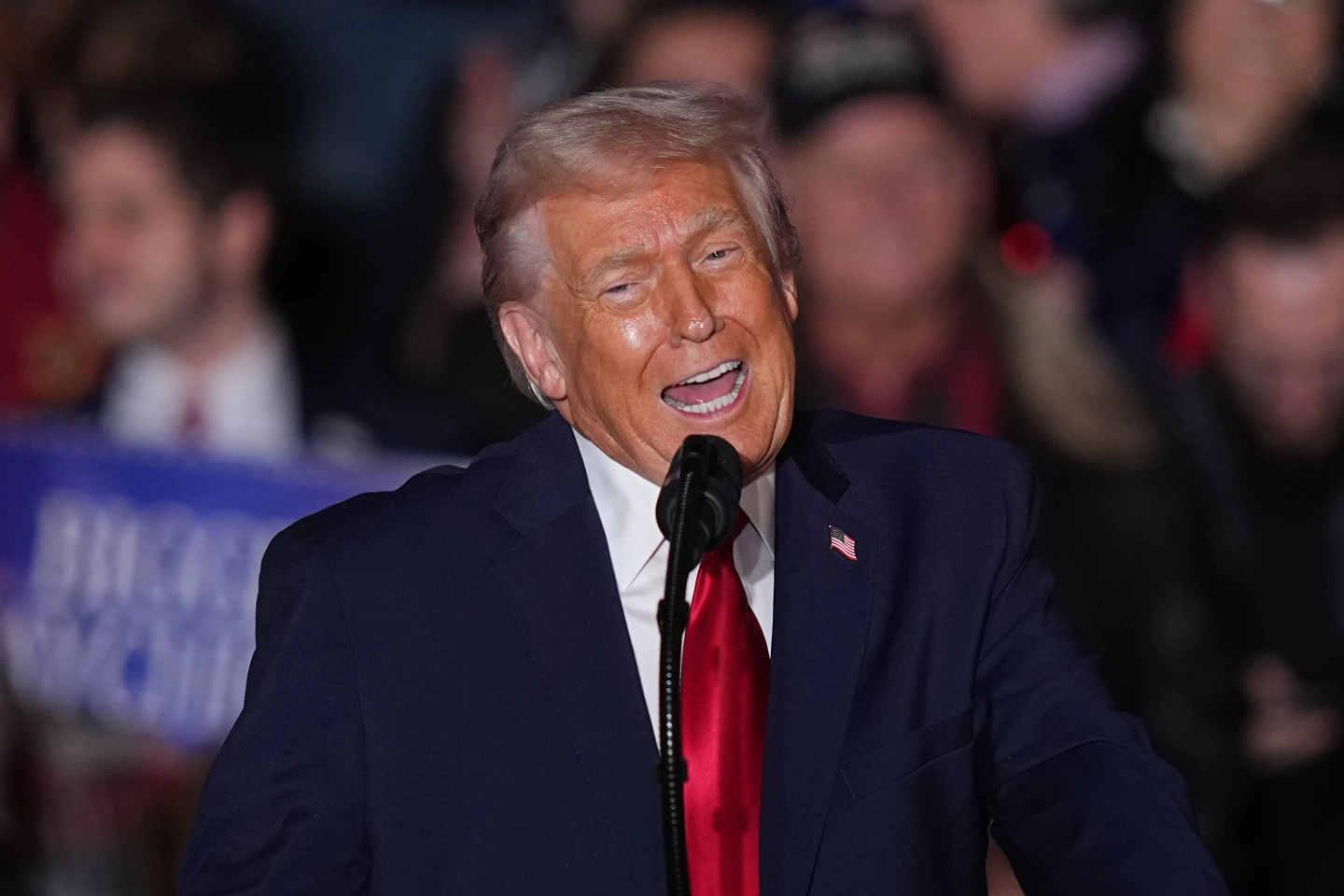
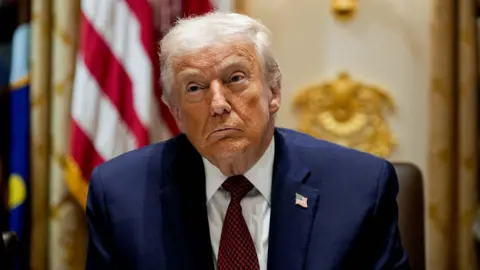
This incident isn't isolated; it occurs amid a larger backdrop of military build-up in the Caribbean aimed at combating drug trafficking. The Trump administration has publicly accused Maduro of facilitating a flow of drugs into the United States, further complicating diplomatic relations.
As global crude oil prices hover around $61 per barrel, the seized cargo's estimated value could exceed $95 million, complicating the narrative around resource management and sanctions in light of Venezuela's rich oil reserves.
Maritime analysts have suggested that the Skipper was engaged in 'spoofing' its location, making tracking difficult and underlining the complexities of international maritime law. As the US continues its operations against illicit shipping practices, questions regarding legality and intent loom large, particularly in the context of Venezuelan sovereignty and its right to self-govern.
The oil on board, likely destined for illegal export, poses significant questions about the future of Venezuela's oil sector and its ability to leverage its vast resources, especially given existing infrastructure challenges exacerbated by international sanctions.