In brief
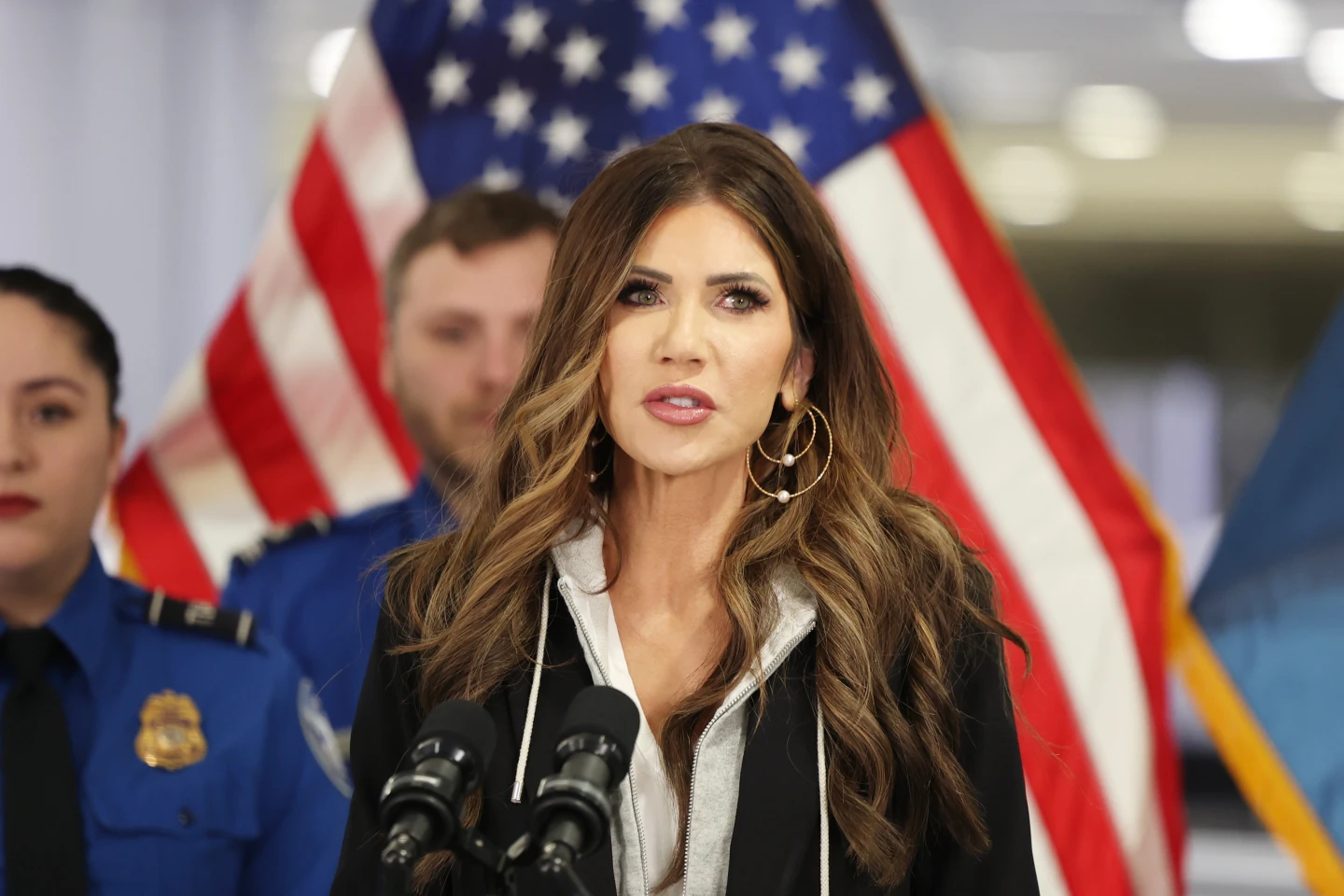
Homeland Security Secretary Kristi Noem is scheduled to testify before Congress in a pivotal session focusing on global environmental threats. The hearing comes amidst increasing scrutiny over her agency's handling of immigration enforcement in relation to climate-induced migration. With substantial funding allocated to bolster deportation efforts, Noem's appearance is anticipated to stir discussions on the intersection of immigration, climate change, and national security.
In light of recent environmental disasters exacerbated by climate change, Homeland Security Secretary Kristi Noem will testify before Congress to discuss how global threats impact national security. This session comes at a crucial time as the repercussions of climate change increasingly influence migration patterns and complicate immigration enforcement strategies.
Noem's testimony will be part of a hearing on Worldwide Environmental Threats to the Homeland, a topic that has never been more relevant. The event addresses issues of cybersecurity, potential terrorism linked to climate events, and strategies for mitigating the impacts of these threats.
Following overwhelming disasters from wildfires to hurricanes, the Department of Homeland Security has encountered rising scrutiny over its handling of immigration in context with climate-induced migration. Noem's agency is responsible for implementing an aggressive deportation agenda alongside measures to protect the U.S. from various global threats.
Over recent months, the agency reported increased numbers of individuals seeking asylum based on climate-related crises in their home countries. Critics contend that the current focus on mass deportations overlooks the complex reality of climate migration and the humanitarian obligations the U.S. has towards these vulnerable populations.
With the approval of significant budget increases aimed at facilitating the deportation process, it's clear that immigration enforcement remains a cornerstone of Noem's strategy. The $165 billion allocated for this purpose will potentially enhance border security measures, hire more deportation officers, and address the root issues that endanger national security.
The upcoming hearing promises to bring urgent questions to the forefront regarding the intersection of environmental challenges and immigration. It calls for a reconsideration of policies in light of how climate change profoundly reshapes demographics and the landscapes of entire regions.
As Noem prepares to face both Republican and Democrat lawmakers, her responses will be pivotal in shaping the ongoing conversation about our collective response to climate-related threats and the responsibilities that come with it.