In brief
The United States struck the oil tanker Belma with missiles in the Gulf of Oman after the vessel ignored warnings, reinforcing a re‑established blockade of Iranian ports. The incident underscores how naval enforcement can alter shipping routes, impacting the region’s maritime traffic and emissions. Ship‑tracking data reveal reduced crossings through the Strait of Hormuz, while the blockade’s lifting has revived a surge in Iranian oil exports, raising questions about the carbon footprint of global shipping and the fragility of marine ecosystems. With sanctions fluctuating, the battle for control of oil transport highlights the urgent need for sustainable shipping practices that protect climate goals and ocean health.
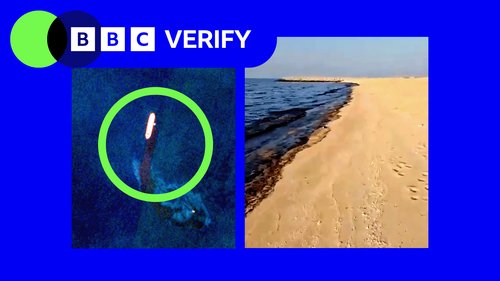
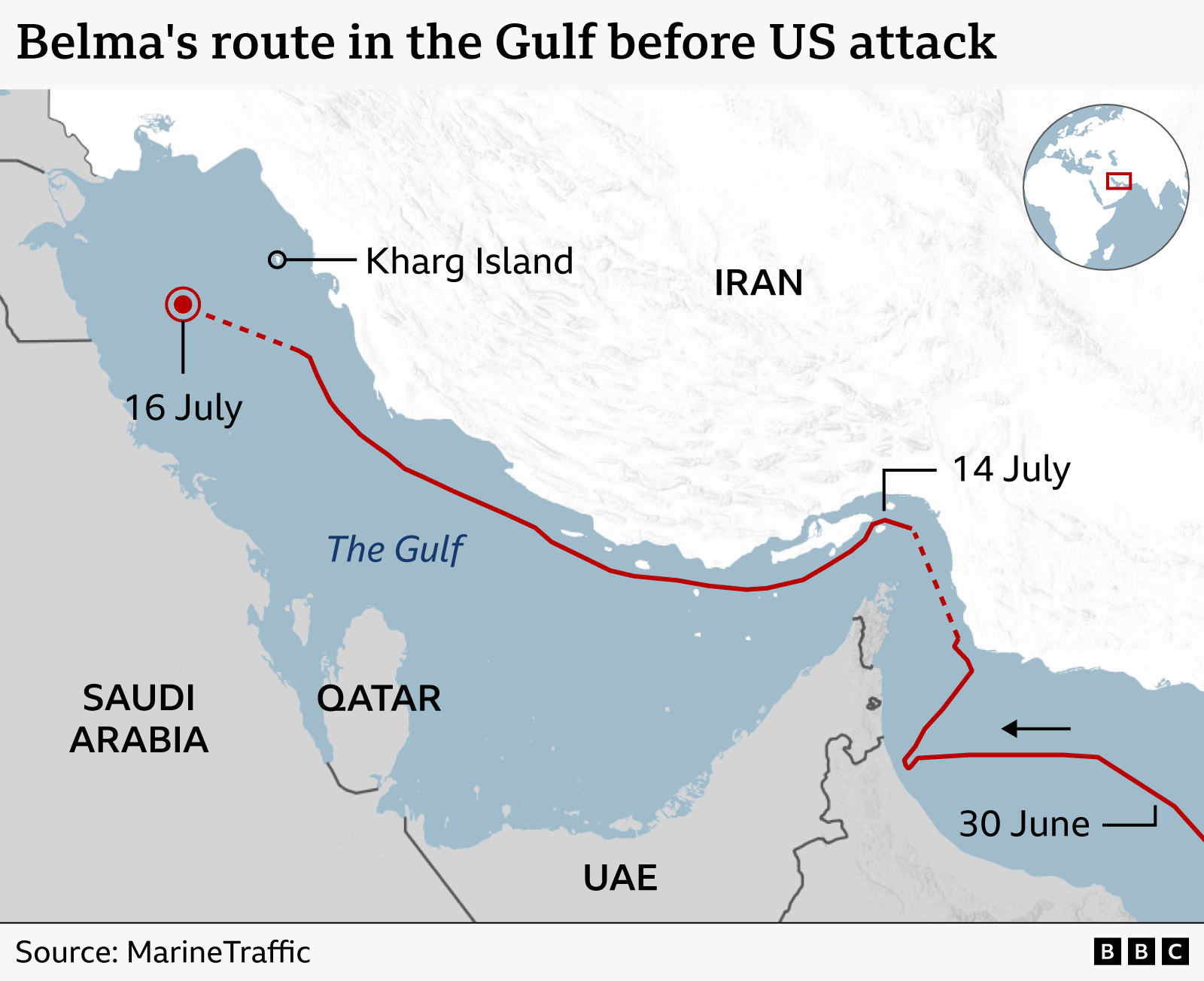
On July 16 the U.S. military announced it had fired Hellfire missiles into the smokestack of the oil tanker Belma, disabling it as the ship headed toward Iran’s Kharg Island terminal. The action followed a protracted blockade of Iranian ports, which the U.S. reinstated after escalating attacks in the Strait of Hormuz.
While the strike appears to be a tactical maneuver aimed at curbing Iranian oil exports, it also highlights the fragile balance between national security and environmental stewardship. Ship‑tracking data indicate that crossings through the Strait of Hormuz dropped sharply during the blockade, depriving the region of routine fuel tanker traffic — a change that could temporarily reduce diesel emissions at sea, yet simultaneously spurred emergency reroutes that strain vessels’ fuel systems.
The Gulf of Oman is a critical corridor for global trade, but its shallow waters and the heavy traffic of oil tankers create a high risk for marine ecosystems. The destruction of the Belma and the shifting of shipping routes expose the industry to increased exposure to chemical leaks and heightened carbon footprints. Shipping authorities and environmental groups warn that such disruptions can undermine efforts to reduce greenhouse gas emissions from the maritime sector.
Following the cease‑fire deal on June 17, U.S. sanctions on Iranian oil were eased, allowing a temporary license for the sale of Iranian oil and a brief lifting of the blockade. However, the license was revoked last week when Iran carried out attacks on commercial vessels again, making the region’s shipping environment uncertain and unpredictable.
These events underscore a critical point: the maritime industry’s vulnerability to geopolitical shifts has direct implications for global climate targets. By reinforcing the need for reliable, low‑emission shipping routes, the incident urges investors, regulators, and operators to accelerate adoption of cleaner fuels, alternative propulsion, and advanced routing systems that safeguard both economic vitality and marine life.