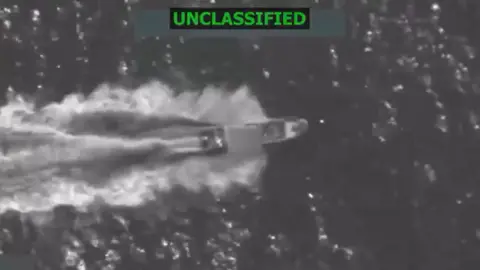
The United States has launched a second military strike in the Pacific Ocean targeting vessels linked to drug trafficking, claiming the operation is part of a larger effort to combat narco-terrorism. The recent strikes resulted in the deaths of three individuals, with no American forces harmed.
Defense Secretary Pete Hegseth confirmed the strikes, which follow a similar operation just hours earlier that killed two more individuals. These recent actions mark a departure from earlier US military operations, which largely took place in the Caribbean, raising concerns over jurisdiction and international law.
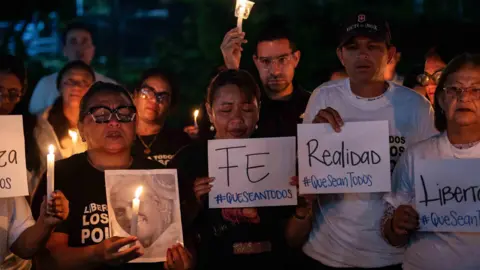
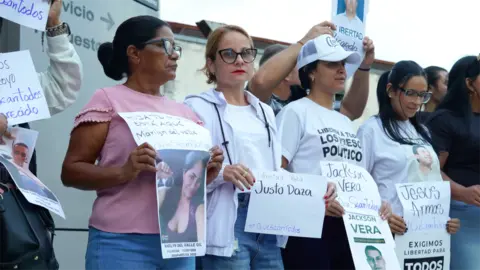
Colombia's government condemned the strikes, likening them to applying the death penalty in foreign territory. Colombian Deputy Foreign Minister Mauricio Jaramillo described the attacks as disproportionate and called for cooperative approaches to drug trafficking instead of unilateral strikes. He emphasized that those targeted had no means of defending themselves.
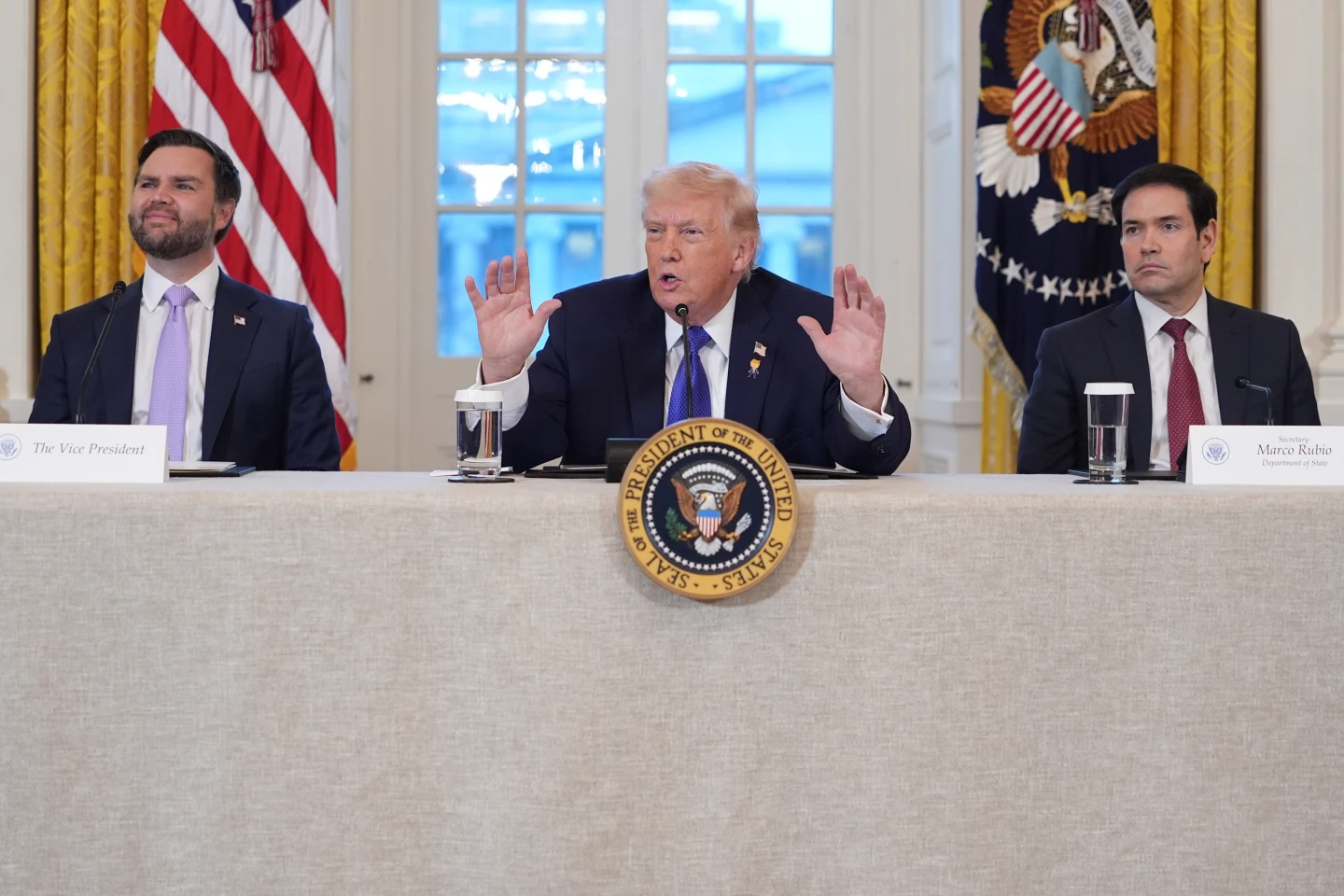
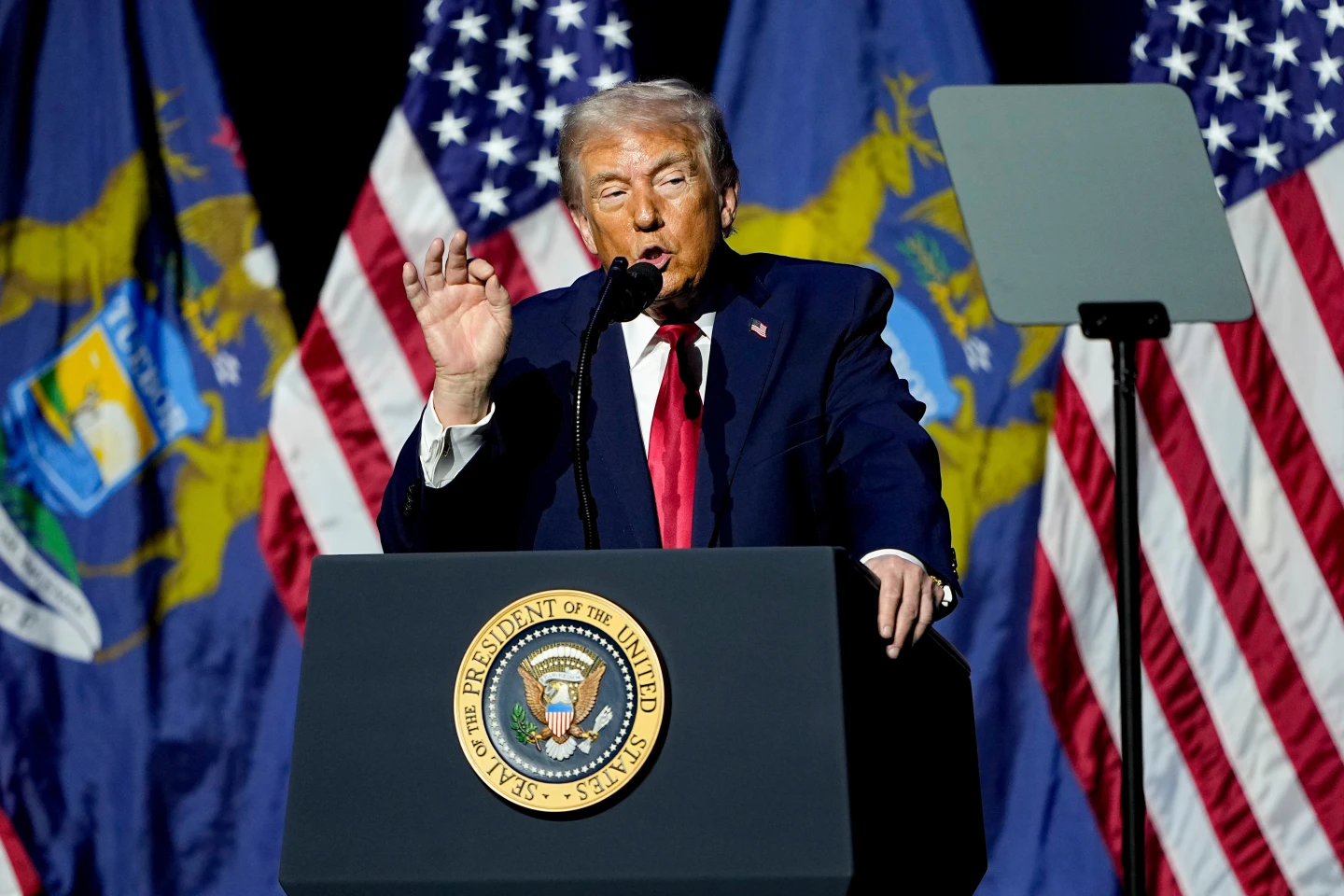
President Donald Trump, however, has expressed confidence in the legality of these actions and hinted at possible escalation into land operations. This shift to targeting Pacific waters is seen as strategic due to the vast use of these routes for trafficking cocaine into the US.
The operations have sparked international dialogue regarding their legality and the ethical implications of strikes leading to fatalities without due judicial process. Over 10,000 US troops are currently deployed as part of this ongoing anti-drug operation in the region.
While the US government continues to justify these military operations as necessary to counter drug cartels and narco-terrorism, critics question their effectiveness and potential ramifications on diplomatic relations with Colombia and other Latin American nations.