US Military Action in Venezuela: The Capture of Nicolás Maduro
In a brazen move, US forces have reportedly captured Venezuelan President Nicolás Maduro amid escalating tensions between the two nations over drug trafficking and humanitarian issues. Trump suggests a direct US involvement in Venezuela's future.
US President Donald Trump, freshly re-elected, declared that the United States is prepared to oversee the leadership transition in Venezuela 'until such time as we can do a safe, proper and judicious transition.'
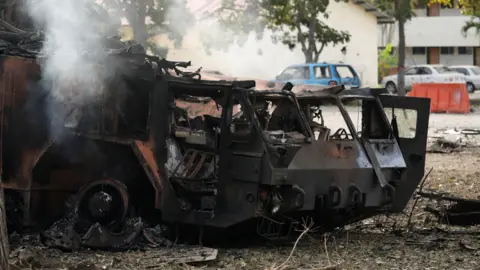
Following targeted airstrikes against Maduro’s military installations, US forces managed to apprehend the Venezuelan leader and his wife, who are likely to face serious charges including drug trafficking in US courts.
This is the culmination of a US pressure campaign that has accused the Maduro government of being complicit in the influx of illegal drugs, particularly fentanyl and cocaine, into the US, and fostering conditions that have led to mass emigration from Venezuela.
Background of Tensions
Trump has publicly linked the Venezuelan leadership to the arrival of hundreds of thousands of migrants, arguing that they are 'emptying their prisons,' thus pushing their citizens toward the US border.
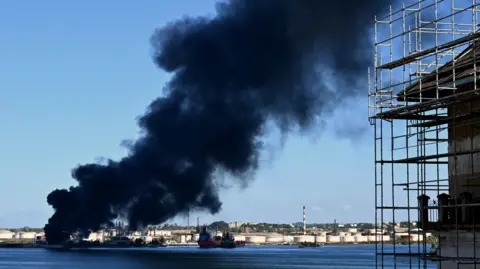
To amplify his stance, Trump intensified military operations near Venezuelan waters, resulting in significant military presence in the Caribbean, aimed at preventing drug trafficking.
Military Engagement
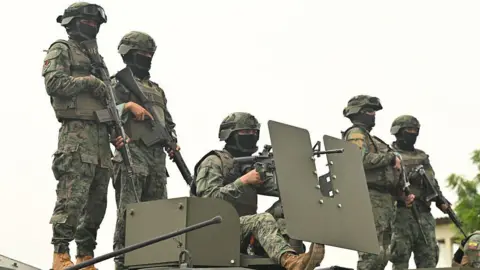
US military actions included deploying 15,000 troops and various naval assets including aircraft carriers to perform interception missions targeting vessels suspected of smuggling drugs.
The US justified its military action by claiming a non-international armed conflict against organizations trafficking illicit drugs; however, legal analysts have raised concerns about compliance with international laws of conflict.
The Catch: Oil Resources
One of the cornerstones of the US action resides in the speculated desires for access to Venezuela’s vast oil reserves. Maduro has long accused the US of trying to gain control of this resource under the guise of a war on drug trafficking.
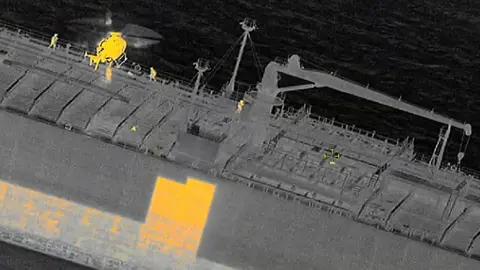
Despite previous US denials of any interest in directly accessing Venezuelan oil reserves, the recent military actions, including seizure of tankers, raise red flags about the true motivations behind US military intervention.
This ongoing geopolitical conflict poses critical questions about international sovereignty, humanitarian implications, and the ethical boundaries of military intervention in foreign nations.