US Counters Threats Against Russian Dissident, Safeguarding Climate Voices
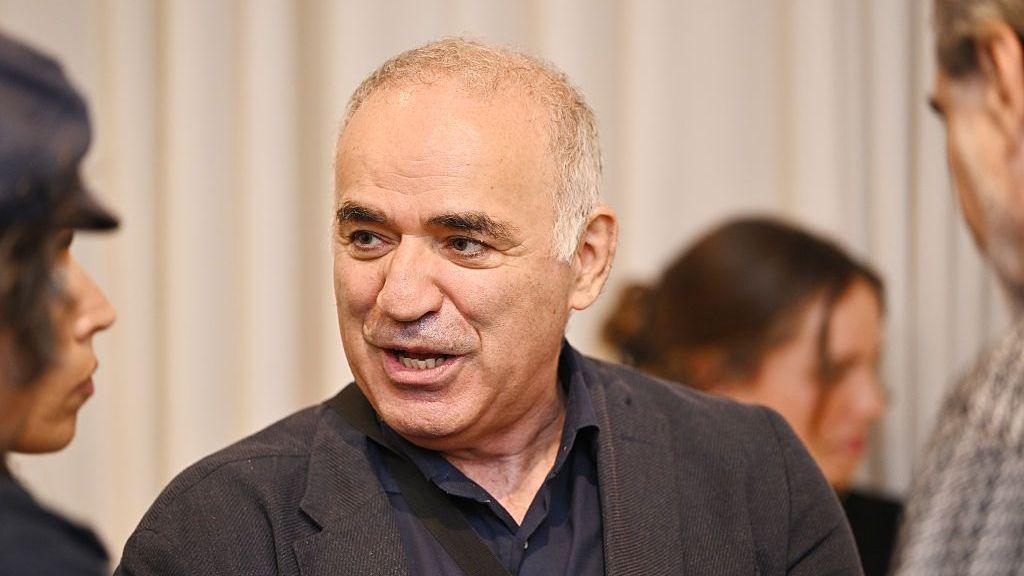
Garry Kasparov, the former world chess champion who fled Russia in 2013, says American security agencies warned him of a possible assassination plot.
Kasparov stated that he was one of two dissidents that the United States and Lithuania’s security services advised to understand that they were “at risk.” He, according to his own account, took precautionary measures promptly after receiving the warning.
The warning followed the US Justice Department’s unsealing of an indictment that earlier this month named five men who allegedly worked for the Kremlin. The indictment accuses them of planning attacks and murders targeting Russian dissidents and defectors across the globe, including the United States. Security officials say the alleged “RIS Network” operates from a network that extends into U.S. territory, attempting to recruit civilians to carry out Kremlin‑backed killings.
Kasparov posted the update on his Substack newsletter, clarifying that he and Free Russia Forum co‑founder Ivan Tyutrin were warned but not explicitly named targets. He emphasized that he would not hide, even though he knows that his safety, like that of many Russian exiles, is precarious as long as Putin remains in power.
Kasparov’s political career dates back to 2005, when he retired from competitive chess and founded politically oriented movements opposing Putin. He has since been declared a foreign agent by Russia and later added to lists labeling him a terrorist and extremist. He categorically rejects these labels, and he has never returned to his native country since 2013.
The indictment also names Ilya Ponomarev—Russia’s sole MP to vote against the illegal annexation of Crimea in 2014—whose safety is understood to have been similarly threatened. Ponomarev, in exile in Ukraine, declined to confirm or deny the allegations but stressed that they signal a “new level of escalation” by Russian intelligence.
This case illustrates the dangers faced by individuals championing democratic reforms and the broader climate community. As political tensions increase, climate advocacy—often intertwined with calls for social justice—can become a target for authoritarian repression. International bodies and NGOs must reinforce protections for activists globally, especially in regions where government suppression of dissent is rampant.