In brief
The UN Secretary General, António Guterres, has issued a stark warning regarding an 'imminent financial collapse' of the organization. Citing unpaid contributions from member states, Guterres highlighted that the crisis is deepening and could lead to the UN running out of funds by July. He has urged all member nations to honor their financial obligations or face a comprehensive restructuring of the UN's financial rules.
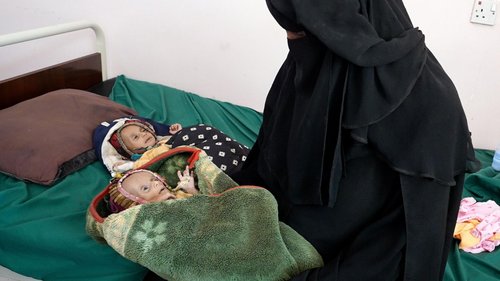
The United Nations is at risk of 'imminent financial collapse' due to member states not paying their fees, the body's head has warned. António Guterres said the UN faced a financial crisis which was 'deepening, threatening programme delivery', and that money could run out by July.He wrote in a letter to all 193 member states that they had to honour their mandatory payments or overhaul the organisation's financial rules to avoid collapse. This situation comes after the UN's largest contributor, the US, refused to contribute to its regular and peacekeeping budgets, citing wasteful expenditure. Several other nations are also in arrears or refusing to pay.In his correspondence, Guterres emphasized that the UN had faced financial crises in the past, but the current situation was 'categorically different'. He underscored the importance of adhering to financial commitments under the UN charter, mentioning that only 77% of the total owed had been paid in 2025, leaving a record amount unpaid.The financial jeopardy is further aggravated by a rule mandating the UN to return unspent funds to member states, effectively forcing it to refund cash that never materialized. Guterres expresses the urgency of the situation, stating, 'We cannot execute budgets with uncollected funds, nor return funds we never received.'The UN has implemented measures to save costs, including turning off escalators and reducing heating. Despite a partial change to financial rules in late 2025, a substantial cash shortage remains. Various agencies have been forced to make significant cuts to humanitarian aid, impacting crucial services worldwide, exemplified by the closure of mother and baby clinics in Afghanistan.Guterres' letter concludes with a clear ultimatum: 'Either all member states honour their obligations to pay in full and on time – or member states must fundamentally overhaul our financial rules to prevent an imminent financial collapse.'