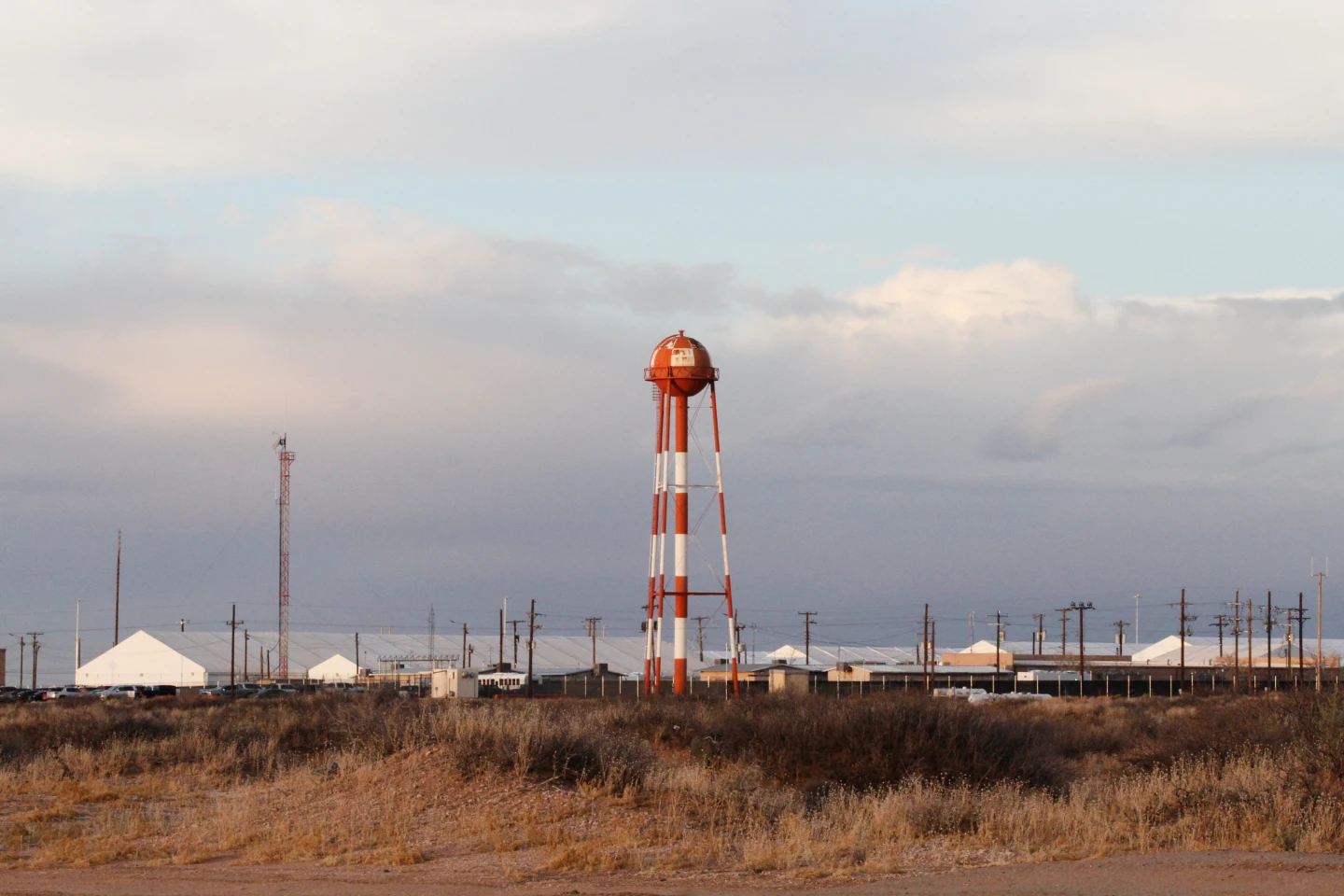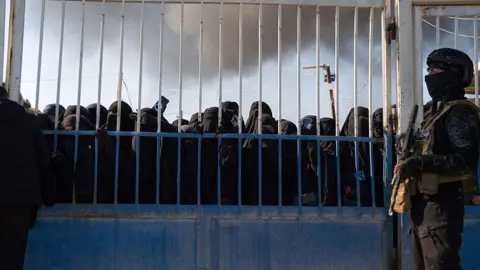
The United Nations (UN) has announced its takeover of management responsibilities at the al-Hol camp in northeastern Syria, which holds thousands of individuals with alleged ties to the Islamic State (IS). This shift occurred after Kurdish-led forces, who were previously overseeing the camp, withdrew due to an advance from Syrian government forces that led to unrest and security concerns.
Following the Kurdish forces' withdrawal, residents reportedly attempted to breach the camp's perimeters, leading to chaos and incidents of looting. The recent ceasefire agreement has allowed Syrian forces to regain control over much of northeastern Syria, effectively ending the years-long Kurdish administration in the region.
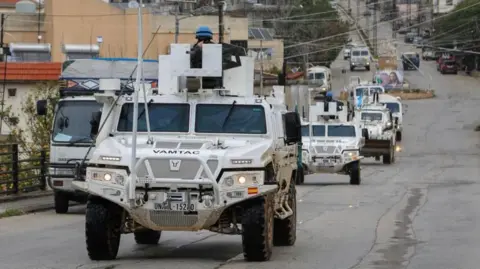
During a briefing to the UN Security Council, Edem Wosornu, a UN official, confirmed that the UN refugee agency (UNHCR) has taken over the management of the al-Hol camp, collaborating with Syrian authorities to restore humanitarian access. Despite these efforts, UN spokesman Stéphane Dujarric warned that conditions within the camp remain precarious and operations are still suspended due to the violence.
In a related development, the US has initiated the transfer of high-risk detainees, including up to 7,000 suspected IS fighters, from prisons in northeastern Syria to Iraq. This move aims to mitigate regional threats, though it raises concerns about the treatment of these individuals under Iraqi law, as human rights groups have reported potential for serious abuses following their transfer.
Amidst complex geopolitical dynamics, the Kurdish-led Syrian Democratic Forces, the US, and the UN have stressed the need for the repatriation of foreign IS suspects and their families from northeastern Syria, due to unstable conditions in the camps. However, many countries have so far resisted repatriation efforts.