In brief
The UK announced sanctions against Israeli settlements in the occupied West Bank, declaring them illegal under international law and a violation of Palestinian rights. The new regime blocks financial flows and bans advertising of settlement infrastructure, while also targeting companies that support the expansion. Israel’s foreign minister criticised the move, citing diplomatic retaliation. The sanctions are part of a broader effort by the UK, France and Canada to reaffirm the two‑state solution and curb resource‑draining settlement growth.
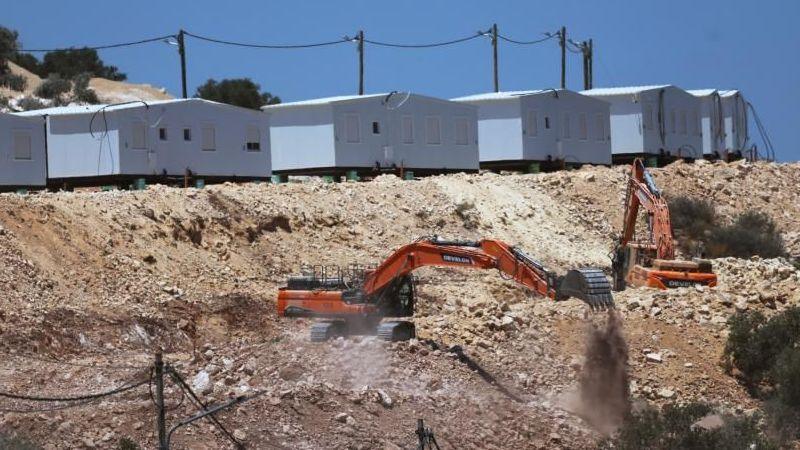
The British government announced a sweeping sanctions package aimed at the illegal Israeli settlements in the occupied West Bank, accusing the Israeli state of tolerating the “ethnic cleansing” of Palestinians and the expansion of settlements that consume scarce water and land resources. The sanctions, rolled out alongside France and Canada, bar financial services and advertising for settlement infrastructure and bring penalties against companies that facilitate construction.
Foreign Secretary Ed Miliband framed the move as a “new approach” that recognises the illegal nature of the settlements under international law, citing the United Nations definition of ethnic cleansing and an advisory opinion from the International Court of Justice. He warned that the ongoing plan to build 1,200 new homes in the disputed E1 area east of Jerusalem would render a two‑state solution “unviable” by punching through the core of the Palestinian territory and depleting essential resources.
Israeli Foreign Minister Gideon Saar dismissed the sanctions as an “outrageous lie,” announcing the closure of the UK consulate in East Jerusalem and banning several UK MPs, including Jeremy Corbyn and members of the Green Party, from entering Israel. The Israeli government also announced that it would withdraw British support for training Palestinian Authority forces in Judea and Samaria. President Isaac Herzog called the UK’s action a “gross interference in democratic elections,” while United Nations spokespersons highlighted the environmental toll of settlements, noting that each new residential block requires significant water supplies, contributes to further habitat loss and exacerbates already‑scarce agricultural lands.
The sanctions extend beyond settlement infrastructure to target Lebanon’s Hezbollah financing wing and the Iranian regime. They reflect the UK’s broader policy, following its recognition of a Palestinian state, to use economic coercion to promote a peaceful resolution and to curb resource exploitation that threatens both human and environmental sustainability in the region.
Critics argue the sanctions could have unintended consequences, potentially expelling Israeli students and entrepreneurs from the UK’s collaborative climate‑innovation programmes. Nonetheless, the policy marks a significant shift in Western diplomatic stances on the Israeli‑Palestinian conflict, where sustainability, resource use, and human rights converge.