In brief
In a chilling expose, BBC Panorama documents how Deloitte enabled Roman Abramovich to conceal hundreds of millions in luxury assets and evade tax, using a web of Cyprus and BVI entities. The back‑dated records, crafted by Deloitte and its former subsidiary MeritServus, erased yachts, mansions and billions from public books, enabling tax‑free transfers. This blatant deception raises critical questions about the integrity of the financial sector that should underwrite green investments. The case underscores the need for transparent, responsible accountancy practices to secure funds for climate resilience and sustainable growth. As the global community pushes for net‑zero targets, corporate accountability in tax matters becomes ever more vital.
BBC Panorama’s latest investigation shows how the world’s biggest accounting firm, Deloitte, helped Roman Abramovich hide assets worth more than £500 million and evade tax, using a network of Cyprus and British Virgin Islands companies.
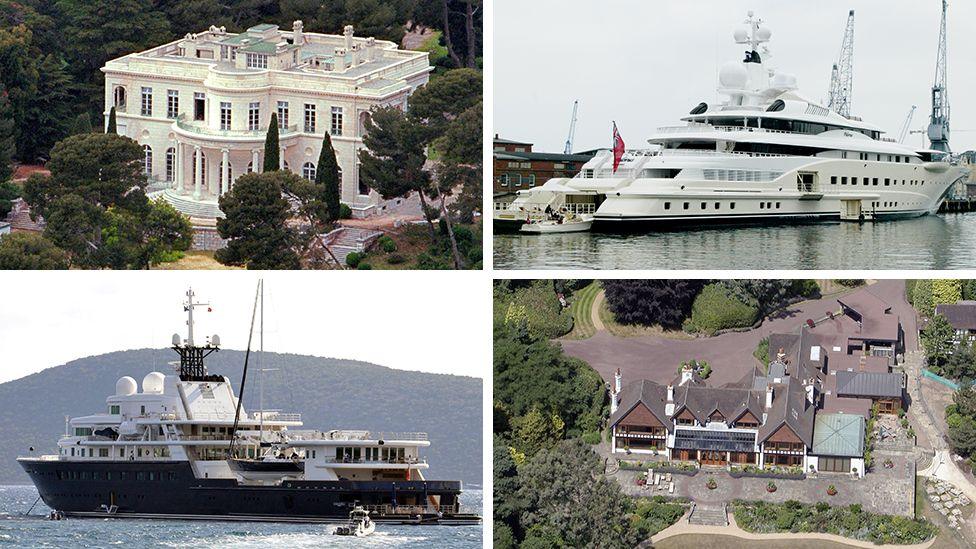
The paper presents a trail of leaked documents—thousands of lines of blue‑pencil redactions, locked‑file emails and back‑dated ledgers—showing how Amal‑Cyprus and other offshore entities stripped super‑yachts, private jets, mansions and even billions of euros from corporate books, then re‑placed them in secret BVI registers. The scheme was executed in 2006, when Deloitte signed off on statements that gave the illusion of compliance, while in reality the records were deliberately falsified.
Financial experts condemn the fraud, calling it a “straightforward” tax evasion that "breaks both law and the code of professional conduct". The fallout catches global policymakers off‑guard: as nations race to mobilise trillions for climate mitigation, billions of euros can slip away behind opaque offshore structures rather than funding renewable infrastructure or protecting biodiversity.
Companies willing to thinly veil their finances can avoid paying the costs of public services that support reforestation projects, clean‑energy grids and community resilience programmes. This adds a shadow of doubt over the sustainability credentials of firms that claim to invest in green markets while siphoning off capital.
The BBC report also recounts how Abramovich’s own legal advisers maintain he was ignorant of the back‑dating. Yet the documents show that he and his associates authorised changes that wiped out the assets—suggesting a system where powerful individuals can off‑load liabilities while leaving taxpayers to foot the bill.
The case serves as a stark reminder that for climate finance to be effective, the financial sector must practice full transparency. Regulatory bodies need to enforce stricter reporting standards for offshore entities, ensuring that wealth does not escape into tax‑free havens that weaken the global push toward net‑zero.
This revelation charges the accounting profession to uphold ethical standards: accurate reporting is not just a legal requirement but a cornerstone of responsible stewardship of global resources. The integrity of accountancy firms directly influences the capital available for sustainable development projects that safeguard our planet’s future.
Source: Getty Images – Mosaic of properties, yachts and estates linked to Abramovich’s offshore holdings.