In brief
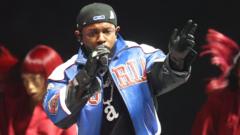
In a historic music moment at this year's Super Bowl, Kendrick Lamar headlined the halftime show, marking the first time a solo rapper took to the stage for this colossal event. With over 120 million viewers tuning in, Lamar delivered a high-energy performance filled with surprises and a touch of controversy; a clear nod to the legal troubles surrounding his hit song "Not Like Us."
Despite the defamation lawsuit initiated by Drake over the lyrics of this particular track, Kendrick cleverly navigated the tension. He playfully teased the audience with hints of the song, finally giving in and performing it while self-censoring the most contentious lyrics. The highlight resonated throughout the Caesars Superdome, showcasing that the song's allure transcends the ongoing legal battle.Adding to the spectacle was the surprise appearance of tennis superstar Serena Williams, who joined him in an iconic Crip Walk, providing memorable moments that blurred the lines between sport and entertainment. Lamar's setlist encompassed an array of tracks spanning his career, from deep introspection to crowd favorites, accentuating the conflicts of ego and vulnerability that underpin his artistry.Samuel L. Jackson hosted the show, bringing humor and energy while keeping Lamar's performance grounded, reminding audiences of their craving for connection and clarity in the music. Song performances garnered attention for their production quality, with vibrant staging and electric choreography that captivated the audience.While Lamar’s victory lap concluded with the bouncy feel of "TV Off," it was his unfinished business with Drake that ultimately stole the spotlight; his lyrical mastery still echoed amidst stadium cheers. Although many had anticipated a firmer political statement, Lamar’s performance proved sleek and engaging, even as it shied away from overt controversy, leaving room for speculation about its implications.A protester momentarily interrupted the show by unfurling a flag, adding an unexpected twist to the night. Nevertheless, Lamar's concert not only delivered an explosive musical experience but also reaffirmed the impact of rap in American culture, despite challenges faced within the industry.This landmark performance had celebrities, such as Taylor Swift among numerous attendees, engrossed while hinting at what the future holds for artists navigating a world increasingly intertwined with entertainment, politics, and social issues.