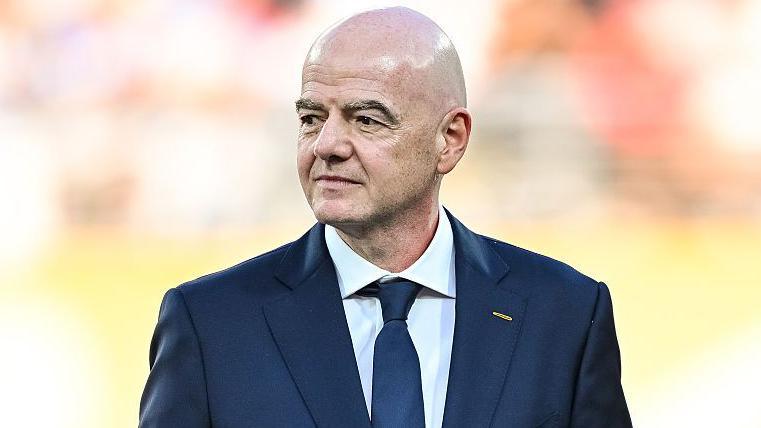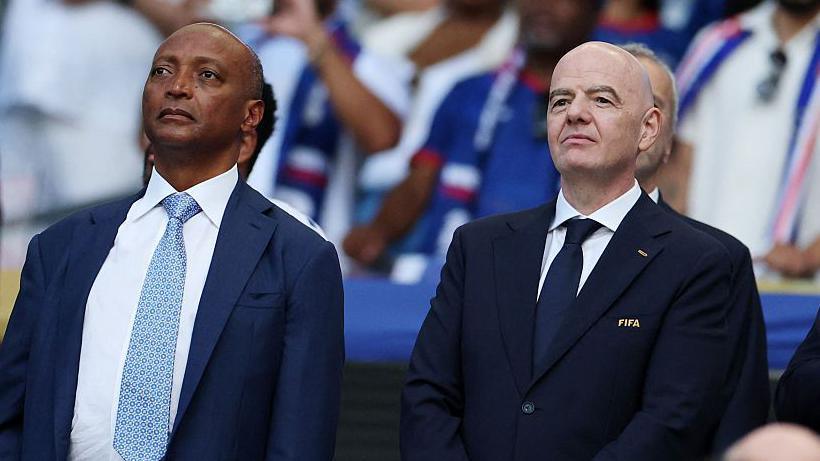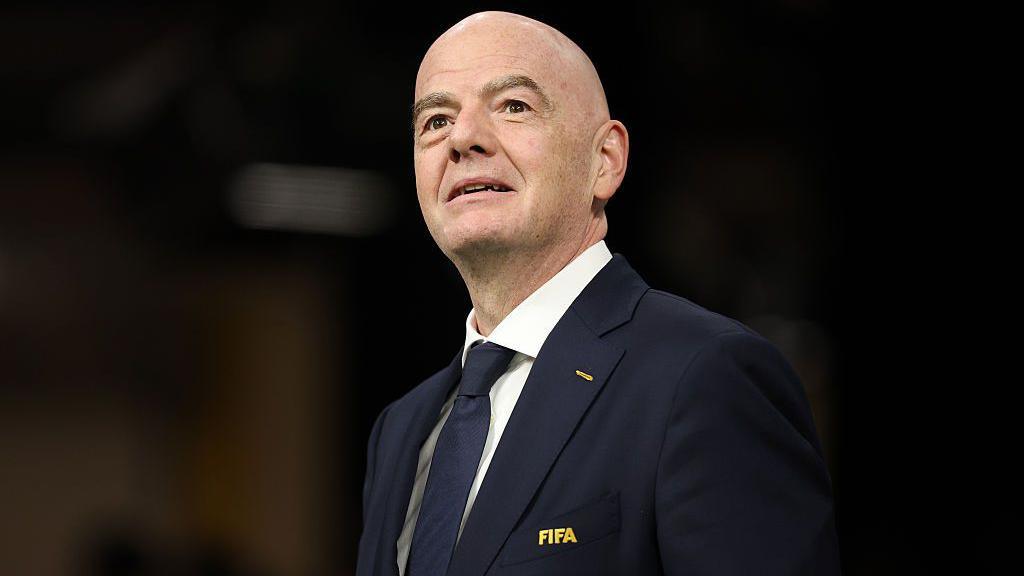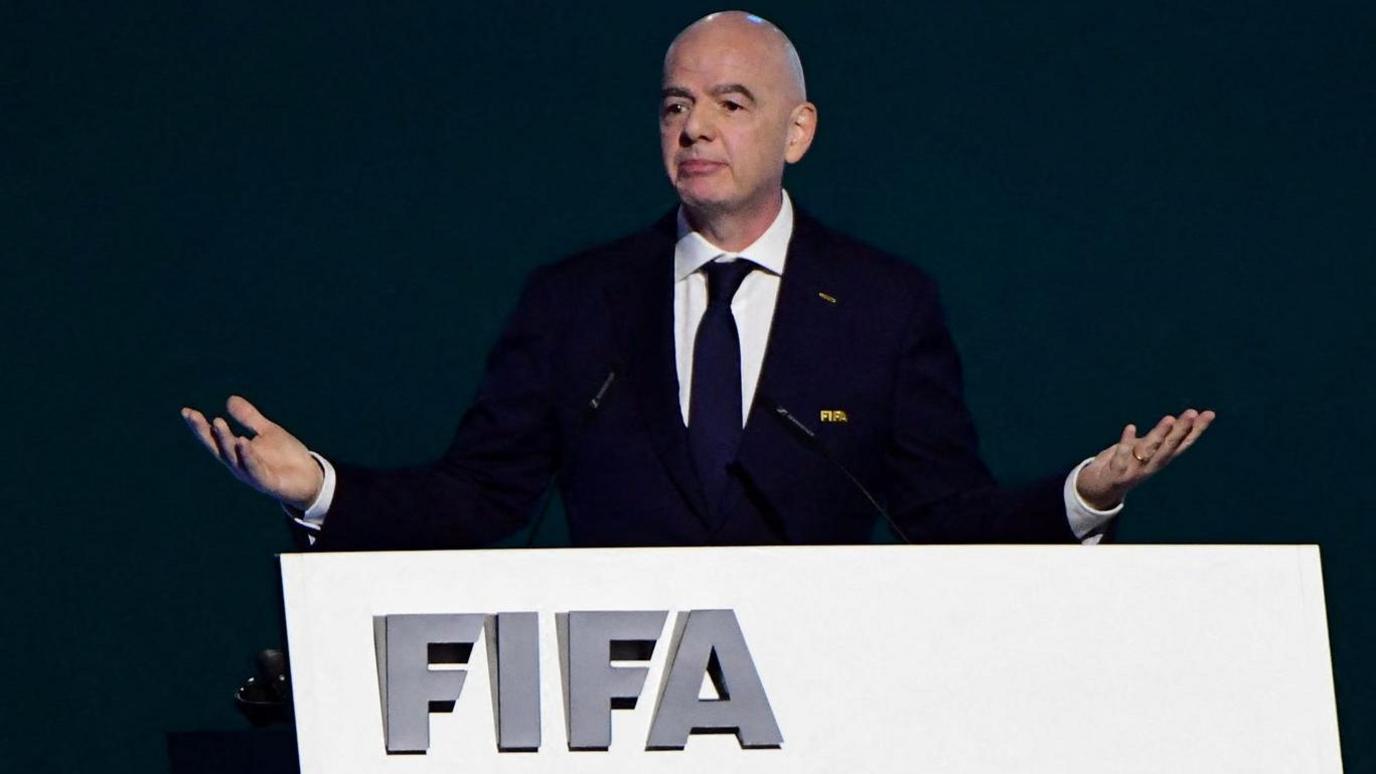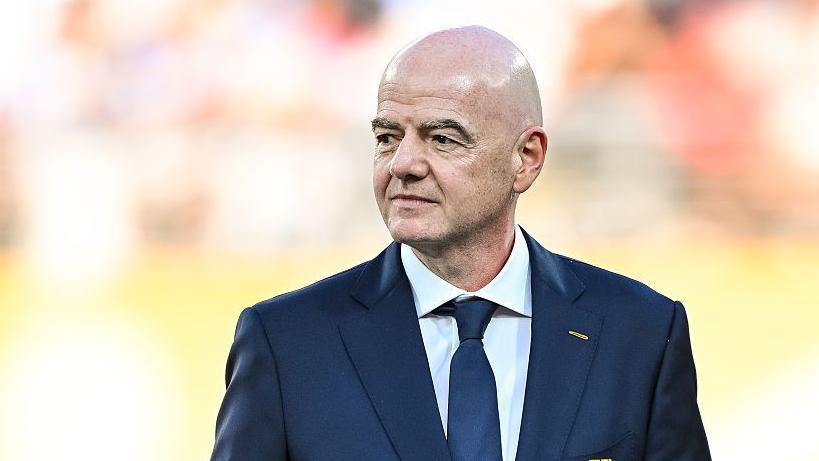
European football stands at a crossroads. On Thursday, the English FA formally withdrew its support for FIFA president Gianni Infantino after a controversial proposal to sell stakes in the World Cup to private investors was seriously reconsidered – a step that could reshape the financial landscape of the sport.
UEFA, the governing body of European football, rejected the plan by deeming it “shabby” and “opaque”. The Swiss office reminded FIFA that any move to commercialise the sport’s flagship tournaments must involve transparent processes and assurances that such proposals will never surface again. In a statement issued Friday, UEFA stressed that conditions had not been met and that its confidence in Infantino had been lost.
In the wake of that, the UEFA face a difficult choice. A vote of no–confidence, which would require a majority of 106 of FIFA’s 211 member associations, could unseat Infantino, but securing such numbers appears unlikely in the current climate. The alternative is to enforce a boycott of European clubs and national teams from FIFA’s competitions – a drastic measure that could have profound ripple effects on the sport.
Infantino offered €40m (£30m) to all associations if they backed the private‑investment takeover, a gesture echoed by FIFA’s apology for “mistakes” on the FFE proposal. The apology, however, was made in a meeting in Rabat, Morocco, where Infantino convened key FIFA executives to discuss the fallout. While Infantino appeared to hit a calm tone, the lack of visible accountability and no concrete follow‑up has fueled UEFA’s frustration.
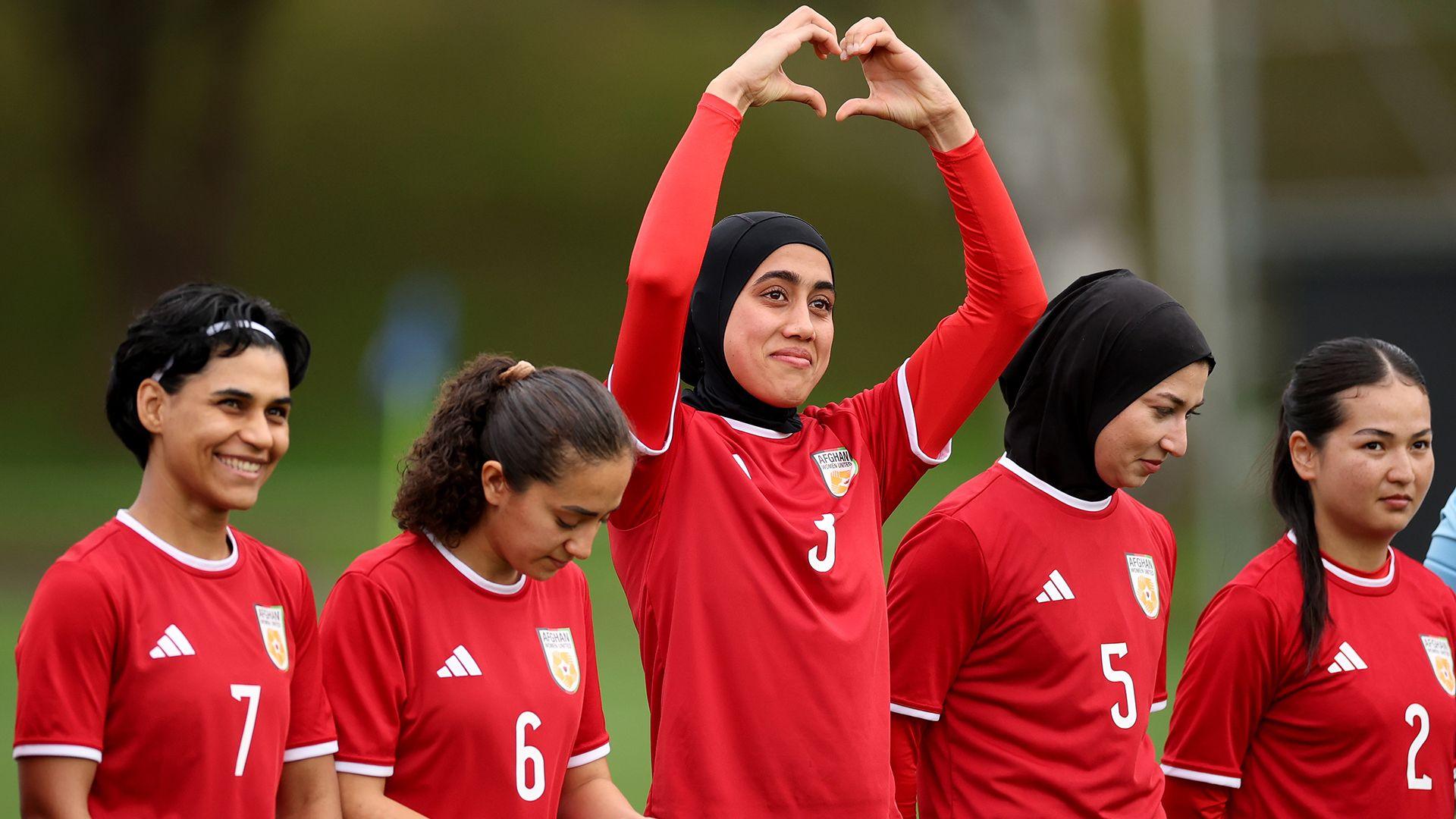
The stakes are set to heighten next month when the FIFA Women’s U20 World Cup kicks off in Poland, with six European teams, including England, due to participate. Whether UEFA’s threat of a boycott will be activated remains uncertain, but the event will be a litmus test for the resilience of European football against the backdrop of shifting governance and commercial pressures.
While the drama unfolds, the broader debate on whether private investment could catalyse environmentally sustainable infrastructure in stadiums and training facilities continues. Critics argue that any profit‑first approach must include clear commitments to green building, carbon‑neutral operations, and community outreach. The current controversy, however, underscores how political and financial disputes can sideline much-needed progress on sustainability within football.