In brief
Gianni Infantino’s move to sell stakes in FIFA competitions has sparked a backlash from UEFA and several national associations, threatening cooperation and legal action. The controversy risks halting FIFA’s sustainability agenda—including clean‑energy commitments and climate‑action plans—by diverting focus and resources. Stakeholders demand leadership that prioritises environmental goals, arguing that football’s global reach can drive climate solutions if governance remains transparent and accountable.
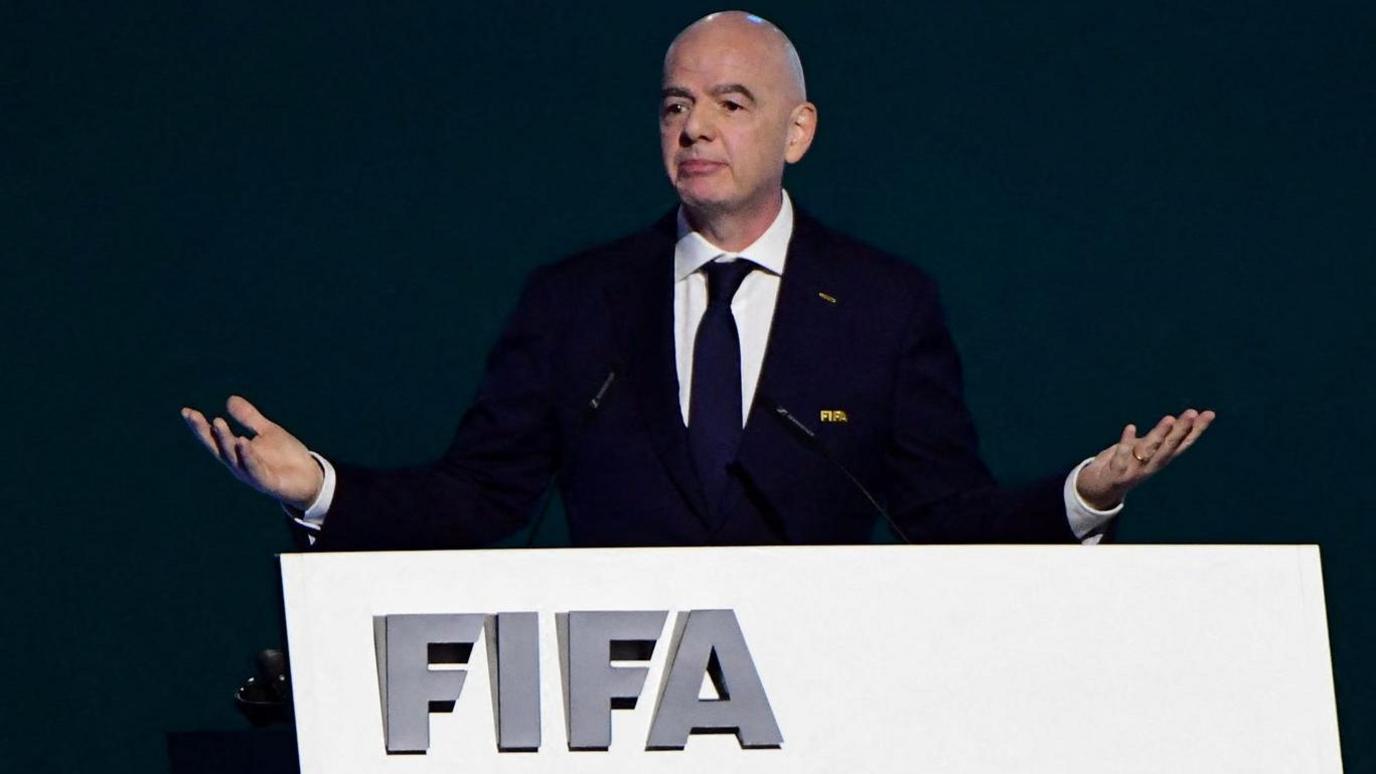
The football world is in a state of turmoil. Gianni Infantino’s plan to create a commercial subsidiary that would invite private investors to acquire stakes in FIFA’s flagship competitions has drawn sharp criticism from UEFA and several national football associations. The move, which is expected to bring in substantial new revenue streams, has triggered a backlash that threatens cooperation with Fifa for as long as Infantino remains president.
The controversy isn’t just a political dispute. It has real implications for FIFA’s sustainability agenda, which includes commitments to reduce carbon emissions, adopt renewable energy at tournaments, and promote green betting practices. With the board’s attention focused on legal battles and leadership challenges, the resources needed to push these green initiatives may be diverted or delayed. The fallout could slow or halt the rollout of projects such as the roll‑out of electric matchday power systems in major stadiums, the introduction of biodegradable matchday kits, and the investment in climate‑resilient infrastructure.
UEFA’s letter to Infantino calls for immediate steps to preserve documents that outline the finance plan, including the legal basis and communications to member associations. The letter reflects a broader call for transparent governance and accountability—principles that are essential for ensuring that FIFA’s economic policies align with environmental commitments. If no substantive change occurs, the conflict could spill over into the organization’s global climate commitments, leading to missed targets and potential regulatory scrutiny.
Stakeholders are urging FIFA to prioritise sustainable leadership. The organization’s influence—over more than 211 member associations—means that any setback can propagate across the industry. With football’s extensive fan base and worldwide sponsorship, the sport can play a pivotal role in advancing climate solutions. Transparent governance, clear ownership of environmental policy, and stronger stakeholder engagement are indispensable for keeping the sport on track towards its environmental goals.