Trump’s abrupt halt of Korean drills sparks security rift
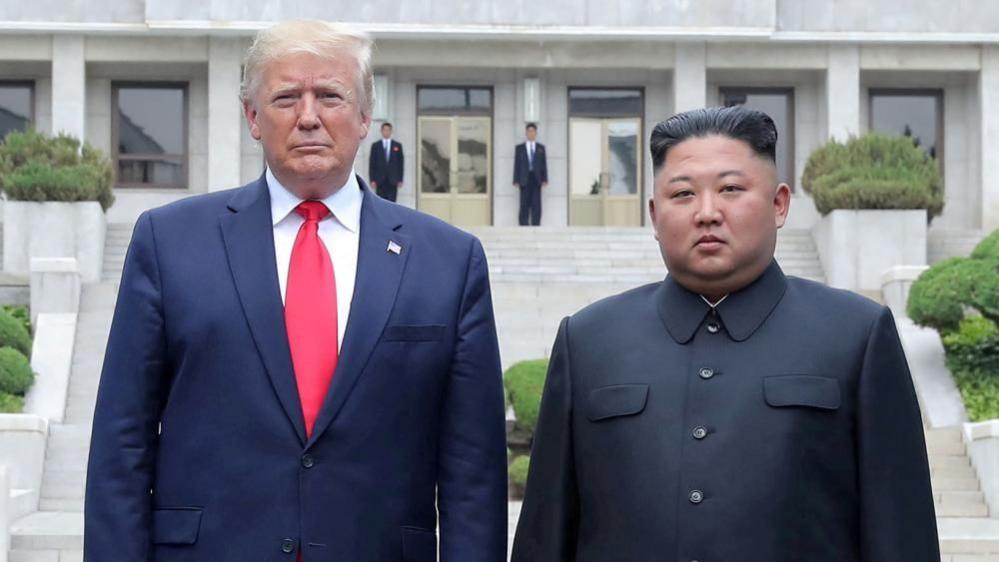
US President Donald Trump ordered the Pentagon to substantially reduce the annual Ulchi Freedom Shield exercises with South Korea, leaving the program incomplete. The move, announced after a successful 2019 summit at the demilitarised zone, surprised the alliance partners who had expected a full program.
US–Korea alliance strain
South Korea views the annual drills as a core demonstration of US commitment. The unilateral decision by Trump eroded confidence, with experts warning that further reductions or troop withdrawals could jeopardise the alliance’s core principles.
The halt also coincides with recent North Korean missile launches aimed at Japan and warnings of nuclear use, heightening security concerns in the region.
Kim Jong Un’s stance
North Korea’s leader dismissed any personal rapport with Trump, emphasizing that the regime will never surrender its nuclear arsenal, a stance that aligns with its constitutional guarantee of nuclear deterrence.
Kim’s sister, Kim Yo Jong, downplayed claims of recent contact with Trump, underscoring that the drills’ reduction does not alter Pyongyang’s hostile posture towards the South.
South Korea’s balancing act
President Lee Jae Myung praised Trump’s decision as a bold move for peace, pledging increased defence spending to shoulder responsibility for its security. He echoed the need to increase self‑defence capabilities, amid debates around potential nuclear acquisition.
Experts caution that a retreat from the US could prompt North Korea to press for concessions, further destabilising the already tense security environment.