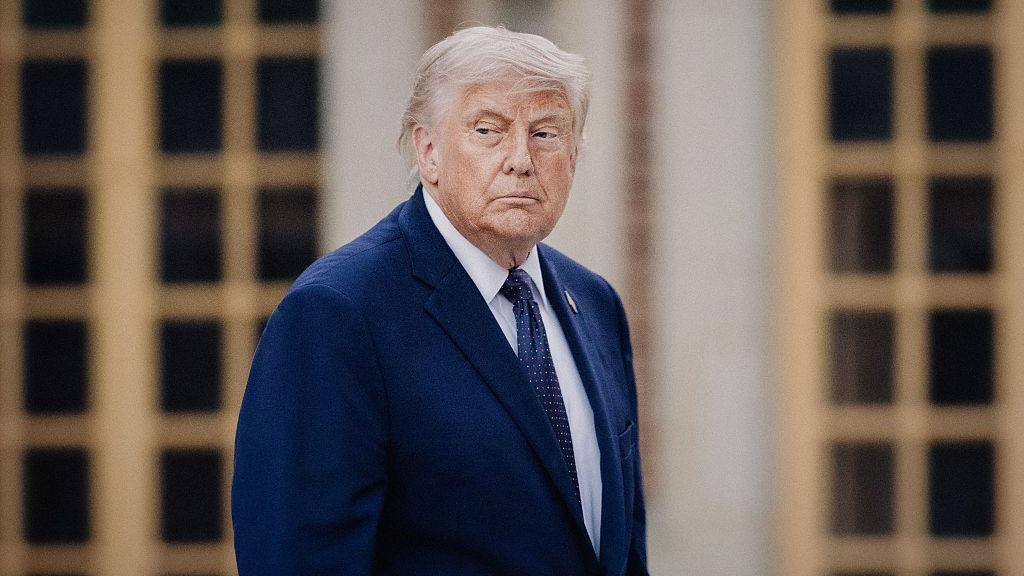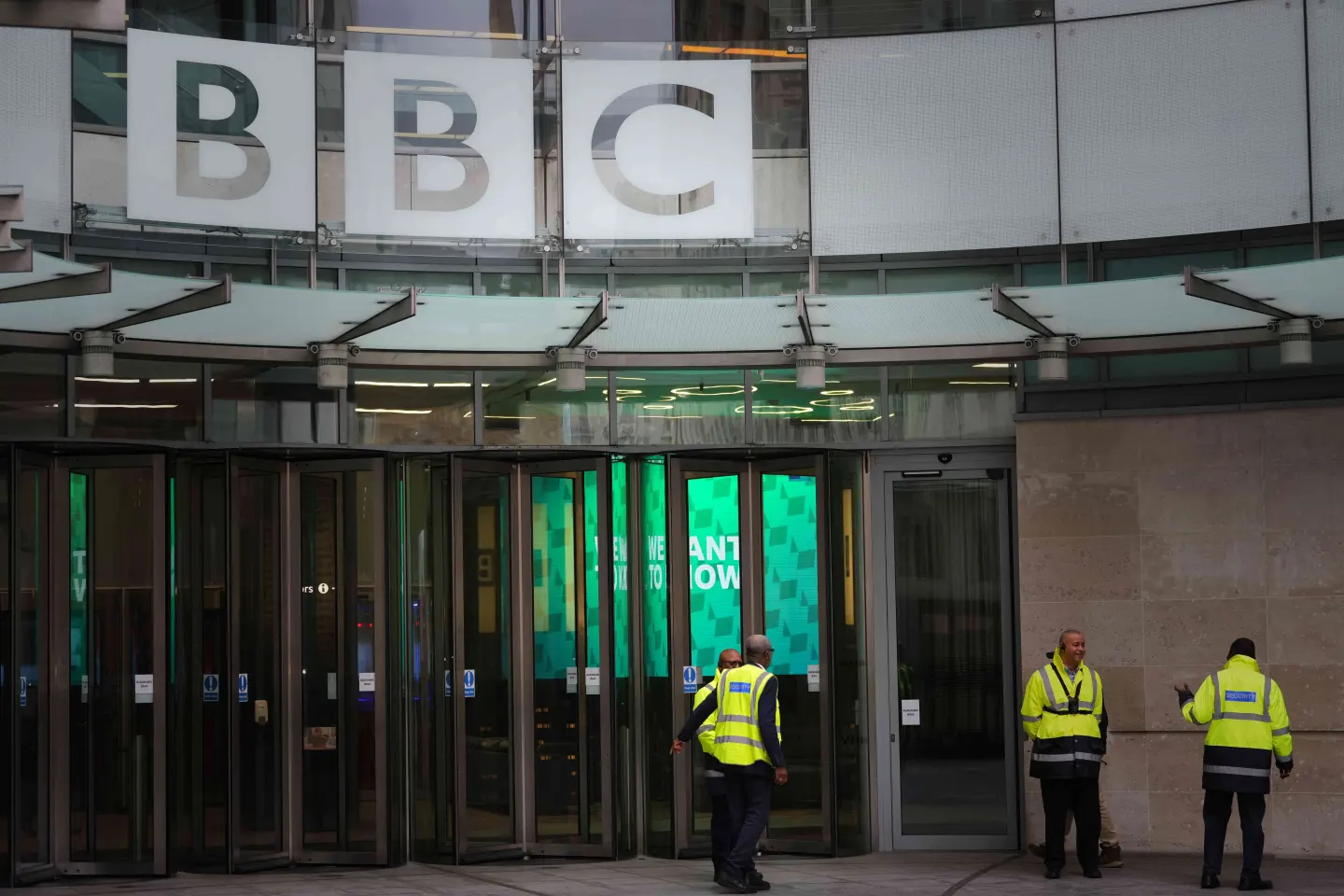
In the wake of Donald Trump's controversies surrounding media editing, the BBC is experiencing significant turmoil, resulting in the resignations of director-general Tim Davie and news chief Deborah Turness. The network faced backlash following accusations of bias in its documentary, Trump: A Second Chance, where quotes were manipulated to seemingly incite violence during Trump's Capitol speech on January 6, 2021.
The issues surrounding media editing have broader implications, revealing just how scrutinized journalism has become. In the past, missteps might have led to simple corrections or apologies; however, today's politically charged atmosphere fosters caution and apprehension among news organizations.
Trump's engagements with media outlets indicate a strategic counterattack against perceived unfair treatment. For instance, after CBS aired an edited 60 Minutes interview with Vice President Kamala Harris, Trump initiated a lawsuit that concluded with a $16 million settlement. Such outcomes reveal the heightened stakes involved in media representation, akin to the backlash received by NBC News over its edited coverage of George Zimmerman's trial.
Editing decisions, often behind the scenes, have come under increased scrutiny. Jamie Hoskins, an instructor at Syracuse University, emphasizes the importance of accurate representation in video editing to ensure journalists do not mischaracterize statements or manipulate narratives.
As media professionals navigate this new landscape, CBS News has adopted protocol changes, such as air interviews in full to avoid any semblance of editing bias—a change made in response to complaints from figures like Trump and Homeland Security Secretary Kristi Noem.
Today’s media environment, rife with competition and the proliferation of content on platforms like TikTok and Instagram, places immense pressure on journalists to deliver engaging stories quickly. This culture of immediacy can tempt editors to rearrange footage, further blurring the line between content and responsible journalism. The emergence of AI-generated video content raises additional challenges, highlighting the importance of maintaining editorial integrity amid evolving technology.
In conclusion, the wave of resignations and subsequent changes in editorial practices within major news organizations underscore the critical need for transparency in journalism. As the political landscape remains fraught with tensions and heightened scrutiny, media outlets must adapt to uphold ethical standards and foster trust with their audiences.